


The Roaring Road
"Speed, salesmanship, and a boss who says no"
Keys: Space play/pause · ←/→ 10s · F fullscreen · M mute · </> speed
About this film
"Toodles" Waldron, racing enthusiast and the best salesman for J. Ward's automobile company, quarrels with his boss; Ward will not let him enter the Santa Monica Grand Prize Road Race, or marry his daughter Dorothy.
Cast & crew
More films like this
More Drama films
View all →







More from James Cruze
View all →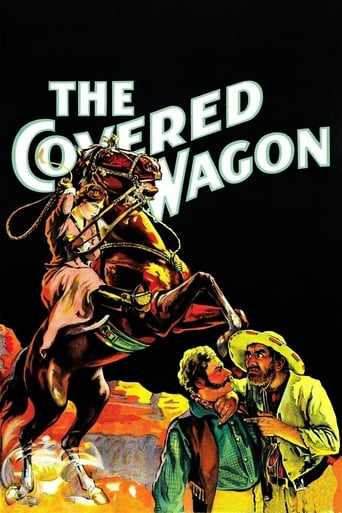
More about this film
About the production
Release dateJune 15, 1919
Box officeHighly successful - one of Paramount's biggest hits of 1919, earning significant profits and leading to an immediate sequel
ProductionParamount Pictures Corporation, Famous Players-Lasky Corporation
Filmed inSanta Monica, California, Paramount Studios, Hollywood, California, Santa Monica Road Race Course
The film was notable for its authentic racing sequences, many of which were filmed during actual road races. Wallace Reid, an accomplished driver in real life, performed many of his own stunts. The production utilized multiple cameras to capture the racing action from various angles, which was innovative for the time. The film was rushed into production following the success of Reid's previous racing-themed films, capitalizing on the public's growing fascination with automobiles.
Themes
Ambition and determinationThe conflict between personal desire and professional obligationThe romance of technology and progressFather-daughter relationships and parental authorityThe American dream of success through individual effort
Themes & topics
automobile racingsalesmanforbidden loveroad racefather-daughter conflictambitionspeedcompetitionromancerebelliondeterminationsuccesstechnologyadventure
Historical background
The Roaring Road appeared in 1919, when the silent era before Hollywood consolidated into a studio system shaped how movies were financed, distributed, and discussed. Audiences of the day encountered the work amid shifting tastes in acting, pacing, and spectacle. Its focus on "toodles" waldron, racing enthusiast and the best salesman for j mirrors themes circulating in popular culture of that moment.
Why this film matters
The Roaring Road (1919) belongs to the wider archive of world cinema, documenting "toodles" waldron, racing enthusiast and the best salesman. Archivists and historians value such titles for what they reveal about craft, genre, and audience expectations. Restorations and festival screenings keep the work visible to viewers far beyond its first run.
Making of
The production of 'The Roaring Road' was marked by its innovative approach to filming racing sequences. Director James Cruze and his cinematographers developed new techniques for capturing high-speed action, including mounting cameras on moving vehicles and using multiple camera positions to create dynamic visual effects. Wallace Reid's personal involvement in the racing scenes went beyond acting - he often consulted on the technical aspects of the automotive sequences and insisted on performing many of his own stunts. The film was shot quickly to capitalize on the racing season, with the crew working around the actual Santa Monica Road Race schedule. The chemistry between Reid and Ann Little was so apparent that the studio paired them in several subsequent films. The production faced challenges in coordinating the filming with real racing events, often having to shoot between heats and during practice sessions.
What critics said
Press coverage from 1919 is fragmentary for many titles of this vintage; surviving notices for The Roaring Road tend to stress novelty, star power, or topical appeal. Later writing places the picture within its national and generic context, weighing both period conventions and moments that still land for modern viewers. Streaming and disc releases have revived discussion among classic-film audiences.
Did you know?
- Wallace Reid was an actual racing driver and automobile enthusiast in real life, which added authenticity to his performance
- The film was so successful that Paramount immediately commissioned a sequel, 'The Speed Maniac' (1919), with the same cast and director
- Many of the racing scenes were filmed during actual Santa Monica road races, with real race cars and drivers participating
- The film helped establish Wallace Reid as one of the biggest male stars of the silent era
- Director James Cruze would later direct the epic Western 'The Covered Wagon' (1923)
- The Santa Monica Road Race depicted in the film was a real event that ran from 1909-1919, attracting thousands of spectators
- The film's success contributed to the popularity of automobile-themed movies in the early 1920s
- Ann Little, who played Dorothy Ward, was a former Mack Sennett bathing beauty before becoming a dramatic actress
- Theodore Roberts, who played J.D. Ward, was one of Paramount's most reliable character actors and often played authority figures
- The film's title became part of the popular lexicon, with 'roaring road' being used to describe exciting automotive adventures
Visual style
The cinematography of The Roaring Road was particularly innovative for its time, especially in the filming of racing sequences. The camera crew employed several groundbreaking techniques to capture the excitement of automobile racing, including mounting cameras on moving vehicles to create dynamic tracking shots. They used multiple camera positions to show races from various perspectives, including shots from inside the cars, alongside the track, and from elevated positions. The cinematographers experimented with panning and following shots to maintain visual continuity during the fast-paced action sequences. The film also made effective use of location shooting at the actual Santa Monica Road Race Course, providing authentic backgrounds that enhanced the realism of the racing scenes. The visual style combined documentary-like authenticity with dramatic composition, creating a sense of immediacy that thrilled audiences of the time.
Innovations
The Roaring Road achieved several technical milestones for 1919 filmmaking. The production pioneered new methods for filming high-speed action, developing camera mounts and techniques that could safely capture racing footage. The film's editing was particularly advanced for its time, using rapid cuts during racing sequences to create tension and excitement. The cinematography team successfully overcame the challenges of filming moving vehicles at high speeds, which required specialized equipment and careful planning. The film also demonstrated effective use of location shooting, taking advantage of the actual Santa Monica Road Race Course to provide authentic settings. The production's ability to coordinate filming with real racing events showed impressive logistical planning and technical coordination.
Music
As a silent film, The Roaring Road was originally presented with live musical accompaniment that varied by theater. Typical screenings featured a pianist or small orchestra playing popular music of the era, with faster-paced pieces during racing scenes and romantic melodies for the love story. Some larger theaters commissioned original scores, while others used compiled music from classical and popular sources. The music was crucial to enhancing the emotional impact of the racing sequences, with composers and performers creating driving rhythms and exciting crescendos to match the on-screen action. No original score recordings exist from the film's initial release, as was common for silent films of this period.
Famous quotes
A man who can sell cars can win races!" - Toodles Waldron
No daughter of mine will marry a racing driver!" - J.D. Ward
The road is calling, and I must answer!" - Toodles Waldron
Speed is in my blood, Dorothy - it's who I am!" - Toodles Waldron
Memorable scenes
- The opening sequence showing Toodles Waldron's exceptional salesmanship at the automobile showroom
- The forbidden romance scene between Toodles and Dorothy in the garden
- The tense confrontation between Toodles and J.D. Ward about the racing prohibition
- The climactic Santa Monica Grand Prize Road Race with multiple cars competing at high speeds
- The victory celebration scene where Toodles wins both the race and Dorothy's hand
What audiences thought
The Roaring Road was a tremendous box office success in 1919, drawing large audiences across the country. Theater owners reported that the film was particularly popular with young men and automobile enthusiasts, though it also attracted a significant female audience due to its romantic subplot. The film's exciting racing sequences created word-of-mouth buzz, and many theaters reported sell-out crowds. Audience reactions were enthusiastic, with contemporary reports describing viewers leaning forward in their seats during the racing scenes and applauding Reid's daring stunts. The film's popularity led to increased demand for more racing movies and helped cement Wallace Reid's status as especially popular stars of the era. The immediate production of a sequel, 'The Speed Maniac,' was a direct response to audience demand for more of Reid's racing adventures.
Film connections
Influenced by
- The growing popularity of automobile racing in America
- Earlier racing films such as 'The Speedway' (1917)
- Wallace Reid's previous successful action films
- The public's fascination with new technology and speed
- Contemporary newspaper and magazine stories about racing heroes
This film influenced
- The Speed Maniac (1919) - direct sequel
- Excuse My Dust (1920) - another Wallace Reid racing film
- The Great Race (1965) - later racing comedy
- Grand Prix (1966) - modern racing epic
- Days of Thunder (1990) - contemporary racing film
Film restoration
The Roaring Road is believed to be preserved in various film archives, though complete prints may be rare. The Library of Congress holds materials related to the film, and the UCLA Film & Television Archive may have prints or fragments. Some sources suggest that the film survives in its entirety, while others indicate that only partial prints exist. The film's popularity and the existence of a sequel suggest that preservation efforts were made, though the quality of surviving prints may vary. Restoration efforts may have been undertaken by film archives, but a fully restored version is not widely available to the public.
Where to watch
- The film is occasionally screened at silent film festivals and special events
- Some archives may offer viewing access to researchers by appointment
- Fragments or clips may be available through film preservation websites
- The film may be included in specialized DVD collections of silent films or Wallace Reid movies
- Check with the Library of Congress or UCLA Film & Television Archive for access to preserved copies