
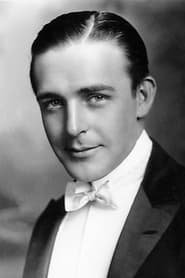
Wallace Reid
Actor
Born: April 15, 1891 in St. Louis, Missouri, USA Died: January 18, 1923 Active: 1910-1923
Films
13 films
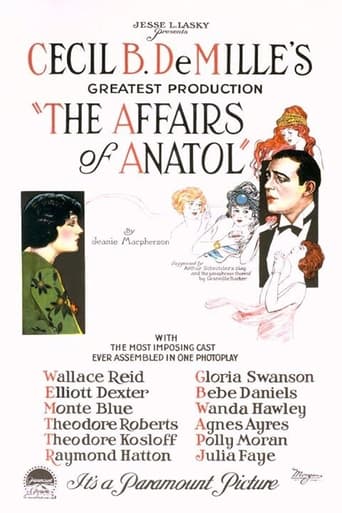
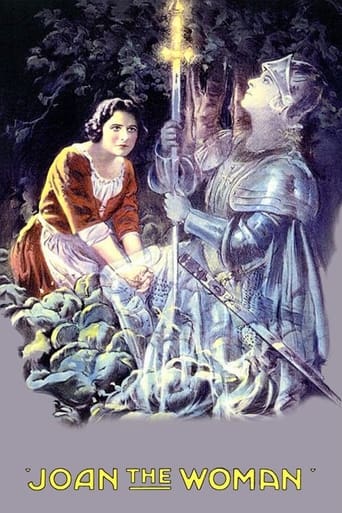
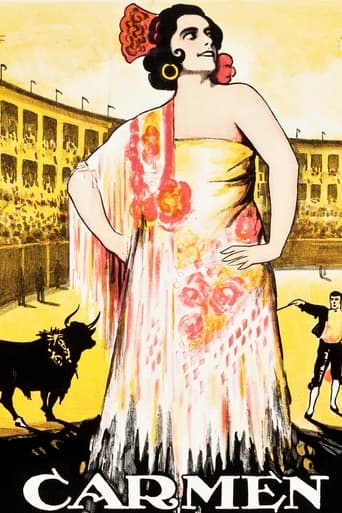
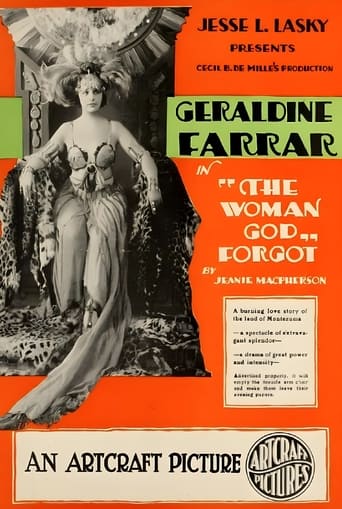

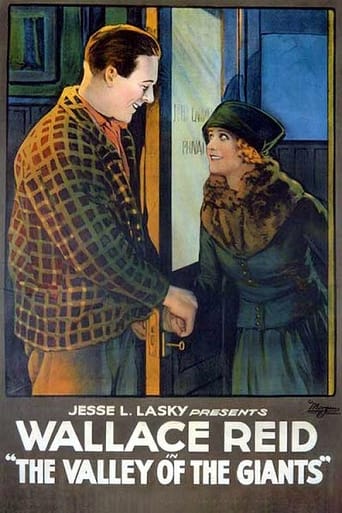

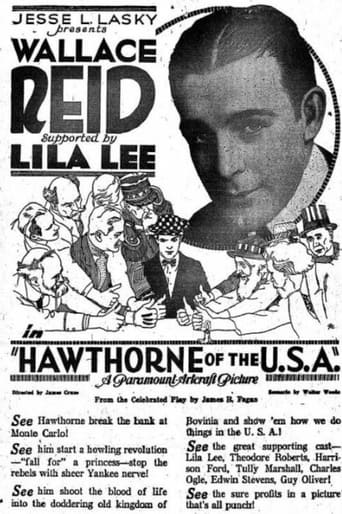
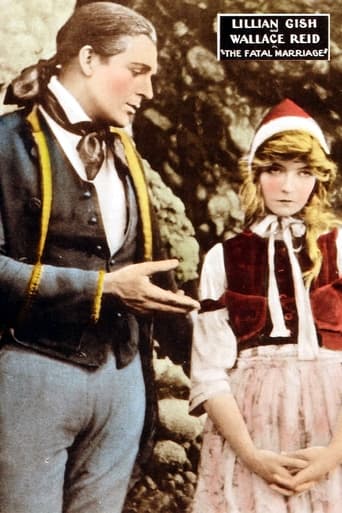
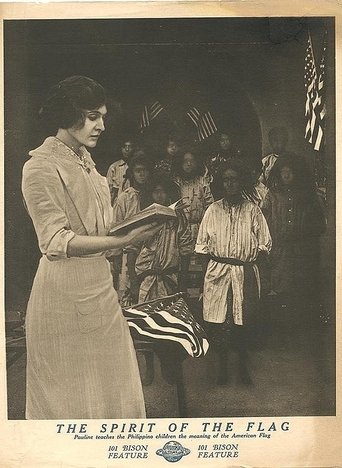
About Wallace Reid
Wallace Reid was popular and highest-paid actors of the silent film era, known for his handsome appearance and athletic prowess on screen. He began his career as a child actor and later became a leading man for director Cecil B. DeMille at Famous Players-Lasky Corporation (later Paramount Pictures). Reid starred in numerous successful films throughout the 1910s, including 'The Birth of a Nation,' 'Carmen,' and 'The Roaring Road,' establishing himself as a major box office draw. His career was tragically cut short when he developed a morphine addiction after being prescribed the drug for injuries sustained while filming. Reid died at the age of 31 in 1923, becoming one of Hollywood's first major drug-related casualties and sparking discussions about the pressures of stardom and the dangers of addiction in the film industry. His death was a major scandal that helped expose the darker side of Hollywood's golden age.
The Craft
On Screen
Reid was known for his natural, athletic acting style that contrasted with the more theatrical performances common in silent films. He possessed a charismatic screen presence and excelled in action sequences, particularly in racing and adventure films. His performances were characterized by their energy, charm, and relatively subtle emotional expression for the era, making him relatable to audiences. Reid was particularly effective in romantic leading roles, where his handsome appearance and sincere delivery won over female audiences.
Milestones
- Starred in D.W. Griffith's 'The Birth of a Nation' (1915)
- Became Cecil B. DeMille's leading man at Famous Players-Lasky
- One of the highest-paid actors of the silent era earning $2,500 per week
- Starred in the successful racing film series 'The Roaring Road' (1919)
- Married actress Dorothy Davenport in 1913
- Died from morphine addiction at age 31, becoming Hollywood's first major drug scandal
Best Known For
Iconic Roles
Must-See Films
Accolades
Special Recognition
- Posthumous star on the Hollywood Walk of Fame
Working Relationships
Worked Often With
Studios
Why They Matter
Impact on Culture
Wallace Reid's death from morphine addiction in 1923 was a watershed moment in Hollywood history, becoming the first major drug scandal to rock the film industry and forcing the public to confront the dark side of stardom. His tragic end helped spark conversations about drug abuse and the pressures faced by performers, leading to increased awareness and eventually more responsible practices in the industry. Reid's films, particularly his racing movies, helped popularize the action genre and influenced the development of automobile-themed cinema. His natural acting style served as a model for the transition away from theatrical performances toward more realistic screen acting that would become standard in later decades.
Lasting Legacy
Wallace Reid is remembered as one of the silent era's brightest stars whose career was cut tragically short. He helped establish the template for the modern action hero with his athletic performances in racing and adventure films. His death became a cautionary tale about the dangers of addiction and the pressures of Hollywood fame, leading to increased awareness about substance abuse in the entertainment industry. Reid's wife Dorothy's advocacy work following his death helped pave the way for more open discussions about addiction and mental health in Hollywood. Though many of his films are now lost, Reid's influence on screen acting style and the action genre continues to be recognized by film historians and silent cinema enthusiasts.
Who They Inspired
Reid's more naturalistic acting style influenced the transition away from the exaggerated theatrical performances common in early cinema toward the more subtle techniques that would dominate later film acting. His success in action and racing films helped establish these genres as commercially viable and inspired future generations of action stars. The circumstances surrounding his death and his wife's subsequent advocacy work influenced Hollywood's approach to addressing addiction and mental health issues among performers. Reid's career demonstrated the potential for athletic performers to succeed in cinema, paving the way for future action-oriented leading men.
Off Screen
Wallace Reid married actress Dorothy Davenport in 1913, and they had one son together, Wallace Reid Jr. Their marriage was considered one of Hollywood's happiest during the early 1920s. Reid was known as a devoted family man despite his demanding career. His wife Dorothy became a strong advocate for drug addiction awareness after his death and produced the film 'Human Wreckage' (1923) to warn about the dangers of drug abuse. Reid was also an accomplished athlete off-screen, enjoying boxing, tennis, and automobile racing.
Education
Attended preparatory schools in St. Louis and later studied at the University of Missouri, though he left to pursue his acting career
Family
- Dorothy Davenport (1913-1923)
Did You Know?
- Was one of the highest-paid actors in Hollywood, earning $2,500 per week at the height of his career
- His addiction began after being prescribed morphine for injuries sustained while filming a stunt scene
- His wife Dorothy Davenport became one of the first female film producers after his death
- Many of his films are now considered lost, a common fate for silent era productions
- Was an accomplished amateur race car driver in real life, which contributed to his success in racing films
- His death was covered extensively in the press and became a national scandal
- Was originally cast as the lead in 'The Ten Commandments' (1923) but died before filming began
- His son Wallace Reid Jr. Followed in his footsteps and became an actor and film editor
- Was known for performing many of his own stunts, which contributed to his injuries
- His funeral was one of the largest Hollywood had seen up to that time
In Their Own Words
The screen is a wonderful medium, but it demands everything from you - your body, your mind, your soul.
I'd rather die working than live doing nothing.
Acting isn't just pretending - it's finding the truth in yourself and showing it to others.
Frequently Asked Questions
Who was Wallace Reid?
Wallace Reid was.' He was a major star for Paramount Pictures and director Cecil B. DeMille before his tragic death at age 31 from morphine addiction.
What films is Wallace Reid best known for?
Titles linked here include The Birth of a Nation (1915), Carmen (1915).
When was Wallace Reid born and when did he die?
Born April 15, 1891; died January 18, 1923.
What awards did Wallace Reid win?
During his lifetime, Wallace Reid did not receive major formal awards as the Academy Awards were not established until after his death. He was, however, recognized with a posthumous star on the Hollywood Walk of Fame for his contributions to the film industry and was consistently ranked among the most popular and highest-paid actors of his era.
What was Wallace Reid's acting style?
Reid was known for his natural, athletic acting style that was more subtle and realistic compared to the theatrical performances common in silent films. He excelled in action sequences and romantic roles, bringing energy and charm to his performances that made him particularly popular with audiences.