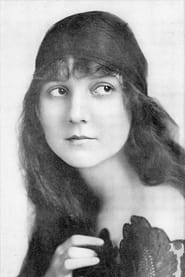
Ann Little
Actor
Born: February 7, 1891 in Mount Shasta, California, USA Died: May 6, 1984 Active: 1912-1920 Birth Name: Mary Brooks
Films
6 films


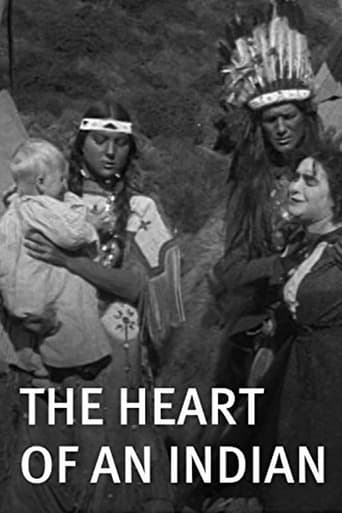
About Ann Little
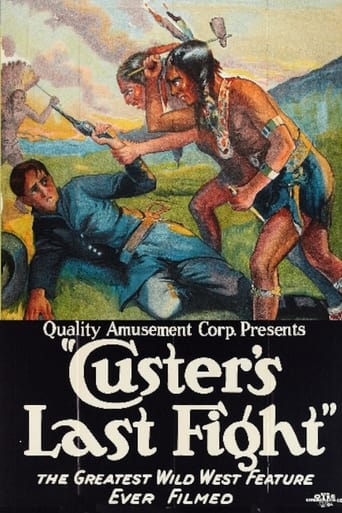
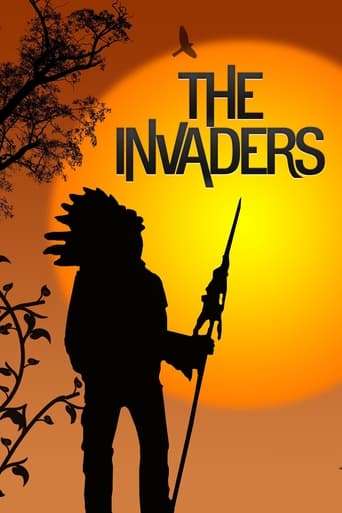
Ann Little, born Mary Brooks, was a prominent American silent film actress who rose to fame as one of Universal Studios' most popular serial queens during the 1910s. She began her film career in 1912 with roles in westerns like 'Custer's Last Fight' and 'The Invaders,' quickly establishing herself as a versatile performer capable of handling action, drama, and romance. Little became particularly known for her work in adventure serials and westerns, often portraying strong, independent female characters who could ride horses and perform their own stunts. Her peak years were from 1915 to 1920, during which she appeared in over 200 films, many of which are now lost due to the deterioration of nitrate film stock. She worked extensively with Universal Studios and was frequently paired with leading actors like Harry Carey and Art Acord. Little retired from acting in 1920 after marrying wealthy businessman Harry H. Gantz, though she made a brief return to films in 1925. Her career, though relatively short, left a significant mark on the silent film era, particularly in the western and serial genres.
The Craft
On Screen
Ann Little was known for her energetic and athletic acting style, particularly adept at physical comedy and action sequences. She often performed her own stunts, including horseback riding and fight scenes, which was unusual for actresses of her time. Her performances were characterized by expressive facial emotions and dynamic physical movement, making her well-suited for the demands of silent film serials and westerns.
Milestones
- Starred in Universal's popular serial 'The Red Glove' (1919)
- Became one of Universal's highest-paid actresses by 1918
- Appeared in over 200 films during her career
- Known as 'Universal's Serial Queen' in the late 1910s
- Retired at the height of her fame in 1920
Best Known For
Iconic Roles
Must-See Films
Accolades
Special Recognition
- Star on the Hollywood Walk of Fame (motion pictures)
Working Relationships
Worked Often With
Studios
Why They Matter
Impact on Culture
Ann Little represented the archetype of the independent, athletic heroine during the transitional period when women were increasingly portrayed as capable and self-reliant in American cinema. Her popularity in westerns and serials helped establish the template for action-oriented female characters in American film. Little's success at Universal Studios demonstrated the commercial viability of female-led action films, paving the way for future actresses in adventure and action genres. Her ability to perform her own stunts challenged traditional gender expectations in early Hollywood.
Lasting Legacy
Ann Little's legacy lies in her contribution to the development of the action heroine archetype in American cinema. Though many of her films have been lost, her influence can be seen in subsequent generations of actresses who combined glamour with physical prowess. She remains an important figure in the history of silent film serials and westerns, representing an era when actresses could be both romantic leads and action heroes. Her career also illustrates the pattern of many silent era stars who retired at the height of their fame, leaving behind a body of work that, while incomplete due to film loss, still showcases the dynamic energy of early American cinema.
Who They Inspired
Little influenced subsequent generations of actresses in action and adventure films, particularly in the western genre. Her approach to physically demanding roles helped establish that actresses could be both glamorous and athletic. Her work in serials influenced the development of the action-adventure format in both film and later television. Contemporary actresses who perform their own stunts in action films owe a debt to pioneers like Little who broke ground in this area during the silent era.
Off Screen
Ann Little married wealthy businessman Harry H. Gantz in 1920, which led to her retirement from films. The marriage was highly publicized and she was often referred to in society columns as Mrs. Harry Gantz. After her husband's death, she lived a relatively private life in Los Angeles. She never had children and devoted her later years to philanthropic work and supporting animal welfare causes.
Education
Limited formal education; began working in entertainment as a teenager
Family
- Harry H. Gantz (1920-1950, his death)
Did You Know?
- Appeared in over 200 films during her 8-year career
- Most of her films are now considered lost
- Was one of Universal's highest-paid stars in 1918
- Often performed her own stunts, including dangerous horseback riding sequences
- Retired from films at age 29 after marrying a millionaire
- Her real name was Mary Brooks but she also used the professional name Anna Little
- Was known as 'The Universal Serial Queen' in the late 1910s
- Made a brief comeback in 1925 with one film before retiring permanently
- Was a skilled horsewoman from childhood, which helped her western career
- Her husband Harry Gantz was a prominent automobile dealer and businessman
In Their Own Words
I'd rather ride a horse than sit in a drawing room any day
In pictures, you have to show everything you feel - your face is your voice
The best thing about being a serial queen is that you never die - you just come back next week
I learned early that if you want to succeed in this business, you have to be willing to do things yourself
Frequently Asked Questions
Who was Ann Little?
Prominent American silent film actress known as 'Universal's Serial Queen' in the 1910s. She starred in over 200 films, primarily westerns and adventure serials, and was famous for performing her own stunts and portraying strong, independent female characters.
What films is Ann Little best known for?
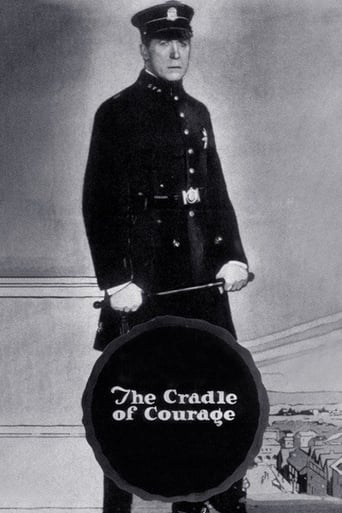
Titles linked here include The Roaring Road (1919), Excuse My Dust (1920).
When was Ann Little born and when did she die?
Born February 7, 1891; died May 6, 1984.
What awards did Ann Little win?
While Ann Little did not receive major film awards during her career era, she was honored with a star on the Hollywood Walk of Fame for her contributions to motion pictures. She was also one of Universal Studios' highest-paid actresses by 1918.
What was Ann Little's acting style?
Ann Little was known for her energetic and athletic acting style, characterized by expressive facial emotions and dynamic physical movement. She excelled at action sequences and often performed her own stunts, including horseback riding and fight scenes, making her particularly suited for westerns and serials.