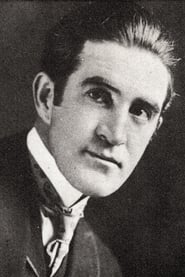


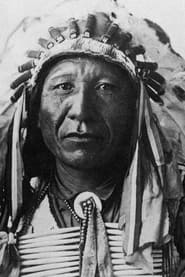
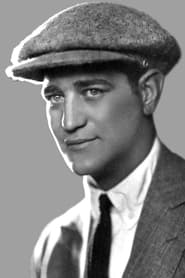

The Invaders
"Broken treaty on the frontier"
Keys: Space play/pause · ←/→ 10s · F fullscreen · M mute · </> speed
About this film
Surveyors violate a U.S.–Indian treaty and trigger a brutal frontier war. The 1912 Thomas Ince Western dramatizes broken promises on the Plains.
Cast & crew
More films like this
More Western films
View all →

More from Francis Ford
View all →
More about this film
About the production
Release dateAugust 12, 1912
Box officeUnknown - box office tracking was not systematically recorded in 1912
ProductionUniversal Film Manufacturing Company
Filmed inCalifornia - likely Universal's studio facilities and nearby locations
The Invaders was produced during the early days of Universal Film Manufacturing Company, which had been founded just the previous year in 1912. The film was typical of the short Westerns being produced in Hollywood during this period, running approximately 15-20 minutes as was standard for one-reel films of the era. Francis Ford was not only the director but also the star, playing the lead role, which was common practice in early cinema where directors often doubled as actors to save costs.
Themes
Broken treaties and government betrayalCultural conflict and misunderstandingHonor and dignity in the face of oppressionThe consequences of greed and expansionJustice versus law
Themes & topics
treaty violationsurveyorsIndian wararmy fortpeace treatyland rightscultural conflictWestern frontierNative AmericansU.S. Cavalryrevengeinvasioncolonialismbetrayal
Historical background
The Invaders (1912) reached audiences during the nickelodeon era, when exhibitors mixed shorts and features on the same program.
Why this film matters
Historians retain The Invaders as a record of how filmmakers in 1912 addressed popular genres.
Making of
The production of The Invaders took place during a pivotal moment in Hollywood's development. Francis Ford, having established himself as a reliable director for Universal, was given considerable creative freedom. The film was shot on location in California, taking advantage of the diverse landscapes that would soon make Hollywood the film capital of the world. The cast worked long hours under primitive conditions, with early film equipment requiring constant attention. The battle sequences were choreographed without modern safety equipment, making them genuinely dangerous for the performers. Ford, known for his hands-on approach, likely performed his own stunts, as was common in this era before stunt doubles became standard practice. The film's intertitles (title cards) would have been created by hand, as mechanical typesetting for film was not yet developed.
What critics said
Trade coverage from 1912 treated The Invaders as program material; later writers evaluate it through preservation and genre context.
Did you know?
- Francis Ford, the director and star, was the older brother of director John Ford, who would later revolutionize the Western genre
- The film was released just months after Universal Film Manufacturing Company was founded in April 1912, making it one of the studio's earliest productions
- This was during the transition period when films were moving from actualities and simple scenarios to more complex narrative storytelling
- The film was shot on 35mm film, which had become the industry standard by 1912
- Native American roles in this era were typically played by white actors in makeup, though some productions did begin using actual Native Americans for authenticity
- The film's theme of broken treaties with Native Americans was controversial for its time, as most Westerns portrayed Indians as simple villains
- Francis Ford directed over 500 films during his career, though most are now lost
- The film was released during the presidential campaign year when Woodrow Wilson was elected, a time of significant social change in America
- 1912 was the year the Titanic sank, and the film industry was rapidly growing as a popular escape from world events
- the release predates the feature-length film revolution that would begin with The Birth of a Nation in 1915
Visual style
The cinematography of The Invaders would have been accomplished using hand-cranked 35mm cameras of the era, likely the Pathé or Bell & Howell models that were standard in 1912. The film was shot in black and white, as color processes were still experimental and expensive. Natural lighting would have been used for outdoor scenes, while indoor scenes would have been lit with harsh arc lights that created dramatic shadows. The camera work would have been static for most scenes, as camera movement was limited by the heavy equipment, though some tracking shots might have been attempted. The battle sequences would have featured wide shots to capture the scale of the action, a technique that would become a hallmark of the Western genre. The film's visual style would have emphasized contrast and silhouette, particularly in the outdoor scenes, creating the dramatic visual language that would define the Western aesthetic.
Innovations
While The Invaders does not represent major technical breakthroughs, it demonstrates the sophistication that had been achieved in filmmaking by 1912. The film likely employed parallel editing to build tension during the battle sequences, cutting between different groups of characters to create suspense. The use of location shooting rather than entirely studio-bound production was relatively advanced for the period. The film's narrative complexity, moving from treaty signing through escalating conflict to climactic battle, showed the increasing sophistication of film storytelling. The action sequences, particularly the fort attack, would have required careful planning and coordination of many performers and extras, demonstrating the growing organizational capabilities of film production companies. The film's use of intertitles to convey dialogue and exposition was standard for the period but represented an important step in the development of film language.
Music
As a silent film, The Invaders would have been accompanied by live musical performance during theatrical exhibition. The typical accompaniment would have ranged from a single piano in smaller theaters to a small orchestra or organ in larger venues. The music would have been compiled from various sources, including classical pieces, popular songs of the era, and specially composed cue sheets that suggested appropriate music for different scenes. Battle sequences would have been accompanied by dramatic, martial music, while emotional scenes would have featured slower, more romantic melodies. Theaters often employed sound effects specialists who would create noises for gunshots, horses, and other action elements. The musical accompaniment was crucial to the silent film experience, providing emotional guidance and narrative clarification that dialogue would later provide.
Famous quotes
As a silent film, dialogue was conveyed through intertitles. Specific title card texts from The Invaders are not preserved in available records, but typical intertitles would have included messages like: 'The white man's promise is written in sand' and 'When treaties are broken, war is inevitable.'
Memorable scenes
- The treaty signing ceremony between the Army and Indian chiefs, showing a moment of hope that would soon be shattered; The surveyors' trespass on Indian land, their dismissal of warnings creating dramatic tension; The Indians' fruitless attempts to seek justice from Army authorities; The killing of the surveyors, portrayed as an act of desperation rather than simple savagery; The climactic attack on the army fort, with Indian warriors on horseback surrounding the besieged soldiers
What audiences thought
Audience reception in 1912 would have been gauged primarily by box office returns and word-of-mouth, as systematic audience research did not exist. Westerns were extremely popular with early film audiences, and The Invaders likely performed well due to its action sequences and dramatic themes. The film's exploration of treaty violations and Indian grievances may have resonated with audiences still familiar with recent frontier conflicts. The spectacle of the fort attack sequence would have been a major draw, as action scenes were a primary appeal of early cinema. The film's short running time (15 minutes) made it ideal for the variety-style programming common in theaters of the era, where it would have been shown alongside other short films, newsreels, and possibly live performances.
Film connections
Influenced by
- D.W. Griffith's early Western shorts
- Thomas Ince's frontier films
- Earlier Indian-themed films like 'The Red Man's View' (1909)
- Stage plays about Indian conflicts
- Popular dime novels about the West
- Contemporary newspaper accounts of Indian conflicts
This film influenced
- Later Francis Ford Westerns
- John Ford's early Western work
- Universal's subsequent Indian-themed productions
- The development of more sympathetic Indian portrayals in 1920s Westerns
- The epic Western battle films of the silent era
Film restoration
The Invaders (1912) is believed to be a lost film, as are approximately 90% of American silent films produced before 1920. The nitrate film stock used during this era was highly unstable and prone to deterioration and fires. No known copies of the film exist in major film archives such as the Library of Congress, the Museum of Modern Art, or the UCLA Film & Television Archive. The film exists only in written records, production stills (if any survive), and contemporary reviews. This loss is typical of Universal's early productions, as the studio did not maintain a comprehensive preservation program during its early years.
Where to watch
- As a lost film, The Invaders is not available for viewing through any commercial or archival channels. Film enthusiasts can learn about it through historical film databases, books on early cinema, and academic papers on Francis Ford's work. The Library of Congress's American Silent Feature Film Database lists the film among lost titles. Some production stills or promotional materials might occasionally appear in film history books or museum exhibitions about early Westerns.