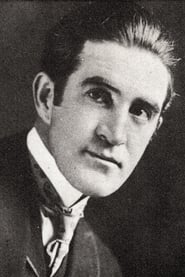
Francis Ford
Actor & Director
Born: August 14, 1881 in Portland, Maine, USA Died: September 5, 1953 Active: 1912-1945 Birth Name: Francis Feeney
Films
9 films

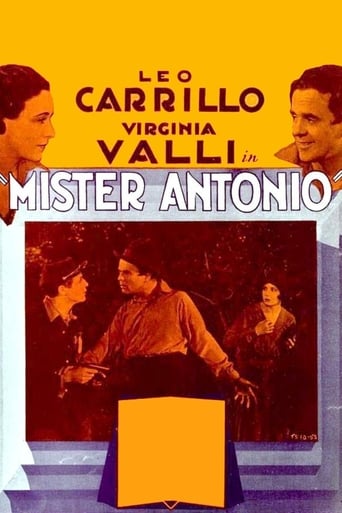
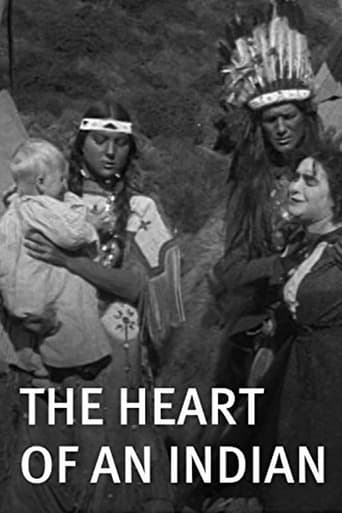
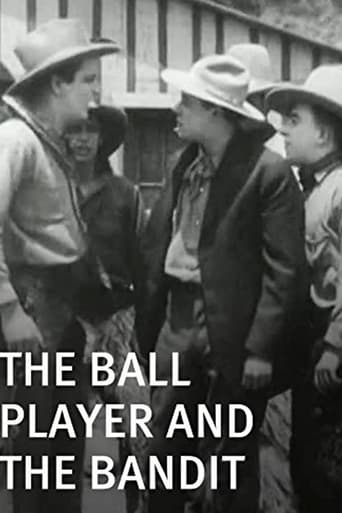
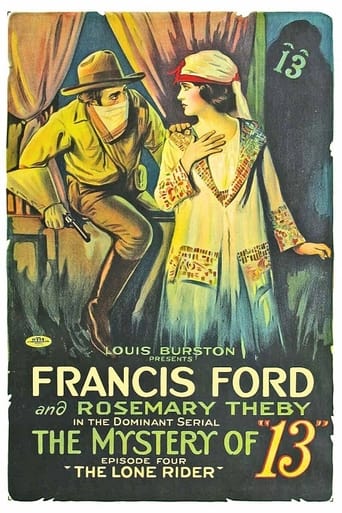
About Francis Ford
Francis Ford (born Francis Feeney) was an American film actor, director, and writer who made significant contributions to early Hollywood cinema during the silent era and transition to sound. Beginning his career with Thomas Edison's company, he quickly rose to prominence as a director at Universal Pictures, where he helmed hundreds of short films and features throughout the 1910s and 1920s, specializing in westerns and adventure stories. Ford was instrumental in launching the career of his younger brother, the director John Ford, whom he mentored and employed in various capacities on his film sets. As an actor, he appeared in over 400 films, often in character roles, and became a familiar face in many of his brother's classic westerns, typically playing authority figures or providing comic relief. His directorial work, while not as celebrated as his brother's, was commercially successful and helped establish many conventions of the western genre. Despite facing personal and professional challenges, including alcoholism that affected his later career, Ford remained active in the industry until his death, leaving behind a substantial body of work that influenced early American cinema. His legacy as both a filmmaker and a mentor to one of cinema's greatest directors ensures his place in film history.
The Craft
On Screen
Francis Ford developed a distinctive acting style characterized by his commanding presence and theatrical delivery, typical of the silent era but adapted effectively for sound films. He specialized in playing authority figures such as sheriffs, military officers, and government officials, bringing a sense of gravitas and authenticity to these roles. His performances often incorporated elements of humor and pathos, particularly in his later collaborations with his brother John Ford, where he frequently served as comic relief while maintaining character dignity. Ford's acting technique emphasized clear physical gestures and expressive facial features, essential for silent film communication, which he successfully adapted to the demands of sound cinema. His natural ability to convey both menace and warmth made him a versatile character actor who could seamlessly transition between villainous and sympathetic roles.
Behind the Camera
As a director, Francis Ford was known for his efficient, commercially-minded approach to filmmaking, particularly excelling in the western and adventure genres that dominated early cinema. His directing style emphasized action, spectacle, and clear narrative progression, making his films popular with audiences of the time. Ford demonstrated particular skill in staging complex action sequences and chase scenes, utilizing the expansive landscapes that would become synonymous with the western genre. While not as artistically ambitious as his younger brother's work, Francis Ford's films displayed technical competence and an understanding of visual storytelling that helped establish many conventions of American genre cinema. His directing approach was practical and economical, often completing films quickly and within budget, which made him valuable to studios during the formative years of Hollywood.
Milestones
- Directed over 300 short films and features in the 1910s
- Mentored younger brother John Ford, helping launch his legendary career
- Starred in the Universal serial 'Lucille Love, Girl of Mystery' (1914)
- Established his own production company, the Ford Film Company
- Appeared in numerous John Ford classics including 'Stagecoach' and 'The Searchers'
- Pioneered many techniques in early western filmmaking
- Successfully transitioned from silent films to talkies
Best Known For
Iconic Roles
Must-See Films
Accolades
Special Recognition
- Hollywood Walk of Fame star (located at 6521 Hollywood Boulevard)
Working Relationships
Worked Often With
Studios
Why They Matter
Impact on Culture
Francis Ford played a significant role in shaping early American cinema, particularly through his prolific output of westerns and adventure films that helped establish genre conventions still influential today. His work as a director during the formative years of Hollywood contributed to the development of visual storytelling techniques and narrative structures that would become standard in American filmmaking. Ford's mentorship of his brother John Ford represents perhaps his most profound cultural impact, as John would go on to become one of cinema's most celebrated directors, creating masterpieces that defined the American western. The Ford brothers' collaborative relationship exemplified the family-based nature of early Hollywood and demonstrated how personal connections could shape artistic legacies. Francis Ford's extensive filmography, while not critically acclaimed in the manner of his brother's work, provides valuable insight into the evolution of American popular cinema and the transition from silent films to sound.
Lasting Legacy
Francis Ford's legacy in film history is multifaceted, encompassing his substantial contributions as a director, his memorable character acting performances, and his crucial role as mentor to one of cinema's greatest directors. While his directorial work has been largely overshadowed by his brother's achievements, his films remain important artifacts of early American cinema, showcasing the development of genre filmmaking and storytelling techniques. His acting career, spanning over four decades and hundreds of films, created a lasting body of work that continues to be studied by film historians and appreciated by classic cinema enthusiasts. The Ford family's impact on Hollywood, with Francis as the elder brother and John as the artistic genius, represents. Modern film scholarship has increasingly recognized Francis Ford's importance, not just as John Ford's brother, but as a significant filmmaker in his own right who helped shape the language of American cinema during its formative years.
Who They Inspired
Francis Ford influenced subsequent generations of filmmakers primarily through his mentorship of John Ford, whose revolutionary techniques in composition, editing, and storytelling would influence countless directors from Orson Welles to Steven Spielberg. His efficient, commercially successful approach to genre filmmaking established templates that would be refined and expanded by later directors working in westerns and adventure films. Ford's ability to balance artistic considerations with commercial demands provided a model for Hollywood directors throughout the studio era. His work in serial filmmaking influenced the development of episodic storytelling in both film and television, with his techniques for creating suspense and maintaining audience engagement across installments proving particularly influential. The collaborative relationship between Francis and John Ford also demonstrated the value of creative partnerships and mentorship in filmmaking, inspiring similar relationships in Hollywood and beyond.
Off Screen
Francis Ford married actress Elsie Van Name in 1910, and they had two children together before divorcing in 1928. He later married Mary McBride Smith in 1931, with whom he remained until his death. Ford struggled with alcoholism throughout much of his adult life, which significantly impacted his career trajectory and personal relationships. Despite these challenges, he maintained close family ties, particularly with his brother John Ford, who continued to employ him in acting roles even when his directing career had declined. Ford was known for his generosity toward fellow actors and crew members, often helping those in need despite his own financial difficulties. He spent his final years in Los Angeles, remaining active in the film industry until his death from cancer in 1953.
Education
Limited formal education; largely self-taught in filmmaking through practical experience in the early film industry
Family
- Elsie Van Name (1910-1928)
- Mary McBride Smith (1931-1953)
Did You Know?
- Changed his surname from Feeney to Ford early in his career
- Directed over 300 films in his career, though many are now lost
- Was one of the first filmmakers to shoot on location in Monument Valley, later made famous by his brother John
- Appeared in more of John Ford's films than any other actor
- His son Philip Ford also became a film director
- His daughter Ruth Ford became a successful Broadway actress and was known for her literary salons
- Was a pioneer in the use of camera movement in action sequences
- Helped develop many of the visual conventions of the western genre
- Once owned and operated his own production company, the Ford Film Company
- Served in the U.S. Army during the Spanish-American War before entering films
- Was one of the first directors to recognize and develop John Wayne's potential
- His alcoholism problems were well-known in Hollywood but rarely affected his work until later years
- Was credited with discovering several actors who went on to major careers
- Often worked under multiple pseudonyms in his early directing career
- Maintained a lifelong friendship with fellow western director William S. Hart
In Their Own Words
"In pictures, you have to make your point in a hurry. You don't have time to build up slowly like you do on the stage." - On the difference between film and theater
"My brother John may be the genius in the family, but I taught him everything he knows about making movies." - Humorous claim about mentoring John Ford
"A western isn't about cowboys and Indians, it's about the American spirit. That's why they'll always be popular." - On the enduring appeal of westerns
"The trick to making serials is to always leave them wanting more. End each chapter with a cliffhanger and they'll come back next week." - On serial filmmaking technique
"Location shooting adds something you can't get on a soundstage. The real landscape gives a picture authenticity that sets can't match." - On filming on location
Frequently Asked Questions
Who was Francis Ford?
American film actor, on YTB.my. He was the older brother of legendary director John Ford and made significant contributions to early Hollywood cinema, particularly in western and adventure films.
What films is Francis Ford best known for?
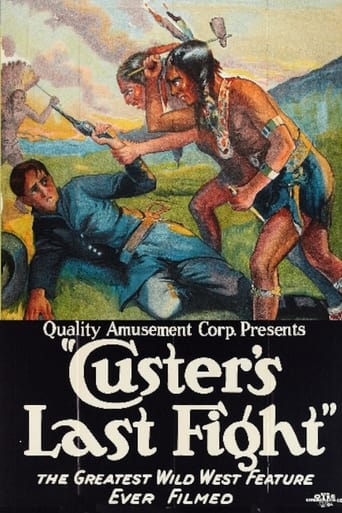
Titles linked here include Custer's Last Fight (1912), The Invaders (1912).
When was Francis Ford born and when did he die?
Born August 14, 1881; died September 5, 1953.
What awards did Francis Ford win?
While Francis Ford did not receive major competitive awards during his lifetime, he was honored with a star on the Hollywood Walk of Fame at 6521 Hollywood Boulevard for his contributions to the film industry.
What was Francis Ford's relationship to John Ford?
Francis Ford was the older brother of director John Ford and played a crucial role in launching John's career by mentoring him and giving him early opportunities in the film industry. The brothers maintained a lifelong professional relationship, with Francis appearing in many of John's films.
How did Francis Ford influence early cinema?
Francis Ford influenced early cinema through his prolific output of westerns and adventure films that helped establish genre conventions, his work in serial filmmaking, and his development of action sequence techniques that would become standard in Hollywood filmmaking.
What was Francis Ford's directing style?
Francis Ford's directing style emphasized efficient storytelling, spectacular action sequences, and clear narrative progression, particularly in western and adventure genres. His approach was commercially-minded and technically competent, helping establish many conventions of American genre cinema.