The White Gorilla
"1945 film by Harry L. Fraser"
Keys: Space play/pause · ←/→ 10s · F fullscreen · M mute · </> speed
About this film
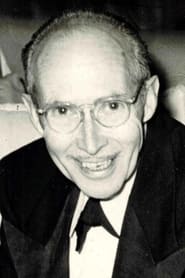
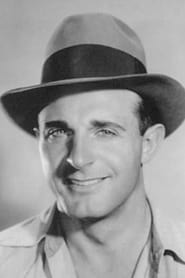
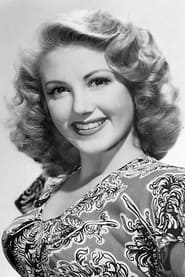
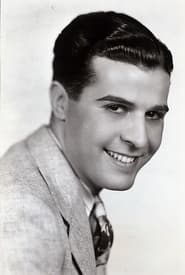
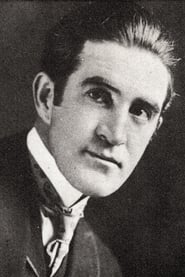
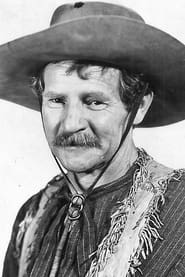
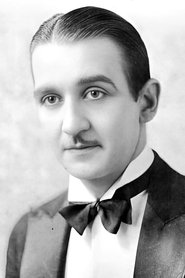
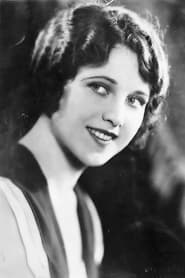
Was made by re-editing Fraser's 1927 silent serial Perils of the Jungle, and adding new footage as a framing plot. Fraser and starring Ray Corrigan, Lorraine Miller, and George J. This was done without regard to differences in film quality or speed. the production is in the public domain.
Cast & crew
More Action films
View all →
More from Harry L. Fraser
View all →
More about this film
About the production
Release dateOctober 15, 1945
BudgetApproximately $50,000-75,000 (typical PRC production budget)
Box officeModest box office returns, primarily from second-run theaters and double bills
ProductionProducers Releasing Corporation (PRC)
Filmed inCorriganville Movie Ranch (Simi Valley, California), Various studio backlots in Los Angeles
The film was notorious for its extensive use of stock footage from the 1927 silent serial 'Perils of the Jungle,' creating noticeable continuity issues. Ray Corrigan, who was famous for playing apes in films, performed dual roles as both the human character and the white gorilla. The production was rushed through filming in approximately one week to minimize costs, a common practice for PRC productions. The gorilla suit used was one Corrigan had employed in numerous previous films, showing considerable wear and tear.
Themes
Man versus natureThe mystery of the unknownCivilization versus wildernessThe exotic 'other'Conservation and rarity
Themes & topics
white gorillaAfrican jungleexpeditiontreasure huntstock footagecreature featurejungle adventureB-moviePoverty Rowdual role
Historical background
The White Gorilla (1945) circulated in studio-era and wartime programming. The film was made by re-editing Fraser's 1927 silent serial Perils of the Jungle, and adding new footage as a framing plot. Contemporary trade papers and later preservation notes document its place among theatrical and archive releases.
Why this film matters
The White Gorilla remains accessible to researchers and viewers as a screen title in museum, archive, and streaming collections. Programmers cite it when tracing regional production history and surviving early prints.
Making of
The production of 'The White Gorilla' was a masterclass in low-budget filmmaking techniques. Director Harry L. Fraser and PRC executives decided to maximize their minimal budget by incorporating extensive stock footage from the 1927 silent serial 'Perils of the Jungle.' This created significant challenges during filming, as the new material had to match the style and content of decades-old footage. Ray Corrigan, who was essentially the star attraction due to his reputation as an ape actor, had to perform in uncomfortable conditions wearing the heavy gorilla suit in California heat. The suit, which he owned personally, was showing its age from repeated use in previous films. The production team worked around these limitations by carefully choreographing new scenes that could be intercut with the older footage. The minimal cast and crew worked long hours to complete the film in under a week, a standard practice for PRC productions. The sound recording was particularly challenging, as they had to match the audio quality between new scenes and the silent footage that required new dubbing.
What critics said
Day-one reviews for The White Gorilla are sparse in digitized press archives; later criticism treats it as a reference point for 1945 cinema programming and preservation.
Did you know?
- The film contains approximately 40% recycled footage from the 1927 silent serial 'Perils of the Jungle,' creating jarring transitions between silent and sound footage
- Ray Corrigan was so typecast as an ape actor that he owned and maintained his own gorilla suit, which he used in numerous films throughout his career
- The white gorilla suit was actually a regular gorilla suit painted white, which caused the paint to crack and flake during filming
- Director Harry L. Fraser was known as a 'Poverty Row' specialist who could complete films quickly and on minimal budgets
- PRC (Producers Releasing Corporation) was one of the smallest Hollywood studios, often referred to as 'Poverty Row' for their ultra-low-budget productions
- The film was released as part of a double bill with 'The White Gorilla' as the main feature and a shorter film as the second attraction
- George J. Lewis, who played the villain, would later become famous for his role in the Zorro television series
- The film's minimal dialogue was partially due to the amount of silent footage incorporated into the final cut
- Despite being set in Africa, no footage was shot on location - everything was filmed in California
- The white gorilla concept was inspired by real-life reports of albino gorillas, though none had been scientifically documented at the time
Visual style
The cinematography reflects the film's dual nature, with stark differences between the newly filmed material and the recycled 1927 footage. The new scenes, likely shot by cinematographer Marcel Le Picard, show the typical style of low-budget 1940s productions with basic lighting and straightforward camera work. The stock footage from the silent era has a completely different visual quality, with the grainy, high-contrast look of 1920s film stock. This creates jarring visual transitions throughout the film that modern viewers find particularly noticeable. The jungle scenes, whether new or recycled, rely heavily on studio backlot sets and painted backdrops rather than genuine location photography. The white gorilla scenes were shot with special attention to making the painted suit appear as convincing as possible under the lighting conditions.
Innovations
While 'The White Gorilla' was not technically innovative, it demonstrated considerable ingenuity in working with severe budget limitations. The primary technical achievement was the successful integration of 18-year-old stock footage with new material, despite the obvious visual differences. The film's editors had to creatively match the pacing and style of silent footage with sound film techniques. Ray Corrigan's gorilla suit work, while not groundbreaking, showed the evolution of creature effects techniques from the 1930s to the 1940s. The production team's ability to create a coherent narrative from disparate sources of footage represents a notable achievement in economical filmmaking. The film's completion in approximately one week of principal photography demonstrates the efficiency of Poverty Row production methods.
Music
The musical score was typical of low-budget PRC productions, utilizing library music and minimal original composition. The soundtrack had to bridge the gap between the newly recorded dialogue and sound effects and the silent stock footage, which required new scoring and dubbing. The music likely consisted of stock jungle-themed compositions that could be quickly adapted to the film's needs. Sound effects were limited but effective for the genre, with emphasis on gorilla vocalizations and jungle atmosphere. The dialogue recording was straightforward, with minimal post-production work given the film's budget constraints. No notable composers or musicians were credited for the film's music, which was standard practice for PRC releases.
Famous quotes
The white gorilla... the most feared creature in all of Africa!
In this jungle, even the laws of nature can be broken
Some legends are born from truth, others from fear
The jungle doesn't forgive, and it never forgets
Memorable scenes
- The first appearance of the white gorilla emerging from the jungle mist
- Ray Corrigan's transformation from human character to gorilla role
- The climactic battle between the white gorilla and the expedition members
- The discovery of the ancient jungle ruins
- The final revelation about the true nature of the white gorilla
What audiences thought
Initial audience reception was modest, with the film performing adequately in second-run theaters and as part of double bills. The target audience of B-movie patrons found it entertaining enough for its 61-minute runtime, though there were no reports of it being particularly popular or memorable. The presence of Ray Corrigan, known to audiences from his numerous ape roles, likely provided some drawing power. In later years, the film developed a cult following among B-movie enthusiasts and fans of classic jungle adventure films. Modern audiences discovering the film through revival screenings or home video often appreciate it for its historical value and camp appeal rather than its entertainment merits. The film has become a favorite among those who enjoy 'so bad it's good' cinema.
Film connections
Influenced by
- MGM's Tarzan films
- King Kong (1933)
- Earlier jungle adventure serials
- Mysterious Island (1929)
- The Lost World (1925)
This film influenced
- Later PRC jungle productions
- Low-budget creature features of the 1950s
- Modern B-movie creature films
Film restoration
The film exists in complete form and has been preserved through various 16mm and 35mm prints. It has entered the public domain, which has helped ensure its survival through multiple distribution channels. The quality of available prints varies, with some showing considerable wear and tear. The film has been released on various budget DVD labels and is available through public domain archives. The original negative status is unknown, but multiple copies exist in film archives and private collections.
Where to watch
- Internet Archive (free public domain streaming)
- Various budget DVD releases
- Classic B-movie streaming services
- YouTube (public domain uploads)
- Retro film specialty websites