Charles King
Actor
Born: February 21, 1886 in Hartsdale, New York, USA Died: January 11, 1944 Active: 1915-1944 Birth Name: Charles Lafayette King
Films
4 films
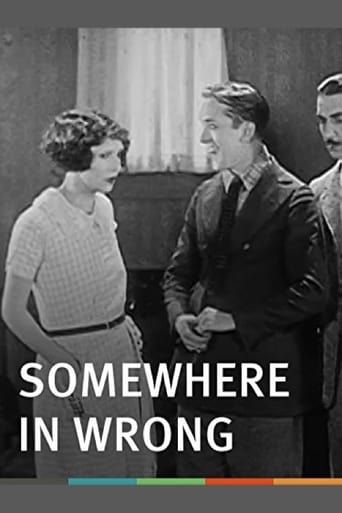
About Charles King
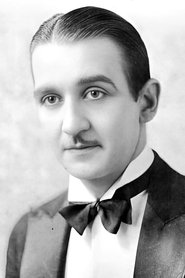
Charles Lafayette King — prolific American character actor whose nearly three decades of classic cinema, from the silent era through the Golden Age of Hollywood. Born in 1886 in New York, he began his film career in the mid-1910s and quickly established himself as one of Hollywood's most reliable villains, particularly in Westerns and adventure films. King appeared in an astonishing 400+ films throughout his career, though many were uncredited or minor roles that nonetheless contributed to his distinctive presence in American cinema. He worked extensively for Poverty Row studios like Mascot Pictures and Republic Pictures, becoming a familiar face to Saturday matinee audiences through his work in serials and B-movies. His menacing appearance, often featuring a distinctive mustache and stern expression, made him instantly recognizable to moviegoers of the era. Despite his prolific output, King remained a supporting player throughout his career, never achieving leading man status but becoming one of Hollywood's most indispensable character actors. His career successfully transitioned from silent films to talkies, where his commanding voice and delivery enhanced his villainous persona. King passed away in 1944, leaving behind a substantial body of work that exemplifies the craftsmanship and dedication of Hollywood's supporting players during the studio system era.
The Craft
On Screen
King specialized in playing menacing villains and antagonists with a distinctive physical presence. His acting style was characterized by a stern, imposing demeanor enhanced by his signature mustache and intense, threatening gaze. In silent films, he mastered the art of conveying villainy through exaggerated facial expressions and body language. With the advent of sound, his deep, commanding voice added another dimension to his menacing performances. King was particularly skilled at playing henchmen, gang leaders, and corrupt officials who served as obstacles for the heroes. His approach was straightforward and effective - he understood exactly what audiences wanted from a villain and delivered it consistently without unnecessary subtlety. While never a method actor, King brought professionalism and reliability to every role, no matter how small.
Milestones
- Appeared in over 400 films during his career
- Regular villain in Western films and serials
- Successfully transitioned from silent to sound films
- Worked extensively with Poverty Row studios
- Became a familiar face to Saturday matinee audiences
- Specialized in playing henchmen and secondary villains
Best Known For
Iconic Roles
Must-See Films
Working Relationships
Worked Often With
Studios
Why They Matter
Impact on Culture
Charles King's cultural impact lies in his contribution to the golden age of Hollywood Westerns and serials, where he helped establish the archetypal villain that audiences loved to hate. His consistent presence in hundreds of films made him a familiar figure to generations of moviegoers who attended Saturday matinees during the 1920s, 1930s, and 1940s. While never a star, King — essential component of the Hollywood studio system, providing the reliable antagonistic presence that made heroes shine brighter. His work exemplifies the importance of character actors in creating the classic cinema, and his face became synonymous with the villainous figures that populated American popular culture during this era. King's performances helped define the visual language of villainy in Western films, influencing how antagonists would be portrayed for decades to come.
Lasting Legacy
Charles King's legacy is that of one of Hollywood's most prolific and reliable character actors, a man who appeared in more films than many stars of his era. While his name may not be widely remembered today, his face is instantly recognizable to classic film enthusiasts who have seen his work in countless Westerns and serials. King represents the thousands of dedicated supporting actors who formed the backbone of Hollywood's golden age, working tirelessly to bring stories to life without receiving the recognition given to leading players. His filmography serves as a valuable record of the types of films that entertained American audiences during the first half of the 20th century, particularly the Westerns and adventure serials that were staples of Saturday matinee programming. Today, film historians and classic cinema fans celebrate King not just for his prolific output, but for the consistent quality and professionalism he brought to every role, no matter how small.
Who They Inspired
Charles King influenced generations of character actors who followed him by demonstrating the value of reliability and consistency in the film industry. His ability to transition successfully from silent films to talkies provided a model for other actors facing similar challenges. King's specialized niche as a villain showed aspiring actors the importance of finding one's type and becoming the best at it. His work in serials and B-Westerns helped establish conventions for villainous performances that would influence actors in these genres for decades. While he never directly mentored famous stars, his professional approach and dedication to his craft set an example for all supporting actors in Hollywood. King's career demonstrated that success in Hollywood didn't always require stardom - consistent work and professionalism could lead to a long and respected career in the industry.
Off Screen
Charles King was married and had a family, though details about his personal life remain relatively private compared to his extensive film career. He maintained a steady career in Hollywood during the challenging transition from silent films to talkies, demonstrating remarkable adaptability in an era when many actors found themselves obsolete. King was known as a reliable professional on set, always prepared and willing to take on whatever role was offered to him. His dedication to his craft and his ability to work consistently made him a valued player in the studio system, even if he never achieved stardom. He passed away in Los Angeles in 1944 at the age of 57, leaving behind a legacy as one of Hollywood's most prolific character actors.
Family
- Virginia Vance (1926-1944, his death)
Did You Know?
- Appeared in over 400 films during his 29-year career
- Often played the same type of villainous character in different films
- Was a favorite of Poverty Row studios due to his reliability
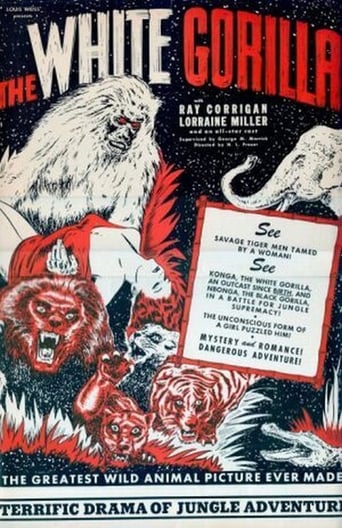
- His final film 'The White Gorilla' was released posthumously
- Worked with many of the biggest Western stars of his era
- Never received a screen credit in many of his early films
- Was typecast so strongly as a villain that he rarely played other roles
- His distinctive mustache became his trademark feature
- Worked consistently through the Great Depression when many actors struggled
- His films were often shown as part of Saturday matinee programs for children
In Their Own Words
As a character actor who rarely gave interviews, King left behind few recorded quotes, but his performances spoke volumes about his dedication to his craft.
Frequently Asked Questions
Who was Charles King?
Screen credits include over 400 films from 1915 to 1944, specializing in villainous roles in Westerns and serials. He was one of Hollywood's most reliable supporting players during the silent and early sound eras.
What films is Charles King best known for?
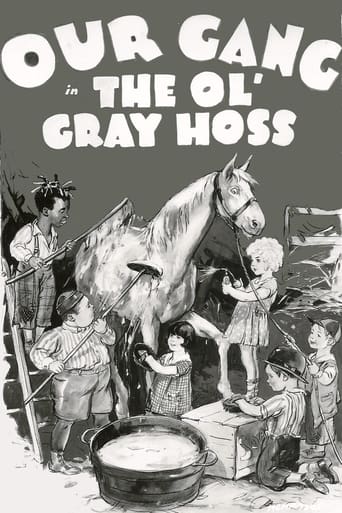
Titles linked here include The Ol' Gray Hoss (1928), The White Gorilla (1945).
When was Charles King born and when did he die?
Born February 21, 1886; died January 11, 1944.
What awards did Charles King win?
Charles King did not receive any major awards or nominations during his career, which was typical for character actors of his era who worked primarily in B-movies and serials.
What was Charles King's acting style?
King specialized in playing menacing villains with a distinctive physical presence characterized by his signature mustache and stern expression. He excelled at conveying villainy through both physical presence in silent films and his commanding voice in talkies.