

The Ol' Gray Hoss
"The gang helps him to maintain his job by sabotaging the other man's."
Keys: Space play/pause · ←/→ 10s · F fullscreen · M mute · </> speed
About this film
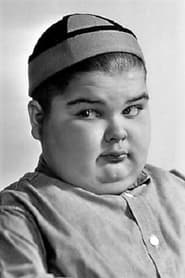
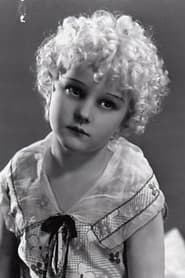
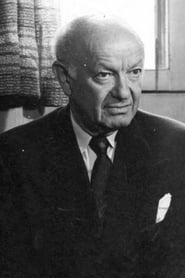
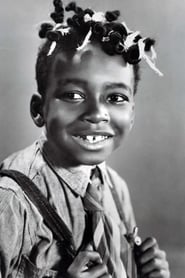
This story revolves around an old man who feels alone in the world aside from the gang who keeps him company and his old horse. He runs a horse and buggy business, but he has new competition: an auto taxi. The gang helps him to maintain his job by sabotaging the other man's.
Cast & crew
More films like this
More Comedy films
View all →







More from Robert A. McGowan
View all →
More about this film
About the production
Release dateMarch 17, 1928
BudgetNot documented - typical Hal Roach short production costs of approximately $25,000-$30,000 for the era
Box officeNot tracked for theatrical shorts in 1928
ProductionHal Roach Studios
Filmed inHal Roach Studios, Culver City, California
This was one of the last silent Our Gang shorts produced before the transition to sound. The film featured actual horse-drawn carriages and early automobiles, requiring careful coordination between animal handlers and auto mechanics. The production utilized the Hal Roach backlot's existing street sets to create the illusion of a small town transitioning to modern transportation.
Themes
Themes & topics
Historical background
The 1928 release of The Ol' Gray Hoss belongs to its era's exhibition habits rather than today's franchise model.
Why this film matters
Restorations and festival bookings keep The Ol' Gray Hoss visible among classic-film communities.
Making of
Production details for The Ol' Gray Hoss are sparse in surviving records. Direction is attributed to Robert A. McGowan.
What critics said
Press files from 1928 mention The Ol' Gray Hoss in roundup columns of what played that week.
Did you know?
- Directed by Robert A. McGowan.
- Production country: United States.
- Release year commonly listed as 1928.
- TMDB identifier: 233726.
Visual style
The cinematography for 'The Ol' Gray Hoss' was typical of Hal Roach Studios' late silent period, utilizing fixed camera positions for most scenes with occasional tracking shots to follow the action sequences. Director of photography Art Lloyd, who worked on many Our Gang films, employed natural lighting for the outdoor scenes to enhance the realistic feel of the street settings. The film makes effective use of deep focus to keep both the foreground action involving the children and background elements like passing vehicles in clear view. The contrast between the slow, steady movement of the horse-drawn carriage and the jerky, mechanical motion of the automobile was emphasized through careful camera placement and timing. The sabotage sequences feature multiple camera setups to capture the chaos from different angles, a technique that was becoming more sophisticated in late silent comedies. The film also includes several close-ups of the children's expressive faces, a hallmark of the Our Gang series that helped establish the emotional connection with audiences.
Innovations
While 'The Ol' Gray Hoss' did not feature groundbreaking technical innovations, it demonstrated the high level of craftsmanship that Hal Roach Studios had achieved in comedy production by 1928. The film's coordination of live animals, automobiles, and child actors required sophisticated timing and planning that reflected the studio's expertise in physical comedy. The production made effective use of the studio's existing backlot facilities, creating convincing urban environments that could accommodate both horse-drawn and motorized vehicles. The film's editing, particularly in the sabotage sequences, shows the increasing sophistication of silent comedy pacing, with rapid cuts used to heighten the comic effect. The studio's use of multiple camera setups for complex scenes was relatively advanced for short subjects of the period. The film also demonstrated effective use of props and practical effects to create visual gags, a hallmark of the Hal Roach comedy style. While not technically innovative compared to some of the larger features of 1928, the short represented the polished professionalism that made Hal Roach productions stand out in the comedy field.
Music
As a silent film, 'The Ol' Gray Hoss' did not have a recorded soundtrack but would have been accompanied by live musical performance in theaters. The typical theater orchestra or organist would have used cue sheets provided by Hal Roach Studios, suggesting appropriate music for various scenes. The score likely included jaunty, upbeat music for the children's antics, more sentimental melodies for scenes with Uncle John, and frantic, comical music during the sabotage sequences. The contrast between old and new technology might have been underscored with musical choices ranging from ragtime for the horse-drawn carriage scenes to more modern, mechanical-sounding motifs for the automobile sequences. Some theaters might have used popular songs of 1928 that fit the mood of particular scenes. The film's emotional moments would have been enhanced with slower, more lyrical musical passages, while the physical comedy would have been accompanied by the characteristic staccato rhythms common in silent comedy scoring.
Famous quotes
Silent film - no recorded dialogue, but intertitles included messages such as 'Uncle John needs our help!' and 'The taxi must be stopped!'
Memorable scenes
- The sequence where the gang creates a fake roadblock using barrels and boxes, forcing the taxi to take a detour through muddy terrain
- The scene where the children secretly remove spark plugs from the taxi while the driver is distracted
- The climactic race between the horse-drawn carriage and the sabotaged taxi, with the horse ultimately winning due to the children's interference
- The tender opening scene showing Uncle John's loneliness as he cares for his horse before the children arrive
- The montage of the gang's various unsuccessful attempts to disable the automobile, each failure leading to more elaborate schemes
What audiences thought
Patrons who saw The Ol' Gray Hoss during initial runs judged it alongside other silent film releases of the day.
Film connections
Influenced by
- Charlie Chaplin's sentimental comedies
- Harold Lloyd's everyman characterizations
- Buster Keaton's mechanical comedy
- Mack Sennett's slapstick traditions
- Previous Our Gang shorts
This film influenced
- Later Our Gang/The Little Rascals shorts featuring elderly characters
- Children's comedies with intergenerational themes
- Films about technological displacement
- Family comedies featuring child protagonists helping adults
Film restoration
The film survives in 16mm and 35mm prints through various archives, including the Museum of Modern Art and the UCLA Film and Television Archive. Some versions show varying degrees of deterioration, but the film is considered preserved and not lost. The Library of Congress holds a copy in their collection. The film has been included in several Our Gang compilation releases, though quality varies depending on the source material used.
Where to watch
- Available on some Our Gang DVD collections from public domain distributors
- Occasionally shown on classic film streaming services specializing in silent cinema
- Available through film archive screenings and special programming
- Some versions may be found on YouTube and other video platforms, though quality varies significantly