
Bobby 'Wheezer' Hutchins
Actor
Born: March 29, 1925 in Tacoma, Washington, USA Died: May 17, 1945 Active: 1927-1929 Birth Name: Robert E. Hutchins
Films
27 films

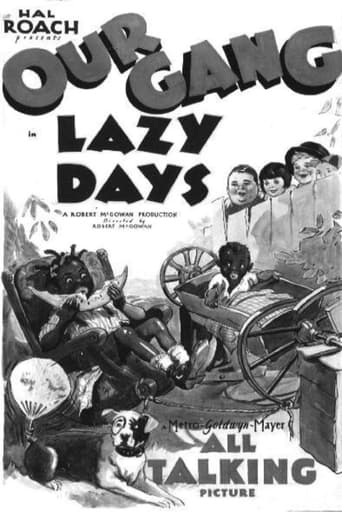
Moan & Groan, Inc.
1929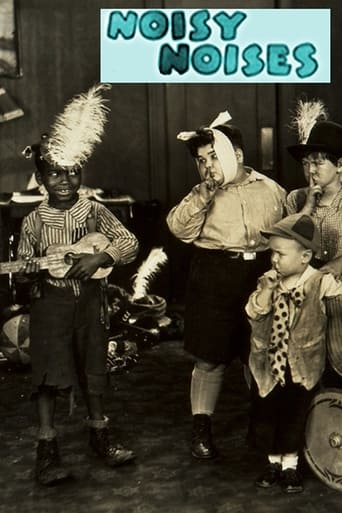
Noisy Noises
1929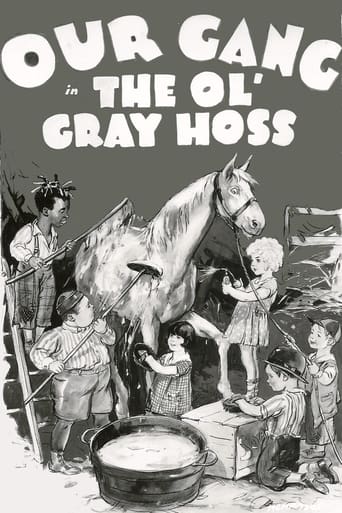
The Ol' Gray Hoss
1928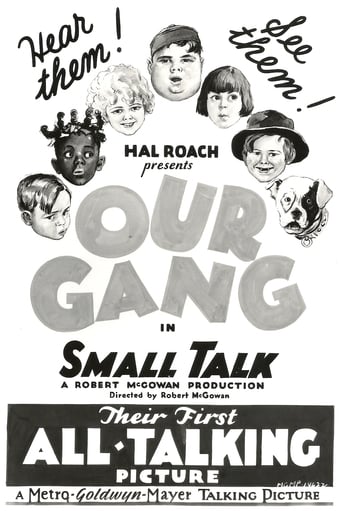
Small Talk
1929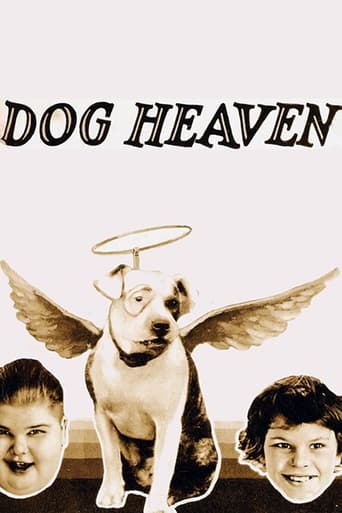
Dog Heaven
1927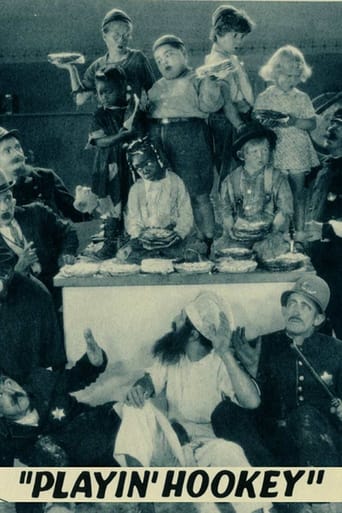
Playin' Hookey
1928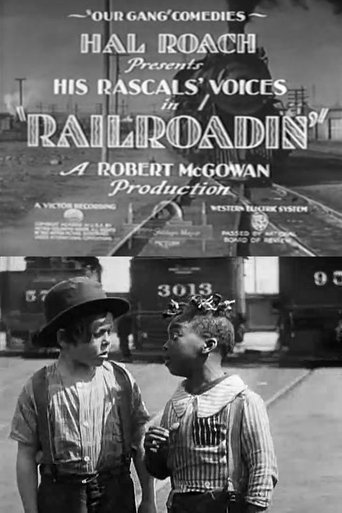
Railroadin'
1929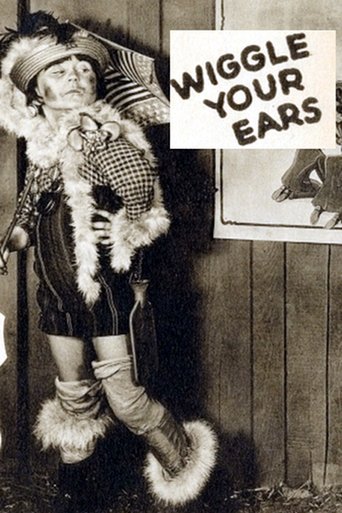
Wiggle Your Ears
1929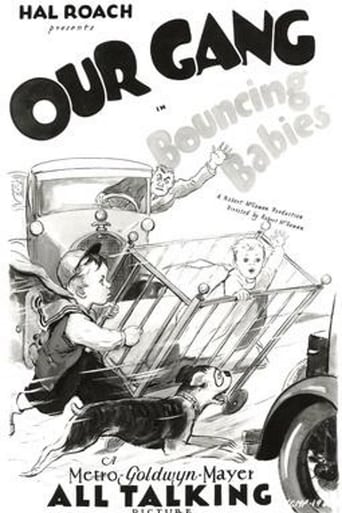
Bouncing Babies
1929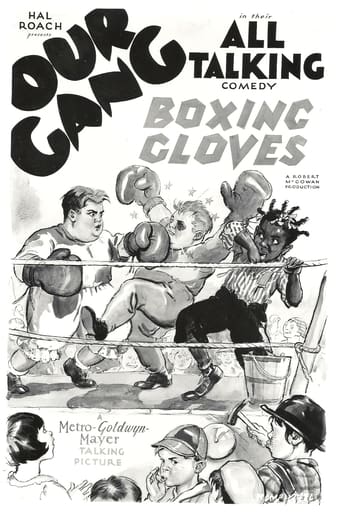
Boxing Gloves
1929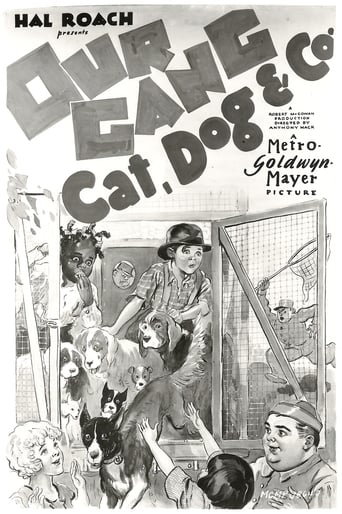
Cat, Dog & Co.
1929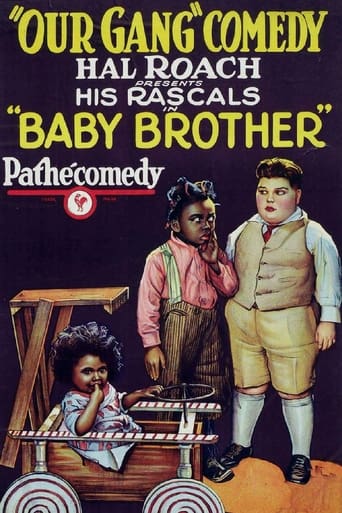
Baby Brother
1927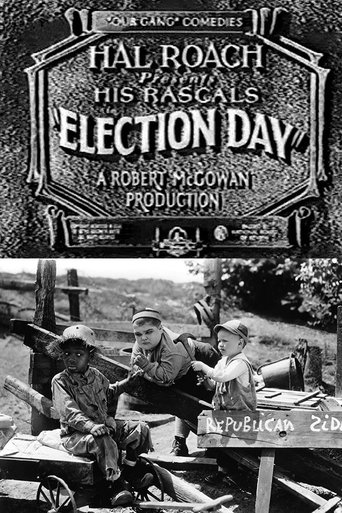
Election Day
1929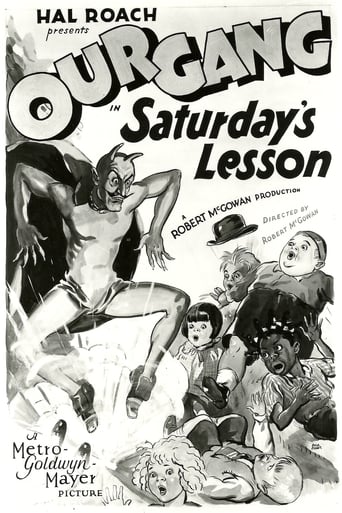
Saturday's Lesson
1929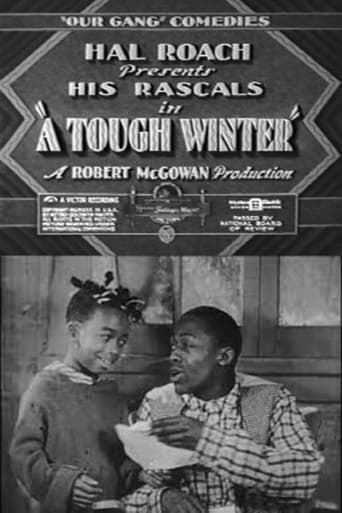
A Tough Winter
1930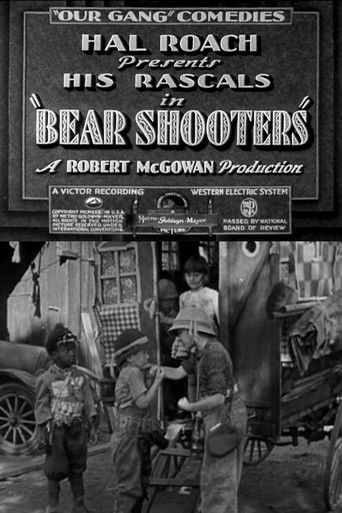
Bear Shooters
1930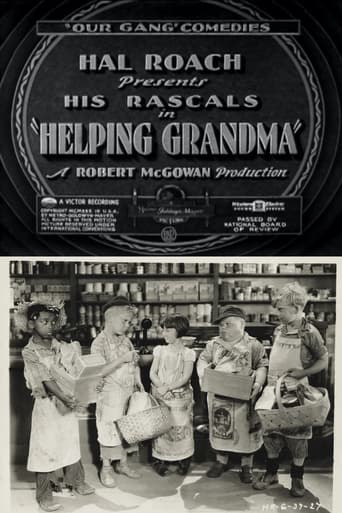
Helping Grandma
1931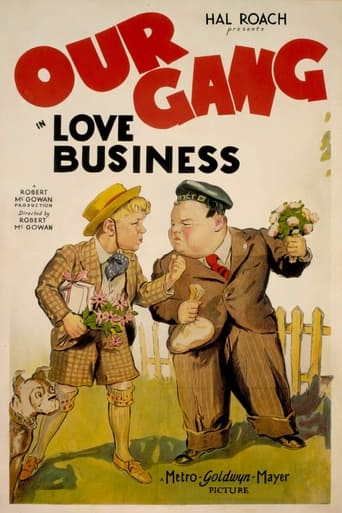
Love Business
1931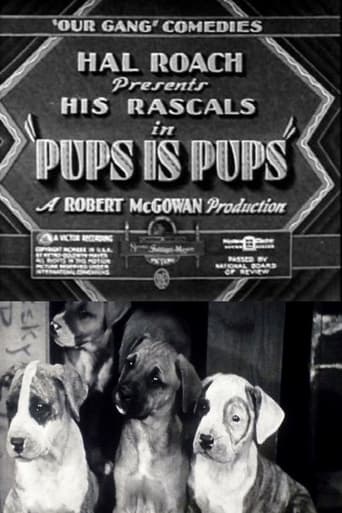
Pups Is Pups
1930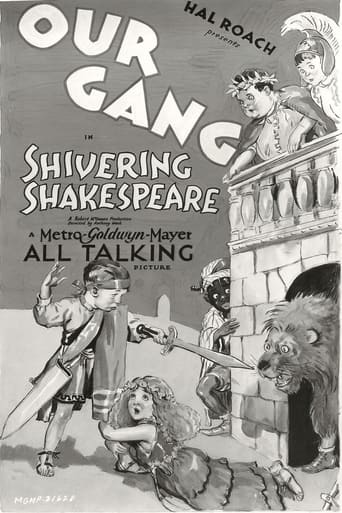
Shivering Shakespeare
1930
The First Seven Years
1930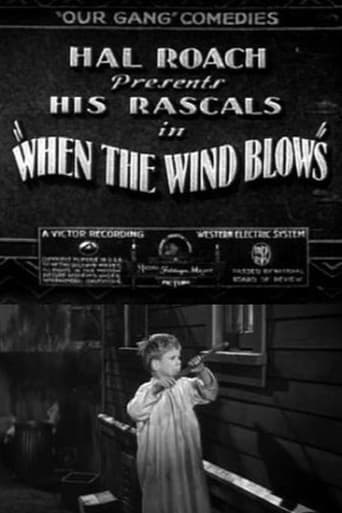
When the Wind Blows
1930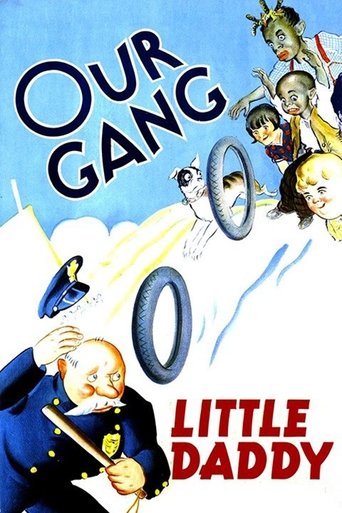
Little Daddy
1931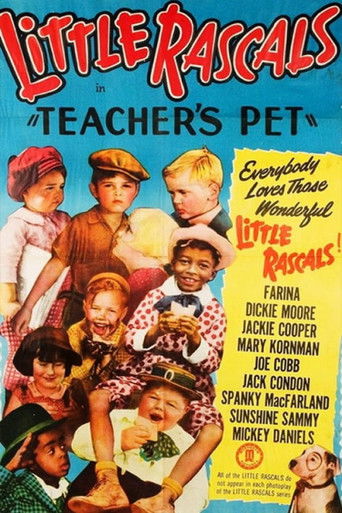
Teacher's Pet
1930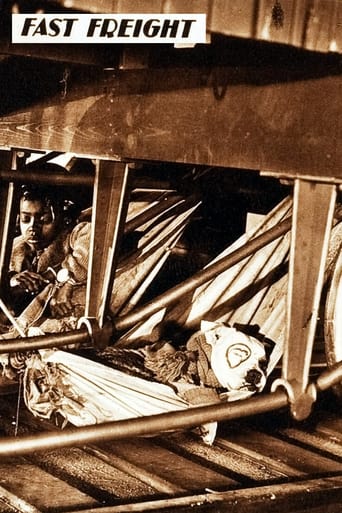
Fast Freight
1929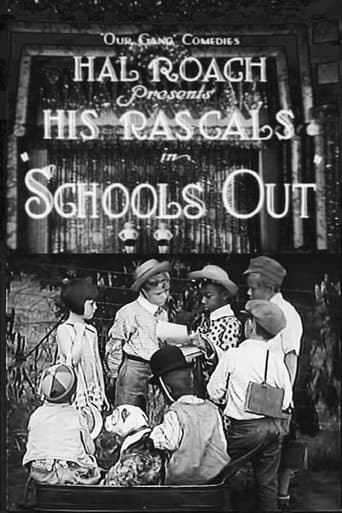
School's Out
1930About Bobby 'Wheezer' Hutchins
American child actor who rose to fame as a regular cast member of the Hal Roach Our Gang comedy series during the late silent era. Born Robert E. Hutchins in Tacoma, Washington, he joined the Our Gang troupe in 1927 at just two years old, quickly becoming a fan favorite with his distinctive cry and cherubic appearance. Hutchins earned his nickname 'Wheezer' from his characteristic high-pitched wailing and crying fits that became his trademark in the series. His tenure with Our Gang lasted from 1927 to 1929, appearing in 29 shorts during this period, establishing himself as recognizable child stars of the late silent era. After leaving the series, Hutchins largely stepped away from acting and lived a relatively normal childhood, unlike many child stars of his era. Tragically, his life was cut short when he joined the Army Air Forces during World War II and died in a training accident at the age of 20, just months before the war ended.
The Craft
On Screen
Naturalistic child performance characterized by authentic emotional reactions, particularly his distinctive high-pitched crying fits that became his signature. His style was untrained but genuine, embodying the Hal Roach philosophy of capturing real childhood behavior rather than coached performances.
Milestones
- Joined Our Gang cast at age 2 in 1927
- Appeared in 29 Our Gang shorts over three years
- Became
- Developed signature 'Wheezer' cry that became his trademark
- Left show business at age 4 to return to normal childhood
Best Known For
Iconic Roles
Must-See Films
Accolades
Special Recognition
- Honored as part of the Our Gang legacy in film history
Working Relationships
Worked Often With
Studios
Why They Matter
Impact on Culture
Bobby 'Wheezer' Hutchins represents the authentic child performance aesthetic that defined the Our Gang series and influenced generations of child actors. His genuine emotional reactions and naturalistic style helped establish the template for realistic child performances in cinema, moving away from the overly theatrical child acting common in earlier films. The Our Gang series, with Hutchins as a key member, became.
Lasting Legacy
Though his career was brief, Bobby 'Wheezer' Hutchins remains an iconic figure in the history of American comedy cinema. As part of the Our Gang legacy, his performances have been preserved and rediscovered by new generations through television syndication and home video releases. His tragic death during World War II adds a poignant chapter to his story, making him not just a piece of film history but also a representative of the many young lives lost during that global conflict. The Our Gang films featuring Hutchins continue to be studied by film scholars for their innovative approach to capturing authentic childhood behavior on screen.
Who They Inspired
Hutchins and his Our Gang co-stars influenced subsequent child actors and family entertainment by demonstrating that authentic childhood behavior could be more compelling than coached performances. The naturalistic style he embodied became increasingly influential in family films and television shows throughout the 20th century. The Our Gang formula that he helped perfect influenced later family comedy series from The Little Rascals television show to modern family sitcoms featuring child performers.
Off Screen
Robert Hutchins was born to a working-class family in Tacoma, Washington. After his brief but memorable acting career, he returned to a normal life away from Hollywood, attending regular schools and growing up like any other child of his generation. He married his sweetheart before joining the military service during World War II. His death in a military training accident cut short what might have been a long and full life.
Education
Regular public school education after leaving acting; no formal acting training
Family
- Unknown spouse (married before 1945)
Did You Know?
- Earned his nickname 'Wheezer' from his distinctive high-pitched crying fits in films
- Was only two years old when he joined the Our Gang cast
- Appeared in 29 Our Gang shorts during his three-year tenure
- Left show business at age 4, one of the youngest actors to retire from the industry
- His crying was so authentic that audiences often believed he was genuinely upset during filming
- Died in a military training accident just months before World War II ended
- Was one of the few Our Gang members to leave the series voluntarily rather than being replaced
- His performances were entirely in the silent era, though some of his later shorts had synchronized sound
- The Our Gang series was later retitled 'The Little Rascals' for television syndication
- Despite his fame, he lived a relatively anonymous life after leaving acting
In Their Own Words
His famous 'wheeze' cry became his trademark - though no actual quotes are recorded from him as he was too young during his acting career to have memorable dialogue
Frequently Asked Questions
Who was Bobby 'Wheezer' Hutchins?
American child with credits in this catalog. He earned his nickname from his distinctive high-pitched crying fits and appeared in 29 shorts during his brief but memorable career.
What films is Bobby 'Wheezer' Hutchins best known for?
Titles linked here include Dog Heaven (1927), Baby Brother (1927).
When was Bobby 'Wheezer' Hutchins born and when did he die?
Born March 29, 1925; died May 17, 1945.
What awards did Bobby 'Wheezer' Hutchins win?
During his lifetime, Hutchins did not receive formal awards or nominations, as child actors in the silent era rarely received such recognition. However, he is honored as part of the enduring legacy of the Our Gang series in film history.
What was Bobby 'Wheezer' Hutchins' acting style?
Hutchins' acting style was naturalistic and authentic, characterized by genuine emotional reactions rather than coached performances. His signature high-pitched crying fits became his trademark, embodying the Hal Roach philosophy of capturing real childhood behavior on film.
Why did Bobby 'Wheezer' Hutchins leave acting?
Hutchins left acting at age 4 in 1929, making him one of the youngest actors to retire voluntarily from show business. His parents wanted him to experience a normal childhood away from the pressures of Hollywood, a decision that proved beneficial for his development.
How did Bobby 'Wheezer' Hutchins die?
Hutchins died on May 17, 1945, while serving as a member of the Army Air Forces during World War II. He was killed in a mid-air collision during a training mission at Merced Army Air Field in California, just months before the war concluded.