

Baby Brother
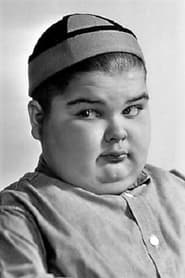
"Joe Cobb of Our Gang tries to buy a baby brother."
Keys: Space play/pause · ←/→ 10s · F fullscreen · M mute · </> speed
About this film
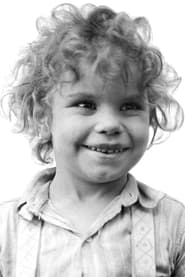
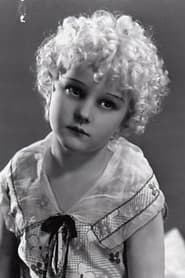
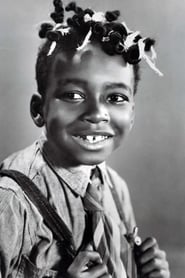
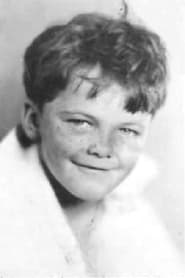
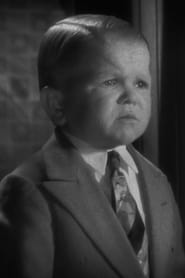
Joe Cobb is a wealthy child who longs for a baby brother. His nursemaid takes him to the other side where he meets some kids his age (the rest of Our Gang) where Joe offers three dollars for a baby. Farina finds a fellow African-American neighbor woman who lets him mind her infan.
Cast & crew
More Comedy films
View all →






More from Robert A. McGowan
View all →
More about this film
About the production
Release dateMarch 12, 1927
Box officeNot tracked for short films in this era
ProductionHal Roach Studios
Filmed inHal Roach Studios, Culver City, California
Filmed during the transition period when Hal Roach was expanding the Our Gang series. The production utilized the studio's standing sets representing working-class neighborhoods. The baby painting scene, while controversial by modern standards, was filmed using edible white flour and was carefully supervised to ensure child safety.
Themes
Childhood innocenceClass differencesFamily and sibling relationshipsRacial attitudes of the 1920sCommercialization of childhood
Themes & topics
Our Gangsilent filmchildren's comedybabyracial humorclass differencesassembly linefamilyfriendship1920s
Historical background
Baby Brother (1927) reached screens through Hal Roach Studios. Exhibitors of the time built silent-era bills that mixed shorts, features, and live acts, so a clear premise helped Baby Brother travel between cities and exchange markets.
Why this film matters
Archivists and revival programmers still cite Baby Brother (1927) when tracing studio habits, casting pools, and the visual rhetoric audiences once took for granted. Even modest surviving prints help map how Baby Brother fit beside competing releases of its day.
Making of
The production of 'Baby Brother' followed Hal Roach's typical approach to Our Gang shorts, allowing children significant creative freedom within structured scenarios. Director Robert A. McGowan, known for his ability to work with child actors, often captured spontaneous moments of genuine comedy. The baby painting sequence required multiple takes as the child actors found the situation genuinely amusing. The assembly-line sequence was choreographed to maximize physical comedy while ensuring the safety of all infant performers. The film was shot quickly, as most Our Gang shorts were completed in 2-3 days of filming, with extensive use of natural lighting on the studio's outdoor sets.
What critics said
Trade coverage around 1927 discussed Baby Brother for pacing, clarity, and program fit rather than blockbuster grosses. Later writers value it as evidence of period style and as a reference point beside other films from the same era.
Did you know?
- This was one of the early Our Gang shorts featuring Joe Cobb as the wealthy character, a recurring role he played
- The baby painting scene using flour was considered harmless comedy at the time but is now viewed as racially insensitive
- Allen Hoskins (Farina) was one of the original cast members and appeared in more Our Gang shorts than any other actor
- The film was released during the peak of the silent era, just before the transition to sound began
- Jackie Condon, who appears in the production, was one of the few gang members to appear in both silent and sound Our Gang episodes
- Jean Darling was one of the few female members of the gang during this early period
- The assembly-line baby care sequence was a parody of industrialization and mass production common in 1920s America
- Director Robert A. McGowan often worked under the pseudonym Anthony Mack
- This short was part of the 1926-27 season which included 30 Our Gang productions
- The film highlights the gang's signature improvisational style, with many scenes featuring genuine child reactions
Visual style
The film employs standard silent era cinematography techniques typical of Hal Roach productions. The visual style features static medium shots with occasional close-ups for emotional emphasis. The outdoor scenes utilize natural lighting to create a warm, authentic feel. The camera work during the assembly-line sequence uses wider shots to capture the chaotic action, while the baby painting scene uses closer framing to highlight the comedic details. The black and white photography creates strong contrasts that enhance the visual comedy.
Innovations
While not groundbreaking technically, the film demonstrates the efficient production methods developed by Hal Roach Studios for comedy shorts. The use of standing sets and rapid filming schedules allowed for economical production without sacrificing quality. The coordination of multiple child actors and infants in the assembly-line sequence required careful planning and execution, showcasing the studio's expertise in managing complex comedic scenarios.
Music
As a silent film, 'Baby Brother' would have been accompanied by live musical performances in theaters. Typical theater orchestras would have used compiled scores featuring popular songs of the era and classical pieces appropriate to the action. The music would have been synchronized to enhance the comedic timing and emotional moments. No original composed score exists for this short, as was common for studio comedy shorts of the period.
Famous quotes
Joe Cobb: 'I'll give three dollars for a baby brother!'
Farina: 'I got just what you need - fresh and ready!'
Assembly line sequence: Various intertitles describing the baby care process
Memorable scenes
- The baby painting sequence where Farina transforms the dark-skinned infant into a 'white baby' using flour, the elaborate assembly-line baby care system with each gang member performing specific tasks, Joe Cobb's initial announcement that he wants to buy a baby brother, the chaos that ensues when multiple babies are being cared for simultaneously, the final reveal of the baby's true identity
What audiences thought
The Our Gang shorts were enormously popular with audiences in the 1920s, with children and adults alike enjoying the natural comedy and relatable childhood scenarios. 'Baby Brother' would have been well-received by theater audiences as part of a typical double bill program. The series developed a loyal following that would sustain it through the transition to sound and continue for decades. Modern audiences often discover these shorts through television reruns and home video, with reactions ranging from nostalgic appreciation to critical examination of dated elements.
Film connections
Influenced by
- Charlie Chaplin's child comedies
- Harold Lloyd's everyday situations
- Fatty Arbuckle's comedy style
- Contemporary vaudeville routines
This film influenced
- Later Our Gang shorts
- The Little Rascals television series
- Modern children's ensemble comedies
- Family sitcoms featuring diverse casts
Film restoration
The film survives in 16mm and 35mm prints through various archives. It has been preserved by the UCLA Film and Television Archive and is part of the Library of Congress collection. Several restored versions exist, including those released on home video. The film is not considered lost and is accessible through various classic film collections.
Where to watch
- The film is available in The Little Rascals: The Complete Collection DVD set
- Can be found on various streaming platforms specializing in classic films
- Available through some public domain collections
- Accessible through film archive websites and classic cinema streaming services
- Included in some Our Gang compilation releases