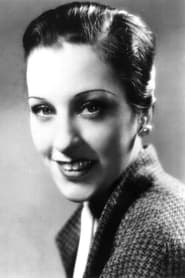
Anita Garvin
Actor
Born: July 11, 1907 in New York City, New York, USA Died: July 7, 1994 Active: 1926-1929 (primary), with occasional later appearances Birth Name: Anita Frances Garvin
Films
16 films
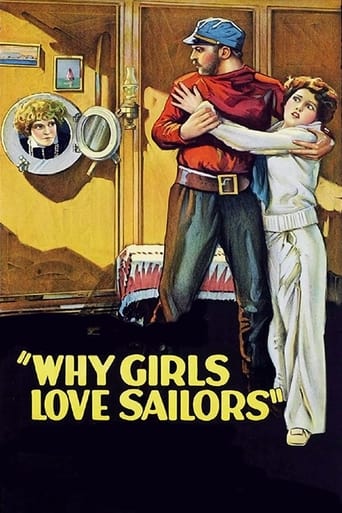
Why Girls Love Sailors
1927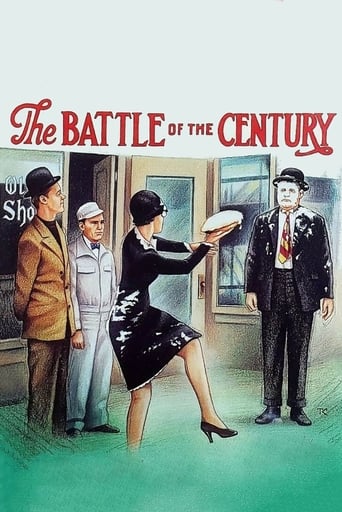
The Battle of the Century
1927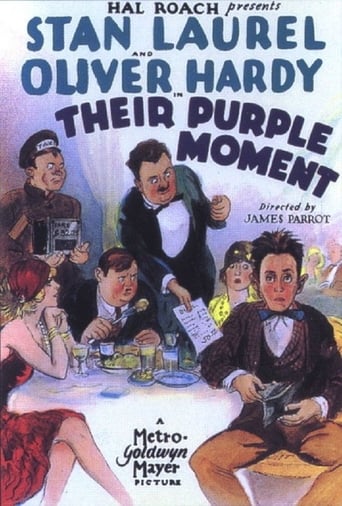
Their Purple Moment
1928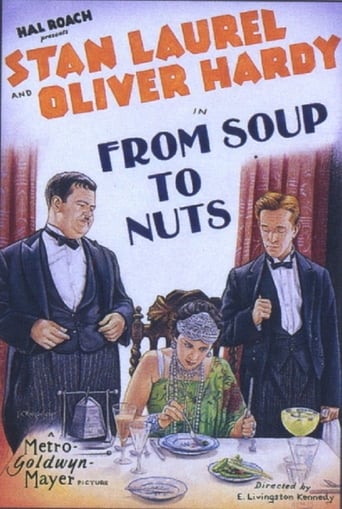
From Soup to Nuts
1928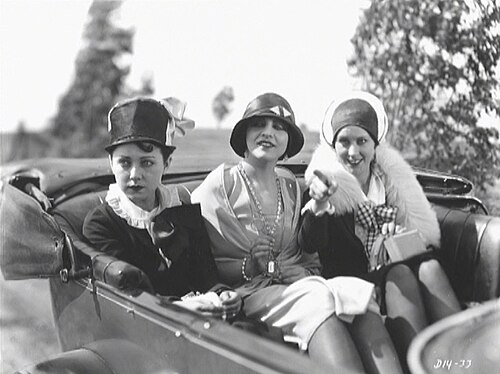
Feed 'em and Weep
1928No Poster
Going Ga-Ga
1929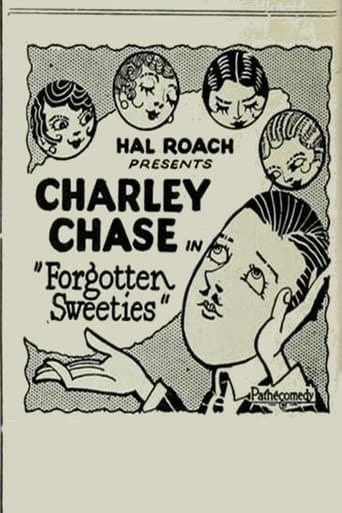
Forgotten Sweeties
1927
Sailors, Beware!
1927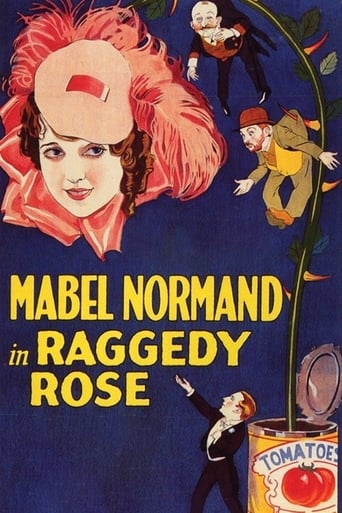
Raggedy Rose
1926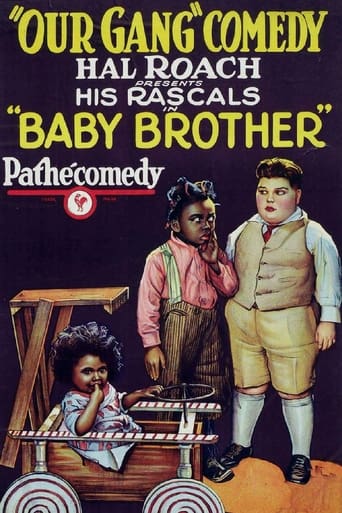
Baby Brother
1927
Never the Dames Shall Meet
1927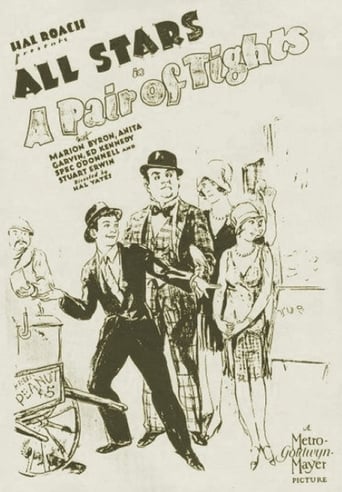
A Pair of Tights
1929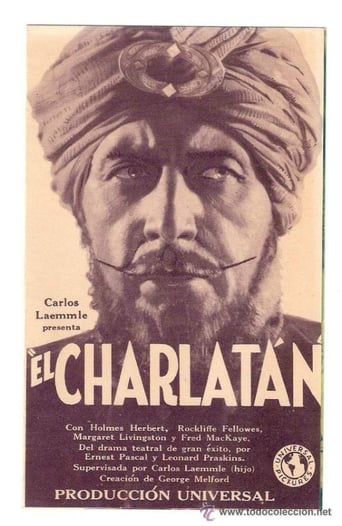
The Charlatan
1929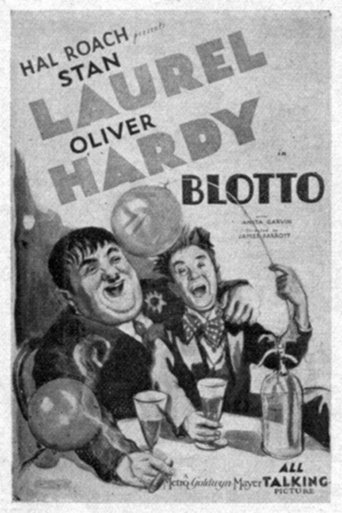
Blotto
1930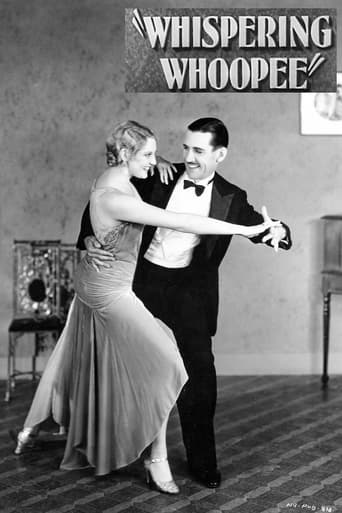
Whispering Whoopee
1930About Anita Garvin
Prominent comedy actress of the late silent era, best known for her work with Hal Roach Studios where she became reliable supporting players in comedy shorts. Born in New York City in 1907, she began her film career in the mid-1920s and quickly established herself as a versatile comedic performer with a distinctive screen presence. Garvin possessed remarkable timing and a flair for physical comedy, which made her an ideal foil for many of the era's greatest comedians. Her most significant contributions came through her collaborations with Laurel and Hardy, Charley Chase, and Max Davidson, where she often played sophisticated yet comically frustrated female characters. Anita appears in over 70 films between 1926 and 1929, with her performance in 'The Battle of the Century' (1927) featuring one of cinema's most famous pie fights. After marrying acclaimed director Leo McCarey in 1933, she largely retired from acting, though she would occasionally appear in small roles in her husband's films. Garvin's career, though brief, on silent comedy, and she remained a beloved figure among classic film enthusiasts until her death in 1994.
The Craft
On Screen
Anita Garvin was known for her sophisticated yet approachable comedic style, often playing society women or frustrated romantic interests with impeccable timing and expressive facial work. She excelled at physical comedy while maintaining an air of elegance, creating a unique contrast that enhanced the humor in her scenes. Her ability to react to comedic situations with genuine exasperation rather than exaggerated mugging made her performances feel authentic and relatable.
Milestones
- Signed with Hal Roach Studios in 1926 as a contract player
- Starred in 'The Battle of the Century' (1927) featuring cinema's most famous pie fight
- Became a regular supporting player in Laurel and Hardy comedies
- Appeared in over 70 films during her four-year peak period
- Married Academy Award-winning director Leo McCarey in 1933
Best Known For
Iconic Roles
Must-See Films
Accolades
Special Recognition
- Recognized by film historians as
- Featured in numerous documentary retrospectives about Hal Roach Studios and silent comedy
Working Relationships
Worked Often With
Studios
Why They Matter
Impact on Culture
Anita Garvin played a significant role in shaping the landscape of silent comedy, particularly through her work at Hal Roach Studios where she helped establish the template for female comedy supporting roles. Her performances demonstrated that women could be both glamorous and genuinely funny, breaking from the stereotype of female characters being merely romantic foils. The pie fight scene in 'The Battle of the Century,' in which she participated, became. Her work with Laurel and Hardy helped define their comedic dynamic, as her reactions to their antics provided the perfect counterbalance to their slapstick. Garvin's legacy lives on through film preservation efforts and the continued appreciation of silent comedy by new generations of film enthusiasts.
Lasting Legacy
Anita Garvin's legacy endures as. Her performances continue to be celebrated in film festivals and retrospectives dedicated to silent comedy, where she is often cited as an exemplar of sophisticated comedic timing. The preservation of Hal Roach comedies has ensured that her work remains accessible to modern audiences, influencing contemporary comedy performers who study the techniques of silent film masters. Film historians recognize her as a crucial contributor to the golden age of comedy shorts, and her name is frequently mentioned alongside other legendary supporting players of the era. Her marriage to Leo McCarey also connects her legacy to one of Hollywood's most acclaimed directors, making her a fascinating figure in Hollywood history.
Who They Inspired
Anita Garvin influenced subsequent generations of comedy actresses through her demonstration that female characters could be both sophisticated and genuinely funny without resorting to broad caricature. Her naturalistic approach to comedic frustration and her ability to maintain dignity while participating in slapstick sequences provided a template for later comedy performers. Modern comedy actresses who study silent film often cite Garvin's work as an example of subtle, character-driven comedy that transcends the limitations of silent film technology. Her performances in Laurel and Hardy films particularly influenced how female supporting roles would be approached in comedy teams throughout film history.
Off Screen
Anita Garvin married acclaimed film director Leo McCarey in 1933, a union that lasted until McCarey's death in 1969. The couple had three children together: Leo Jr., Thomas, and Mary. Her marriage to McCarey effectively ended her acting career, though she occasionally appeared in uncredited roles in his films. After McCarey's death, she lived a relatively private life in California, remaining connected to the film community through classic film events and reunions. She was known among her colleagues as gracious and humble, rarely discussing her brief but significant career in silent comedy.
Education
Limited information available, likely educated in New York City before entering films
Family
- Leo McCarey (1933-1969)
Did You Know?
- She appeared in over 70 films in just four years (1926-1929), an incredibly prolific output
- The famous pie fight in 'The Battle of the Century' (1927) used 4,000 pies and took three days to film
- She was one of the few actresses who could successfully transition between working with different comedy stars at Hal Roach Studios
- Despite her success, she was only 22 years old when she effectively retired from acting
- Her husband Leo McCarey won three Academy Awards for Best Director
- She was paid $75 per week at Hal Roach Studios, a good salary for a supporting actress in the 1920s
- Many of her films were considered lost until recent decades when archives rediscovered them
- She was known on set for her professionalism and ability to perform her own stunts
- After retiring from films, she became an accomplished painter
- She attended many Laurel and Hardy fan conventions in her later years and was beloved by fans
In Their Own Words
In silent films, you had to say everything with your eyes and your body. Words would have just gotten in the way.
Working with Stan and Ollie was like being part of a perfect machine. Every piece had to work exactly right.
The pie fight was messier than you can imagine, but it was also the most fun I ever had making a movie.
Frequently Asked Questions
Who was Anita Garvin?
Prominent American comedy actress of the late silent era, best known for her work with Hal Roach Studios. She appeared in over 70 films between 1926 and 1929, frequently working with comedy legends like Laurel and Hardy, Charley Chase, and Max Davidson.
What films is Anita Garvin best known for?
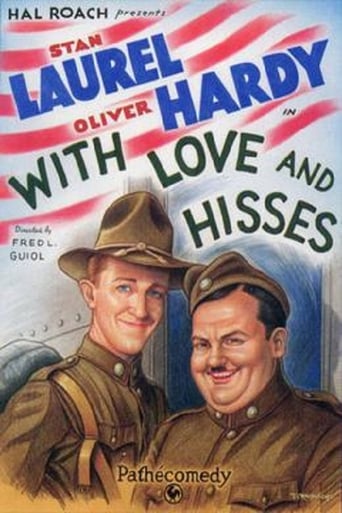
Titles linked here include The Battle of the Century (1927), With Love and Hisses (1927).
When was Anita Garvin born and when did she die?
Born July 11, 1907; died July 7, 1994.
What awards did Anita Garvin win?
Anita Garvin did not receive any major awards during her career, as she was primarily a supporting actress in comedy shorts during the silent era. However, she is recognized by film historians as.
What was Anita Garvin's acting style?
Garvin was known for her sophisticated yet approachable comedic style, often playing elegant society women with impeccable timing and expressive reactions. She excelled at physical comedy while maintaining an air of dignity, creating a unique contrast that enhanced the humor in her scenes.
Why did Anita Garvin's career end so early?
Her career effectively ended when she married acclaimed director Leo McCarey in 1933. It was common for actresses of that era to retire upon marriage, particularly when marrying into Hollywood's upper echelons. She was only 26 when she married and chose to focus on family life.
Did Anita Garvin work in sound films?
While her primary career was in silent films, she did appear in a few early sound productions and made occasional uncredited appearances in her husband Leo McCarey's films. However, she never achieved the same level of prominence in sound cinema as she had in silent comedies.
How is Anita Garvin remembered today?
Today she is remembered by classic film enthusiasts as a talented comedy actress who made significant contributions to silent comedy. Her work continues to be celebrated through film preservation, retrospectives, and the enduring popularity of the Laurel and Hardy films in which she appeared.