
Feed 'em and Weep
"Waitresses at a train-station diner face a rush-hour riot."
Keys: Space play/pause · ←/→ 10s · F fullscreen · M mute · </> speed
About this film
Anita and Marion take a temporary job as waitresses in Max's diner, next to a train station. When the train stops off, pandemonium erupts when the passengers fill the diner and all want meals immediately. only survived in parts.
Cast & crew
More films like this
More Comedy films
View all →







More from Fred Guiol
View all →
More about this film
About the production
Release dateJune 16, 1928
ProductionHal Roach Studios
Filmed inHal Roach Studios, Culver City, California
This was a typical two-reel comedy short produced during Hal Roach's most prolific period. The film was shot on studio sets designed to resemble a train station diner, a common setting for Roach's comedy shorts. The production utilized the studio's stock company of character actors and followed Roach's formula of escalating chaos in confined spaces. The film was likely shot in just a few days, as was standard for comedy shorts of this era.
Themes
Workplace comedyChaos and orderTime pressureService industryTravel and transportation
Themes & topics
restauranttrain stationwaitresseschaoscomedy of errorstime pressurecustomersfood servicephysical comedysilent film
Historical background
Feed 'em and Weep (1928) survives in catalogs and archives as a record of late silent cinema.
Why this film matters
Scholars and collectors reference Feed 'em and Weep when discussing how late silent cinema filmmakers addressed popular themes.
Making of
The production of 'Feed 'em and Weep' followed the efficient assembly-line approach that Hal Roach Studios had perfected for comedy shorts. The film was likely shot in two to three days on pre-built sets that could be quickly modified for different scenarios. Director Fred Guiol, who had an extensive background in comedy timing and visual gags, would have worked closely with the cast to choreograph the increasingly chaotic sequences. The restaurant setting allowed for multiple simultaneous comedic actions, a technique Roach frequently employed to maximize entertainment value in short running times. The cast, all experienced comedy performers, would have contributed to the gags through improvisation during filming, a common practice at Roach Studios.
What critics said
Trade coverage around 1928 discussed Feed 'em and Weep in terms of craft and audience appeal rather than blockbuster scale.
Did you know?
- This film is one of the many Hal Roach comedy shorts from the silent era that has survived only in fragments, with significant portions of the original footage lost.
- Director Fred Guiol was a key collaborator with both Laurel and Hardy and directed many of their early shorts before they became a permanent team.
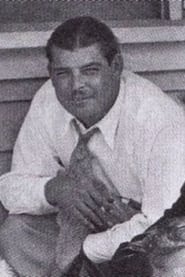
- Max Davidson was widely recognized character actors of the silent era, known for his portrayals of Jewish fathers and shopkeepers in over 200 films.
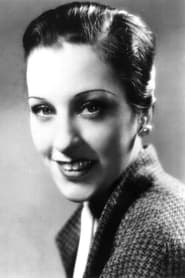
- Anita Garvin was one of the few actresses who successfully made the transition from silent to sound films, continuing to work in comedy through the 1930s.
- Marion Byron was often cast as the 'second banana' to more prominent female comedians at Hal Roach Studios.
- The film was released just months before the advent of sound completely changed the comedy film landscape.
- Train station and restaurant settings were extremely popular in silent comedy shorts due to their natural potential for physical comedy and crowd scenes.
- Hal Roach Studios was known as 'The Lot of Fun' and produced more comedy shorts than any other studio during the silent era.
- The film was likely part of a series of shorts featuring the same cast members in different occupations and situations.
- 1928 was a transitional year in cinema, with many studios still producing silent shorts while simultaneously experimenting with sound technology.
Visual style
The cinematography would have been typical of Hal Roach shorts of the period, utilizing stationary cameras with occasional tracking shots to follow the action. The confined restaurant setting would have required careful camera placement to capture the multiple simultaneous comedic actions. Lighting would have been bright and even, standard for comedy shorts of the era. The cinematographer would have focused on ensuring that physical gags and facial expressions were clearly visible to the audience. Any surviving footage would show the characteristic high-key lighting and simple compositions that defined late silent comedy photography.
Innovations
The film doesn't appear to have introduced any significant technical innovations, representing instead the refinement of existing silent comedy techniques. The technical achievement lies in the choreography of complex crowd scenes and the timing of multiple simultaneous gags within the confined space. The production would have utilized the standard 35mm film format and camera equipment of the period. The film's survival, even in fragments, represents an achievement in film preservation, allowing modern audiences to glimpse at least part of this typical Roach Studios production.
Music
As a silent film, 'Feed 'em and Weep' would have been accompanied by live musical performance in theaters. The score would have been compiled from standard photoplay music libraries, with selections chosen to match the on-screen action. Upbeat, energetic pieces would accompany the chaotic sequences, while slower tempo music might be used for establishing shots. The theater's organist or pianist would have had discretion in choosing appropriate music, though studios sometimes provided cue sheets. No original musical score survives, as was typical for shorts of this period.
Famous quotes
No dialogue survives as this is a silent film with no intertitles documented
Memorable scenes
- The chaotic sequence when the train passengers overwhelm the diner, with waitresses scrambling to serve multiple tables simultaneously while food and orders fly in every direction
What audiences thought
Audiences in 1928 would have received this short as part of a typical theater program, which might include a feature film, newsreel, and several comedy shorts. Hal Roach productions were popular with theater owners and audiences alike for their consistent quality and reliable laughs. The familiar faces of Garvin, Byron, and Davidson would have been welcome attractions to regular moviegoers. The relatable scenario of restaurant chaos would have resonated with urban audiences who frequented similar establishments. The film likely provided the expected entertainment value for its 20-minute runtime, though audience reactions are not specifically documented in available sources.
Film connections
Influenced by
- Mack Sennett comedies
- Charlie Chaplin's restaurant scenes
- Buster Keaton's technical comedy
- Harold Lloyd's everyday situations
This film influenced
- Later restaurant comedy shorts
- Three Stooges food service routines
- I Love Lucy restaurant episodes
- Modern sitcom restaurant chaos scenes
Film restoration
The film survives only in fragments, with significant portions of the original 20-minute runtime lost. This incomplete survival status is typical for many silent comedy shorts, particularly those from secondary series that weren't considered as important as major features for preservation. The surviving footage is held in film archives, though it's not generally available for public viewing. The incomplete nature of the surviving material makes it difficult to fully appreciate the film's original comedic construction and pacing.
Where to watch
- Due to its fragmentary survival status, the film is not commercially available. Surviving fragments may occasionally be shown at specialized silent film festivals or academic screenings. The film is not currently available on any streaming platforms or home video releases.