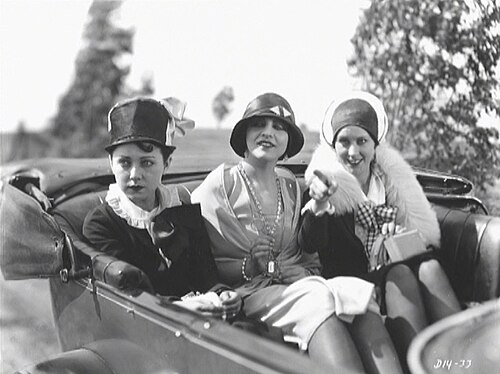
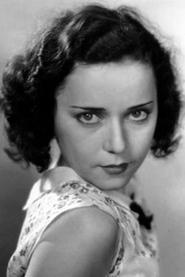
Marion Byron
Actor
Born: March 16, 1911 in Dayton, Ohio, USA Died: July 5, 1985 Active: 1928-1937 Birth Name: Marion B. Bimberg
Films
6 films
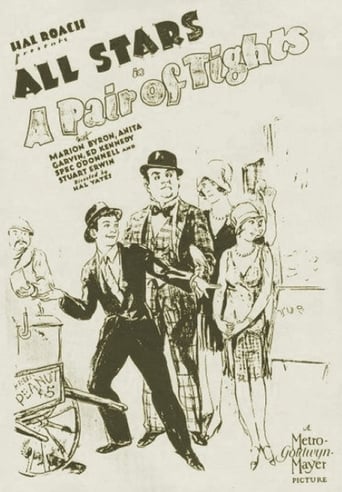
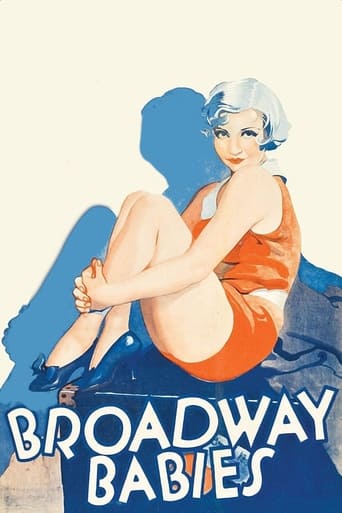

About Marion Byron
American actress who rose to prominence during the transition from silent films to talkies in the late 1920s. Born Marion B. Bimberg in Ohio, she began her career as a teenager and quickly established herself as a talented comedic performer with a distinctive screen presence and diminutive stature. Her most notable work came during her brief but productive period at Hal Roach Studios, where she appeared in several comedy shorts and feature films, often playing alongside established stars like Buster Keaton. Byron's career peaked in 1928-1929 with appearances in significant films including 'Steamboat Bill, Jr.' and 'Broadway Babies,' showcasing her ability to adapt to both silent and early sound productions. Like many actors of her era, her career trajectory changed with the full transition to sound, though she continued to appear in films throughout the 1930s in increasingly smaller roles. She eventually retired from acting and married director Lloyd Corrigan, living a relatively private life away from Hollywood's spotlight until her death in 1985.
The Craft
On Screen
Marion Byron was known for her energetic comedic performances, utilizing her petite stature and expressive face to great effect in physical comedy. She excelled in both slapstick situations and verbal wit, making her particularly valuable during the transition from silent to sound films. Her acting style incorporated broad gestures and timing that worked well in both mediums, allowing her to maintain relevance when many silent-era actors struggled with the transition to talkies.
Milestones
- Breakthrough role at Hal Roach Studios (1928)
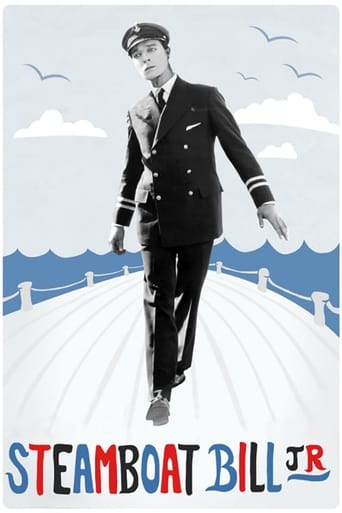
- Co-starred with Buster Keaton in Steamboat Bill, Jr. (1928)
- Featured in Broadway Babies with Ann Dvorak (1929)
- Transition from silent films to early talkies
- Married director Lloyd Corrigan (1937)
Best Known For
Iconic Roles
Must-See Films
Working Relationships
Worked Often With
Studios
Why They Matter
Impact on Culture
Marion Byron represents the transitional period of Hollywood cinema, embodying the challenges and opportunities faced by actors moving from silent films to talkies. Her work at Hal Roach Studios contributed to the golden age of comedy shorts, a format that trained many future stars. Though her career was brief, her performances in films like 'Steamboat Bill, Jr.' have been preserved as part of cinema history, offering modern audiences glimpses into the comedic styles of the late 1920s. Her ability to successfully transition between mediums demonstrated the adaptability required during this revolutionary period in film history.
Lasting Legacy
Marion Byron's legacy lies primarily in her contribution to late 1920s comedy cinema, particularly her work in preserving the art of physical comedy during the transition to sound. While she never achieved stardom on the level of her contemporaries, her performances in notable films continue to be studied by film historians interested in the era's comedic techniques. Her career serves as an example of the many talented actors who populated Hollywood's supporting ranks during the golden age, contributing significantly to films' success while never achieving top billing. Her marriage to Lloyd Corrigan also connects her legacy to an important figure in Hollywood's directorial community.
Who They Inspired
Byron's influence was primarily through her example as a successful transitional actress, demonstrating how comedic performers could adapt their skills from silent to sound films. Her work at Hal Roach Studios contributed to the training ground that produced many future comedy stars, though specific direct influences on other performers are not well documented. Her ability to balance physical comedy with emerging dialogue requirements provided a template for other actors facing similar challenges during the sound revolution.
Off Screen
Marion Byron married film director Lloyd Corrigan in 1937, and their marriage lasted until his death in 1969. The couple had one daughter together. After retiring from acting, Byron largely withdrew from public life and focused on her family. She was known among Hollywood circles for her wit and intelligence, though she rarely gave interviews or discussed her film career in later years. Her marriage to Corrigan connected her to a wider network of Hollywood professionals, and she maintained friendships within the industry throughout her life.
Education
Limited information available, likely educated in Dayton, Ohio before moving to Hollywood
Family
- Lloyd Corrigan (1937-1969)
Did You Know?
- Stood only 4'11" tall, which she used to her comedic advantage
- Was discovered by Hal Roach while still a teenager
- Her real surname was Bimberg, but she shortened it to Byron for her stage name
- Appeared in over 30 films during her career, though many were uncredited roles
- Was one of the few actresses who successfully made the transition from silent to sound films
- Worked with both Buster Keaton and Charley Chase, two comedy legends
- Her final film appearance was in 1937, the same year she married Lloyd Corrigan
- Often played the 'wisecracking best friend' or 'sassy sidekick' roles
- Was part of the stock company at Hal Roach Studios, a training ground for many comedy greats
- Her performances are frequently cited in studies of late 1920s comedy techniques
In Their Own Words
No documented famous quotes from Marion Byron are available in historical records
Frequently Asked Questions
Who was Marion Byron?
American actress active during the late 1920s and 1930s, best known for her work in comedy films at Hal Roach Studios and her appearance in Buster Keaton's 'Steamboat Bill, Jr.' She was a talented comedic performer who successfully transitioned from silent films to early talkies.
What films is Marion Byron best known for?
Titles linked here include Steamboat Bill, Jr. (1928), Broadway Babies (1929).
When was Marion Byron born and when did she die?
Born March 16, 1911; died July 5, 1985.
What awards did Marion Byron win?
Marion Byron did not receive any major awards or nominations during her career, which was common for supporting actors in her era, particularly those working primarily in comedy shorts and secondary roles.
What was Marion Byron's acting style?
Byron specialized in physical comedy with an emphasis on timing and expressive facial work, utilizing her petite stature for comic effect. She successfully adapted her style from silent film pantomime to verbal comedy in early talkies, making her particularly valuable during Hollywood's transition to sound.
Was Marion Byron married?
Yes, Marion Byron married film director Lloyd Corrigan in 1937, and they remained married until his death in 1969. They had one daughter together.
Why did Marion Byron's career end?
Like many actors of her era, Byron's career gradually declined as she aged out of the teenage roles she was known for and as Hollywood's star system evolved. She retired from acting in 1937, the same year she married Lloyd Corrigan, choosing to focus on her family life.