



Broadway Babies
"Chorus girls climb toward Broadway lights"
Keys: Space play/pause · ←/→ 10s · F fullscreen · M mute · </> speed
About this film
Dee is a naive chorus girl living in a boarding house full of low-paid actors. Dee and Billy are in love and he helps her to move from chorus girl to star. Things run afoul when jealousy, misunderstandings and sleazy men enter the picture.
Cast & crew
More films like this
More Drama films
View all →







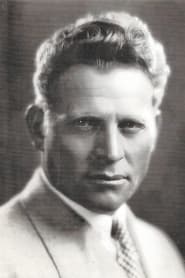
More from Mervyn LeRoy
View all →
More about this film
About the production
Release dateMarch 30, 1929
Budget$250,000
Box officeSuccessful at the box office, though exact figures are not documented
ProductionFirst National Pictures, Vitaphone
Filmed inWarner Bros. Studios, Burbank, California
Broadway Babies was filmed during the challenging transition from silent to sound cinema. The production utilized the Vitaphone sound-on-disc system, which was cutting-edge technology at the time. The film was originally conceived as a silent picture but was converted to a part-talkie during production to capitalize on the public's appetite for sound films. The musical numbers were recorded live on set, requiring the cast to perform with perfect timing while also delivering their dramatic performances.
Themes
Ambition and the price of successLove versus careerThe exploitation of women in entertainmentThe contrast between appearance and reality in show businessFriendship and loyalty among performers
Themes & topics
Broadwaychorus girlshow businessromancejealousybackstagemusicalambitionboarding housestruggling artiststardompredatory menlove triangleperformer1920spart-talkie
Historical background
Broadway Babies appeared in 1929, when the late silent period and the transition to sound shaped how movies were financed, distributed, and discussed. Audiences of the day encountered the work amid shifting tastes in acting, pacing, and spectacle. Its focus on dee is a naive chorus girl living in a boarding house full of low-paid actors mirrors themes circulating in popular culture of that moment.
Why this film matters
Broadway Babies (1929) belongs to the wider archive of world cinema, documenting dee is a naive chorus girl living in. Archivists and historians value such titles for what they reveal about craft, genre, and audience expectations. Restorations and festival screenings keep the work visible to viewers far beyond its first run.
Making of
The production of Broadway Babies faced numerous challenges typical of the early sound era. The sound recording equipment was bulky and restrictive, limiting camera movement and forcing actors to remain relatively stationary during dialogue scenes. Alice White, who had built her career in silent films, had to undergo voice coaching to adapt to the new medium. The musical numbers were particularly complex to stage, as the orchestra had to be recorded simultaneously with the performers, requiring precise synchronization. Director Mervyn LeRoy reportedly worked 18-hour days during production, overseeing both the technical aspects of sound recording and the dramatic performances. The film's success was partly attributed to its authentic portrayal of Broadway life, which was achieved through consultation with real chorus girls and backstage workers who shared their experiences with the production team.
What critics said
Press coverage from 1929 is fragmentary for many titles of this vintage; surviving notices for Broadway Babies tend to stress novelty, star power, or topical appeal. Later writing places the picture within its national and generic context, weighing both period conventions and moments that still land for modern viewers. Streaming and disc releases have revived discussion among classic-film audiences.
Did you know?
- Alice White was known as the 'Hollywood Flapper' and this film capitalized on her popular image as a vivacious, modern young woman
- The film was one of the first to showcase the backstage reality of Broadway performers, influencing many later films about show business
- Director Mervyn LeRoy was only 29 years old when he directed this film, early in his career that would span decades
- The movie featured the hit song 'Singin' in the Rain' years before it became famous in the 1952 film of the same name
- This was one of the last films released by First National Pictures before the company was fully absorbed by Warner Bros.
- The boarding house scenes were reportedly based on real accommodations that struggling Broadway performers actually lived in during the 1920s
- The film's success helped establish Alice White as one of the top box office draws of 1929
- Some scenes had to be reshot when early sound equipment picked up unwanted noise from the studio's ventilation system
- The costume budget was unusually high for the time, reflecting the importance of authentic Broadway glamour in the film's appeal
- Marion Byron, who played the comic relief role, was actually a classically trained actress who had studied at the American Academy of Dramatic Arts
Visual style
The cinematography of Broadway Babies reflects the technical limitations and aesthetic choices of early sound filmmaking. The camera work was necessarily more static than in late silent films due to the cumbersome sound recording equipment, which restricted camera movement and required careful microphone placement. Cinematographer Sol Polito utilized dramatic lighting to compensate for these limitations, creating visual interest through shadow and contrast. The musical numbers featured more dynamic camera work, as the pre-recorded soundtrack allowed for greater mobility during these sequences. The film employed the typical aspect ratio of the era (1.33:1) and utilized the soft, romantic lighting style that characterized late 1920s productions. The backstage scenes were shot with a gritty realism that contrasted with the glamorous lighting of the performance sequences, visually reinforcing the film's themes about the duality of show business life.
Innovations
Broadway Babies represented several technical achievements for its time, particularly in the realm of sound recording. The film successfully integrated dialogue, music, and sound effects using the Vitaphone system, demonstrating the potential of sound cinema beyond simple novelty. The production team developed innovative solutions for recording musical numbers, including the use of multiple microphones to capture both vocals and instrumental accompaniment. The film's seamless transitions between dialogue scenes and musical numbers were considered technically impressive for 1929. The sound engineering team also made advances in reducing background noise and improving audio clarity, which was particularly challenging in the studio environment of the time. The movie's success in balancing technical innovation with entertainment value helped establish standards for future sound productions and contributed to the rapid development of cinema technology during this transitional period.
Music
The soundtrack of Broadway Babies featured several popular songs of the era, composed by various songwriters under contract to the studio. The most notable musical number was 'Broadway Babies,' which became the film's signature tune and helped establish Alice White's musical persona. The score also included 'Singin' in the Rain,' which would later become widely known songs in cinema history. The music was recorded using the Vitaphone sound-on-disc system, which provided relatively high audio quality for the time but created synchronization challenges during filming. The musical arrangements were orchestrated to showcase the talents of the performers while accommodating the technical limitations of early sound recording. The soundtrack also included atmospheric music that enhanced the dramatic scenes and helped establish the mood of the Broadway setting. The film's success demonstrated the commercial appeal of movie musicals and contributed to the growing trend of integrating popular songs into film soundtracks.
Famous quotes
Broadway's a tough town, kid. You gotta be tough to survive it." - Dee to a new chorus girl
I didn't come to Broadway to play second fiddle to anyone!" - Dee
Love and show business don't mix, Billy. One of them's gotta go." - Dee
Every star in the sky started as a chorus girl with a dream." - Billy
The lights are bright on Broadway, but they cast long shadows." - Veteran performer to Dee
Memorable scenes
- The opening number where Dee and the chorus girls perform an elaborate dance routine showcasing the energy and spectacle of 1920s Broadway
- The emotional confrontation scene between Dee and Billy in her boarding house room where they argue about her career ambitions and their relationship
- The backstage sequence where Dee faces rejection and humiliation before finally getting her big break
- The climactic performance where Dee, now a star, sings the title song while dealing with the consequences of her choices
- The tender scene in Central Park where Dee and Billy reaffirm their love away from the pressures of show business
What audiences thought
Broadway Babies was a commercial success upon its release, particularly popular with young audiences who identified with Alice White's modern, flapper-style character. The film's musical numbers and dance sequences were especially well-received, with audiences reportedly often applauding during screenings. The movie's realistic portrayal of the struggles faced by aspiring performers resonated with many viewers during the economic uncertainties of 1929. The chemistry between Alice White and her co-stars was frequently mentioned in audience letters and reviews of the time. The film's success helped establish Alice White as a major star and led to her being cast in similar roles throughout the early 1930s. While the film's popularity waned as the Great Depression deepened, it remained a memorable example of late 1920s entertainment for those who experienced it during its initial release.
Film connections
Influenced by
- The Jazz Singer (1927)
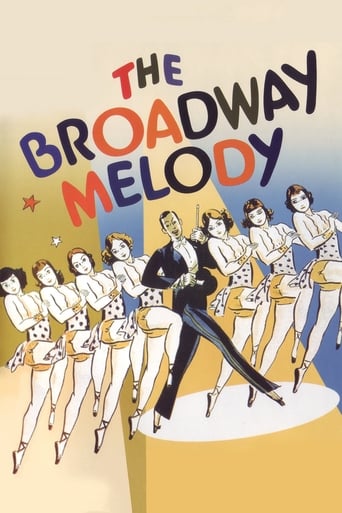
- The Broadway Melody (1929)
- Show Boat (1929)
- Cherished by influential Broadway shows of the 1920s
This film influenced
- 42nd Street (1933)
- Gold Diggers of 1933
- Stage Door (1937)
- A Star Is Born (1937)
- Singin' in the Rain (1952)
Film restoration
Broadway Babies survives in its complete form and has been preserved by the Library of Congress. The original nitrate negatives have been transferred to safety stock, and both the picture and Vitaphone soundtrack discs are maintained in archival conditions. The film has undergone restoration work to address some deterioration, though certain scenes show signs of age. The movie is occasionally screened at film festivals and classic cinema events, often with live musical accompaniment for the silent sequences. A DVD release was made available as part of Warner Bros.' archive collection, though it has not received a comprehensive digital restoration.
Where to watch
- The Warner Archive Collection DVD
- Classic film streaming services specializing in pre-Code films
- Occasional broadcasts on Turner Classic Movies
- Film archive screenings and classic cinema festivals
- Some public domain streaming platforms (quality may vary)