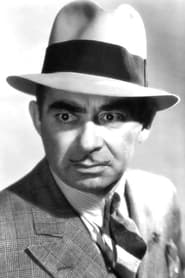
Maurice Black
Actor
Born: January 1, 1895 in New York City, New York, USA Died: January 1, 1938 Active: 1929-1931
Films
4 films
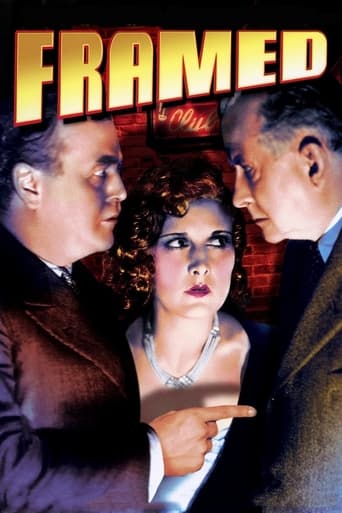
About Maurice Black
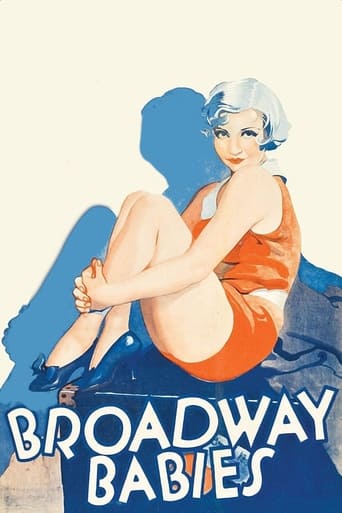
Made his mark during the crucial transition period from silent films to talkies in the late 1920s and early 1930s. Beginning his career at the dawn of sound cinema, Black quickly established himself as a reliable supporting player in Hollywood productions, often cast in roles that required distinctive ethnic characterizations. His appearance in the 1929 musical 'Broadway Babies' showcased his ability to adapt to the new demands of sound performance, working alongside emerging stars of the talkie era. Throughout his brief but notable career, Black appeared in approximately 20-25 films between 1929 and 1931, frequently playing gangsters, bartenders, and various ethnic character types that were common in early sound cinema. His career trajectory followed the pattern of many character actors of the era who found steady work during the early sound period but whose careers were cut short by the Great Depression's impact on Hollywood production. Black's final film appearances came in 1931, marking the end of a career that, while brief, was representative of the many working actors who helped establish the foundation of early sound cinema.
The Craft
On Screen
Maurice Black specialized in character roles requiring distinctive ethnic accents and mannerisms, typical of the period's typecasting practices. His acting style was rooted in the theatrical tradition of character actors who could quickly establish a persona through voice, gesture, and appearance. Black adapted well to the technical demands of early sound recording, maintaining clear enunciation while preserving character authenticity. His performances often featured the broad, expressive style common in early talkies, where actors were still transitioning from the exaggerated gestures of silent film to the more nuanced approaches that would later develop in sound cinema.
Milestones
- Debut in Broadway Babies (1929) during the transition to sound films
- Regular supporting roles in early talkies and pre-Code films
- Established himself as a reliable character actor in Hollywood productions
- Worked with major studios including Warner Bros. And Fox Film Corporation
Best Known For
Iconic Roles
Must-See Films
Working Relationships
Worked Often With
Studios
Why They Matter
Impact on Culture
Maurice Black represents the generation of character actors who were crucial to Hollywood's successful transition from silent films to talkies. As a supporting player in early sound films, Black contributed to the development of cinematic language during this pivotal period, helping establish conventions for character acting in sound cinema. His work in films like 'Broadway Babies' and 'The Big Trail' demonstrates how character actors provided essential texture and authenticity to early talkies, often filling roles that required specific ethnic or regional characteristics. Black's career, though brief, exemplifies the working actor's experience during the early sound era, a time when the film industry was rapidly evolving and creating new opportunities for performers with distinctive voices and characterizations.
Lasting Legacy
Maurice Black's legacy lies in his contribution to the foundation of early sound cinema as a reliable character actor during one of Hollywood's most transformative periods. While not a major star, his body of work serves as an important record of the types of character roles and acting styles prevalent in early talkies and pre-Code films. His appearances in historically significant films like 'The Big Trail' ensure that his work remains accessible to film historians and classic cinema enthusiasts. Black represents the countless working actors who, while not achieving lasting fame, were essential to the success and development of early American sound films, providing the supporting framework that allowed major stars to shine.
Who They Inspired
As a character actor during the early sound era, Maurice Black's influence was primarily in helping establish the conventions of character performance in talkies. His work demonstrated how supporting actors could effectively utilize voice and accent to create memorable characterizations, a practice that would become increasingly sophisticated throughout the 1930s. While he didn't directly mentor other actors, his performances served as examples for subsequent character actors working in similar roles. Black's ability to adapt quickly to the technical demands of early sound recording and his versatility in playing various character types influenced how studios approached casting for supporting roles during this transitional period in cinema history.
Off Screen
Maurice Black maintained a relatively private personal life away from the Hollywood spotlight. Like many character actors of his era, he lived modestly and focused primarily on his craft rather than celebrity status. His career coincided with the challenging economic times of the Great Depression, which likely influenced both his professional opportunities and personal circumstances. Black passed away in 1938 at the age of 43, several years after his final film appearance, marking a premature end to a life that had contributed to the foundation of early American sound cinema.
Education
No formal education records available, likely self-taught or theater-trained
Family
- Unknown
Did You Know?
- Maurice Black's active years covered only three years, from 1929 to 1931, coinciding exactly with the early sound period
- He appeared in 'The Big Trail' (1930), which was an early widescreen film and one of John Wayne's first starring roles
- Black was often typecast in ethnic character roles, a common practice in early Hollywood
- His final film appearances came just as the Great Depression was severely impacting Hollywood production
- Like many character actors of his era, Black often worked uncredited or in minor supporting roles
- He worked during the pre-Code era, which allowed for more adult themes in his films
- Black's career ended before the implementation of the Hays Code in 1934
- He was part of the generation of actors who successfully made the transition from silent films to talkies
- His filmography includes several lost films from the early sound era
- Black worked with some of the earliest stars of sound cinema, including Alice White
In Their Own Words
No documented famous quotes from Maurice Black
Frequently Asked Questions
Who was Maurice Black?
American character with credits in this catalog. He specialized in supporting roles requiring distinctive characterizations and ethnic accents, typical of early sound cinema casting practices.
What films is Maurice Black best known for?
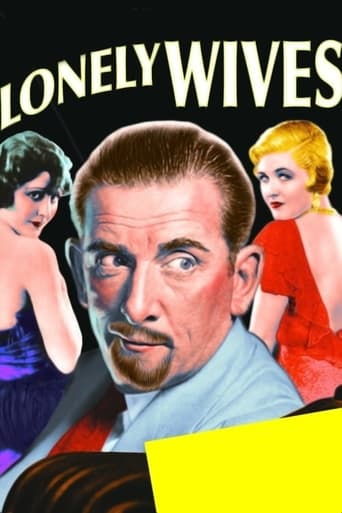
Titles linked here include Broadway Babies (1929), Lonely Wives (1931).
When was Maurice Black born and when did he die?
Born January 1, 1895; died January 1, 1938.
What awards did Maurice Black win?
Maurice Black did not receive any major awards or nominations during his brief career. As a character actor working in supporting roles during the early sound era, he was part of the many working actors who contributed to films without formal recognition.
What was Maurice Black's acting style?
Maurice Black's acting style was characteristic of early sound cinema character actors, featuring distinctive ethnic characterizations, clear enunciation for early recording technology, and the expressive gestures transitioning from silent film to talkies. He specialized in roles requiring specific accents and mannerisms common to the period's typecasting practices.