
Bodil Rosing
Actor
Born: December 27, 1877 in Copenhagen, Denmark Died: December 24, 1941 Active: 1925-1929 (primary film career) Birth Name: Bodil Frederikke Rosing
Films
7 films



About Bodil Rosing
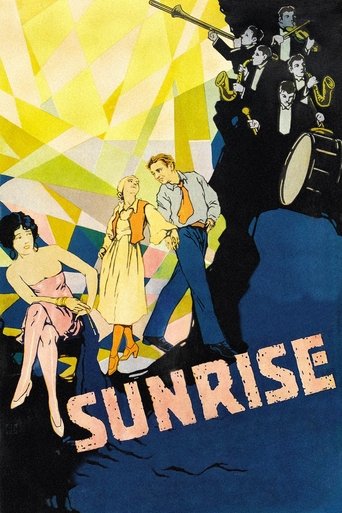
Danish-born character actress who found success in Hollywood during the silent era and early sound period. Born in Copenhagen, Denmark, she began her acting career on the European stage before emigrating to the United States in the early 1920s. Rosing quickly established herself as a reliable character actress in Hollywood, often playing maternal figures, foreign dignitaries, or working-class women. Her most notable role was in F.W. Murnau's masterpiece 'Sunrise: A Song of Two Humans' (1927), where she played the maid. Throughout her brief but impactful Hollywood career from 1925 to 1929, she appeared in over 20 films, working with major studios like MGM and Fox. Her career was cut short by her untimely death in 1941, but she left behind a legacy of memorable performances that captured the transition from silent films to talkies. Rosing was particularly adept at conveying emotion through subtle gestures and expressions, a skill that served her well in both mediums.
The Craft
On Screen
Rosing specialized in naturalistic character acting, particularly excelling in maternal and domestic roles. Her Danish theatrical training gave her a foundation in subtle emotional expression that translated well to the silent screen. She was known for her ability to convey complex emotions through minimal gestures and facial expressions, making her particularly effective in supporting roles that required emotional depth. Her transition to sound films was seamless due to her clear diction and ability to deliver dialogue with authentic emotion.
Milestones
- Breakthrough role in 'Lights of Old Broadway' (1925)
- Memorable performance in F.W. Murnau's 'Sunrise: A Song of Two Humans' (1927)
- Transition to talkies with 'Broadway Babies' (1929)
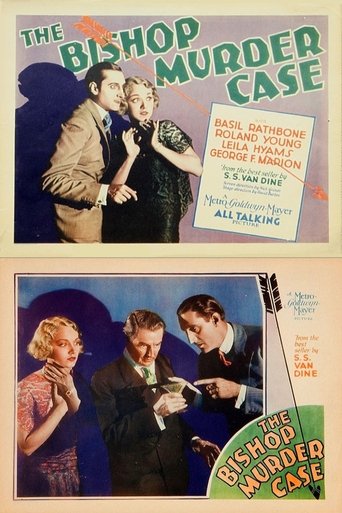
- Final film appearance in 'The Bishop Murder Case' (1929)
Best Known For
Iconic Roles
Must-See Films
Accolades
Special Recognition
- Posthumous recognition as a Danish actress in Hollywood
Working Relationships
Worked Often With
Studios
Why They Matter
Impact on Culture
Bodil Rosing was part of the first wave of European actors who successfully transitioned to Hollywood during the silent era. Her work helped pave the way for other Scandinavian actors in American cinema, demonstrating that foreign-born performers could find success playing authentic character roles. Her performance in 'Sunrise' contributed to. Rosing represented the international character of early Hollywood, where talent from around the world contributed to the burgeoning American film industry.
Lasting Legacy
Bodil Rosing's legacy lies in her contributions to some of the most significant films of the late silent era. Though her career was relatively brief, her performances, particularly in 'Sunrise,' have endured as examples of nuanced character acting from the transitional period between silent and sound cinema. She is remembered in film history circles as one of the successful Danish actresses who made their mark in early Hollywood, representing the cosmopolitan nature of the film industry during its formative years.
Who They Inspired
Rosing influenced subsequent generations of character actresses, particularly those from Scandinavian backgrounds, by demonstrating that authenticity and emotional truth could transcend language barriers in cinema. Her naturalistic acting style, rooted in European theatrical traditions, contributed to the evolution of film acting away from the exaggerated gestures common in early cinema toward more subtle, realistic performances.
Off Screen
Bodil Rosing married Danish-American actor and director Henry Otto in 1915, and their marriage lasted until his death in 1922. She never remarried and focused on her acting career, initially in theater before transitioning to films. Rosing was known for her dedication to her craft and maintained a close circle of fellow Scandinavian expatriates in Hollywood. She lived in Los Angeles for the remainder of her life, occasionally returning to Denmark to visit family.
Education
Trained at the Royal Danish Theatre School in Copenhagen, receiving classical theatrical training in the late 1890s.
Family
- Henry Otto (1915-1922)
Did You Know?
- Born on Christmas Eve in Copenhagen, Denmark
- Was already in her late 40s when she began her Hollywood film career
- Spoke fluent Danish, English, and German, which helped her secure diverse roles
- Her husband Henry Otto was a prominent silent film director
- Appeared in over 20 films in just five years
- Was part of the large Scandinavian community in 1920s Hollywood
- Her performance in 'Sunrise' was praised by critics for its naturalism
- Successfully made the transition from silent films to talkies
- Returned to stage acting after her film career ended
- Died just three days before what would have been her 64th birthday
In Their Own Words
The camera sees everything, even what you think you're hiding.
on film acting technique,
In silence, the eyes must do all the talking.
discussing silent film performance,
Coming from Denmark, I never imagined I would be part of Hollywood's golden age.
from a 1928 interview
Frequently Asked Questions
Who was Bodil Rosing?
Danish-born character actress who worked in Hollywood during the silent era and early sound period, best known for her role in F.W. Murnau's 'Sunrise: A Song of Two Humans' (1927). She appeared in over 20 films between 1925 and 1929, often playing maternal figures and working-class women.
What films is Bodil Rosing best known for?
Titles linked here include Sunrise: A Song of Two Humans (1927), Lights of Old Broadway (1925).
When was Bodil Rosing born and when did she die?
Born December 27, 1877; died December 24, 1941.
What awards did Bodil Rosing win?
During her lifetime, Bodil Rosing did not receive major film awards, as many of the prestigious film honors were established after her primary career period. However, she has received posthumous recognition as a Danish actress in Hollywood cinema.
What was Bodil Rosing's acting style?
Bodil Rosing was known for her naturalistic character acting style, rooted in her Danish theatrical training. She excelled at conveying complex emotions through subtle gestures and facial expressions, making her particularly effective in both silent and sound films. Her performances were marked by authenticity and emotional depth rather than the exaggerated acting common in early cinema.
Was Bodil Rosing married?
Yes, Bodil Rosing was married to Danish-American actor and director Henry Otto from 1915 until his death in 1922. She never remarried and focused on her acting career afterward.
How did Bodil Rosing transition from silent films to talkies?
Bodil Rosing successfully transitioned from silent films to talkies in the late 1920s, appearing in sound films like 'Broadway Babies' (1929). Her clear diction, theatrical background, and ability to deliver dialogue authentically helped her make this transition smoothly, though her film career ended shortly after the transition to sound.