
The Bishop Murder Case
"Murder part nursery rhyme."
Keys: Space play/pause · ←/→ 10s · F fullscreen · M mute · </> speed
About this film
The murders start with the body of Robin. The note found dealing with the murder was part of a nursery rhyme and signed by 'Bishop'. The only witness may have been Mrs.
Cast & crew
More films like this
More Mystery films
View all →
More about this film
About the production
Release dateMarch 16, 1929
ProductionParamount Pictures
Filmed inParamount Studios, Hollywood, California
The Bishop Murder Case was produced during the crucial transition period from silent films to sound cinema. It was one of the early 'part-talkie' films, featuring synchronized sound sequences alongside traditional silent footage with intertitles. The production faced challenges adapting the popular Philo Vance novel by S.S. Van Dine to the new sound technology, requiring careful planning of dialogue scenes. The film's nursery rhyme murder motif was considered particularly innovative for its time and required elaborate staging for each killing sequence.
Themes
Justice vs. RevengeThe Nature of EvilIntellectual SuperioritySocial Class and PrivilegeThe Psychology of Murder
Themes & topics
detectivemurdernursery rhymemysteryserial killerpsychological thrilleraristocracyrevengepuzzleclues
Historical background
Production circa 1929 placed The Bishop Murder Case within the technical habits of its era—intertitles, studio sets, and regional distribution networks.
Why this film matters
Surviving prints of The Bishop Murder Case help researchers study how 1929-era filmmakers solved storytelling with limited means.
Making of
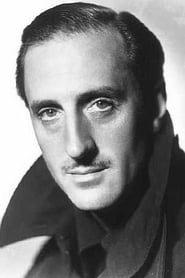
The production of The Bishop Murder Case took place during among the leading turbulent periods in Hollywood history - the transition from silent to sound films. Paramount Pictures invested significantly in sound equipment for this production, making it one of their early sound ventures. The casting of Basil Rathbone as Philo Vance was considered a coup, as he was already an established stage actor with excellent diction, crucial for early sound recordings. The film's nursery rhyme murder sequences required elaborate planning and staging, with each death scene meticulously choreographed to match the corresponding rhyme. The production team faced technical challenges with the new sound equipment, often having to reshoot scenes multiple times to achieve proper audio quality. The film's success led to immediate greenlighting of sequels, establishing Philo Vance as one of cinema's first recurring detective characters.
What critics said
Audience surveys from 1929 are sparse; interest in The Bishop Murder Case is inferred from reissue and archive activity.
Did you know?
- This was the first film adaptation of a Philo Vance novel, launching a successful series that would span over a decade
- Basil Rathbone, who later became famous for playing Sherlock Holmes, portrayed Philo Vance in this film
- The film was released during the early sound era and was a 'part-talkie' with both synchronized sound and silent sequences
- The nursery rhyme murder motif was considered quite shocking and innovative for 1929 audiences
- Director Nick Grindé went on to direct numerous B-movies and serials in the 1930s and 1940s
- The film's success helped establish the 'gentleman detective' genre in American cinema
- Roland Young, who played District Attorney Markham, would later become famous for his role as Cosmo Topper
- The original novel by S.S. Van Dine was one of the best-selling mystery books of 1928
- The film's title refers to the killer's signature, not an actual bishop character
- This was one of the earliest films to use psychological profiling as a plot device
Visual style
The cinematography of The Bishop Murder Case was handled by James Wong Howe, though early sound films often required multiple cinematographers due to the technical constraints of sound equipment. The film employs the dramatic lighting techniques common in late silent films, with strong contrasts and carefully composed shots that enhance the mysterious atmosphere. The camera work is more static than in silent films, a necessary adaptation to early sound recording limitations that restricted camera movement. The murder sequences feature particularly effective use of shadow and lighting to create suspense and highlight the theatrical nature of the killings. The film's visual style successfully bridges the expressive cinematography of the silent era with the more naturalistic approach that would become standard in sound films.
Innovations
The Bishop Murder Case represents several important technical achievements in early sound cinema. As a part-talkie, it successfully integrated synchronized sound sequences with traditional silent filmmaking techniques, demonstrating effective transitional strategies during the sound revolution. The film's sound recording team developed innovative methods for capturing dialogue in large interior sets, a significant challenge for early sound equipment. The production also experimented with using sound to enhance mystery elements, such as carefully timed audio cues during murder sequences. The film demonstrated that complex mystery plots could be effectively conveyed through dialogue rather than relying solely on visual storytelling and intertitles. These technical innovations helped establish best practices for sound mystery films that would influence the genre for years to come.
Music
The Bishop Murder Case features an early synchronized soundtrack composed by Karl Hajos, combining original score elements with popular songs of the era. As a part-talkie, the film includes both dialogue sequences and traditional silent film segments with musical accompaniment. The score makes effective use of leitmotifs, particularly for the 'Bishop' character and the various murder sequences. The nursery rhyme elements are enhanced through musical cues that echo the familiar melodies associated with each rhyme. The sound design was innovative for its time, using audio effects to enhance the mystery and suspense of key scenes. The film's soundtrack represents an important early example of how music could be used systematically to support narrative themes in sound cinema.
Famous quotes
Vance: 'The Bishop plays chess, my dear Markham, while we play checkers.'
Vance: 'Every nursery rhyme has a dark side, if you look closely enough.'
District Attorney Markham: 'This isn't a game, Vance!' Vance: 'But isn't it? The Bishop certainly thinks so.'
Vance: 'The perfect crime is like a perfect sonnet - every element must be in its proper place.'
Memorable scenes
- The discovery of the first murder victim, Robin, with an arrow through his heart and the mysterious Bishop's note
- Philo Vance's dramatic revelation scene where he explains the nursery rhyme pattern to the assembled suspects
- The tense confrontation between Vance and the revealed killer, where the psychological motives are finally exposed
- The atmospheric sequence where Mrs. Drukker and Adolph witness a key event but remain silent under pressure
What audiences thought
Audiences in 1929 responded enthusiastically to The Bishop Murder Case, making it a commercial success for Paramount Pictures. The film's blend of sophisticated mystery and shocking murders appealed to both traditional mystery fans and those seeking the novelty of early sound films. Theater owners reported strong attendance, particularly in urban areas where audiences were eager to experience new talkies. The film's success led to immediate demand for more Philo Vance adventures, resulting in a series of sequels throughout the 1930s. Contemporary audience letters and reviews in trade publications indicate that viewers particularly enjoyed the nursery rhyme puzzle aspect and Rathbone's charismatic performance. The film became a word-of-mouth hit, with audiences discussing the clues and attempting to solve the mystery before the reveal, demonstrating the engaging nature of the plot construction.
Film connections
Influenced by
- Sherlock Holmes stories by Arthur Conan Doyle
- The Golden Age of Detective Fiction
- German Expressionist cinema
- Broadway mystery plays of the 1920s
This film influenced
- The Canary Murder Case (1929)
- The Greene Murder Case (1929)
- The Benson Murder Case (1930)
- The Kennel Murder Case (1933)
- The Dragon Murder Case (1934)
Film restoration
The Bishop Murder Case is believed to be preserved in the Paramount Pictures archives and at the Library of Congress. While not considered a lost film, complete high-quality copies are relatively rare. The film exists in various formats including 35mm prints and digital transfers, though some early sound sequences may have degraded over time. The film has been included in several classic film retrospectives focusing on early sound cinema and mystery films of the late 1920s. Preservation efforts have focused on maintaining both the visual and audio elements, which is particularly challenging for early sound films due to the deterioration of original soundtrack discs and prints.
Where to watch
- The film is occasionally shown on classic movie channels like TCM
- Available through some specialty classic film streaming services
- Can be found on DVD through classic film distributors
- Screened at film archives and classic film festivals
- May be accessible through university film studies programs