Films
1 film
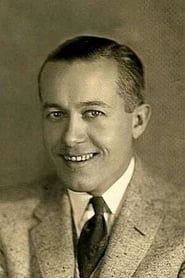
About Nick Grindé
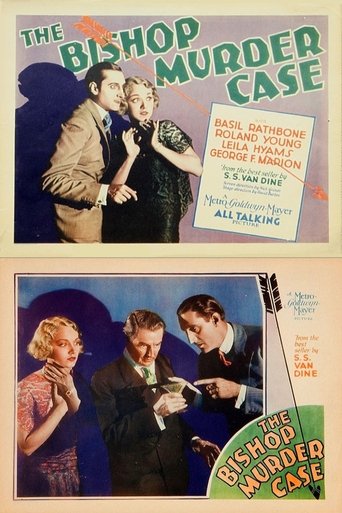
Nick Grindé is a little-documented early film director whose known screen credit is the 1929 mystery film The Bishop Murder Case, released during the late silent/early sound transition. Available film reference sources suggest that his career in feature directing was extremely brief, and he appears to have worked at the moment when Hollywood was rapidly shifting from silent production practices to synchronized dialogue filmmaking. Because surviving biographical records for him are scarce, many personal details of his life, training, and later career are not firmly established in widely accessible film histories. His name remains associated primarily with The Bishop Murder Case, a studio-produced mystery based on the popular Philo Vance detective stories, which places him within the era’s fascination with elegant crime dramas and literary adaptations. The paucity of surviving credits strongly suggests either a short-lived directing career, a career concentrated in other production capacities, or loss of documentation from the period. He is best remembered today by film historians and database researchers as a minor but real participant in early Hollywood’s transitional years rather than as a major studio auteur. Given the limited evidence, any fuller portrait of his private life, education, or later professional activity must remain uncertain.
The Craft
Behind the Camera
No detailed contemporary criticism of Nick Grindé's directing style is readily available in standard reference sources. Based on the nature of The Bishop Murder Case and the period in which it was made, his work can be associated with the polished, studio-controlled style common to late silent and early sound mystery pictures: emphasis on atmosphere, literary plotting, carefully staged dialogue scenes, and a focus on drawing suspense from elegant interiors and ensemble interplay. Because only one widely documented directing credit is associated with him, it is not possible to identify a distinctive personal signature with confidence. His surviving reputation is therefore tied more to the film’s industrial context than to an easily defined auteur style.
Milestones
- Directed the 1929 mystery feature The Bishop Murder Case
- Worked in Hollywood during the critical transition from silent cinema to synchronized sound
- Earned a place in film reference records through a credited feature-directing assignment
- Contributed to the screen adaptation of a popular detective property associated with the Philo Vance cycle
- Remains a figure of interest for historians researching obscure or underdocumented early studio-era filmmakers
Best Known For
Must-See Films
Why They Matter
Impact on Culture
Nick Grindé’s cultural impact is modest but noteworthy in the context of film historiography, because he represents the many transitional-era filmmakers whose names survive in credits even when their broader biographies do not. His documented association with The Bishop Murder Case places him in the stream of late-1920s studio mystery production, a genre that helped bridge silent-era visual storytelling and the more dialogue-driven patterns of sound cinema. For researchers and enthusiasts of classic film, such figures illuminate how Hollywood was staffed by a wide network of directors whose contributions were real but often overshadowed by major stars and celebrated auteurs. His presence in the record also underscores the fragility of early film history, where incomplete documentation can leave once-working professionals nearly invisible to later generations. In that sense, his significance is archival as much as artistic: he is part of the evidence base that helps reconstruct how the film industry functioned at the end of the silent era.
Lasting Legacy
Nick Grindé’s legacy is primarily one of historical presence rather than enduring fame. He is remembered because his name appears in connection with a specific 1929 feature, preserving him as part of the transition from silent to sound-era filmmaking. For film historians, such obscure credits are important because they fill in the personnel history of studio production and help map the careers of lesser-known craftsmen and directors. Although he does not appear to have left a large filmography or a readily traceable public persona, his surviving credit contributes to the broader understanding of how many early Hollywood filmmakers worked briefly, discreetly, and then disappeared from the mainstream record. His legacy therefore lies in the documentary trace he left behind in classic cinema history.
Who They Inspired
There is no documented evidence that Nick Grindé exerted a major direct influence on later directors or filmmakers. Any influence he may have had was likely limited to his immediate production environment and to the standard studio practices of the time. His significance to later generations comes less from stylistic innovation than from the historical example he provides of a working director in the industry’s transitional moment. In film scholarship, such figures are valuable because they help illustrate how mainstream filmmaking was shaped not only by celebrated names but also by a larger, often forgotten workforce of directors, writers, and technicians.
Off Screen
No reliably documented personal-life profile for Nick Grindé is widely available in standard classic-cinema reference sources. His family background, marriages, and children are not clearly recorded in the commonly accessible materials consulted for early Hollywood personnel. This absence of information is not unusual for minor or short-career figures from the silent and early sound eras, many of whom left behind limited public documentation. At present, any claim about his private life beyond the existence of his film credit would be speculative.
Did You Know?
- Nick Grindé is chiefly remembered for a single documented directing credit, The Bishop Murder Case (1929).
- His career falls exactly at the boundary between silent cinema and the early sound era, making him part of one of Hollywood’s most dramatic technological transitions.
- Because so little biographical data survives, he is an example of how many early film professionals remain obscure despite having worked on studio features.
- The Bishop Murder Case was part of the popular detective-film trend centered on sophisticated mystery plotting and literary adaptation.
- His name is still indexed in modern film databases, which helps preserve otherwise easily lost information about early Hollywood personnel.
- The scarcity of records about him makes him a frequent case-study subject for researchers interested in incomplete filmographies.
- He appears to have had a very short documented period of activity, at least in the surviving film record.
- No widely cited interviews, memoirs, or personal papers are readily associated with him in standard classic film reference channels.
Frequently Asked Questions
Who was Nick Grindé?
Little-documented early Hollywood on YTB.my. He appears in the historical record as a minor but real figure from the late silent/early sound era, though very little personal information about him survives in standard reference sources.
What films is Nick Grindé best known for?
Titles linked here include The Bishop Murder Case (1929).
When was Nick Grindé born and when did he die?
Reliable public records widely available in standard classic-cinema references do not currently provide verified birth or death dates for Nick Grindé. His biographical profile remains sparse, so those details are presently unknown.
What awards did Nick Grindé win?
No verified awards or major honors are readily documented for Nick Grindé in accessible classic film references. His importance lies more in his historical placement and credited work than in award recognition.
What was Nick Grindé's directing style?
A distinctive personal style is difficult to define because only limited information survives about his directing career. Based on the type of film he directed, his work would have fit the polished studio approach common to late-1920s mystery films, with emphasis on atmosphere, pacing, and clear narrative staging.
Why is Nick Grindé still of interest to film historians?
He is of interest because he represents the many early Hollywood professionals whose names survive in credits even when their biographies are largely lost. His single surviving directing credit helps historians reconstruct the transitional production world of the late silent and early sound periods.