
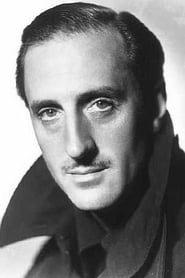
Basil Rathbone
Actor
Born: June 13, 1892 in Johannesburg, South Africa Died: July 21, 1967 Active: 1922-1967 Birth Name: Philip St. John Basil Rathbone
Films
8 films
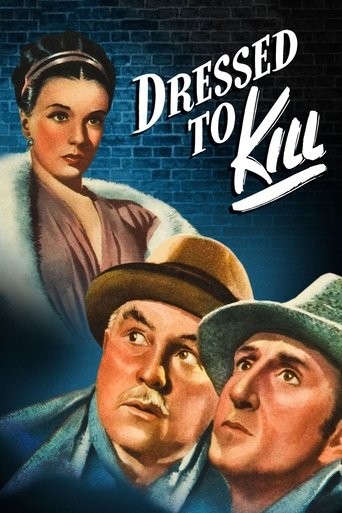
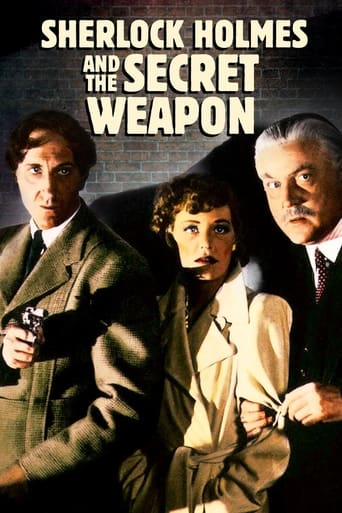
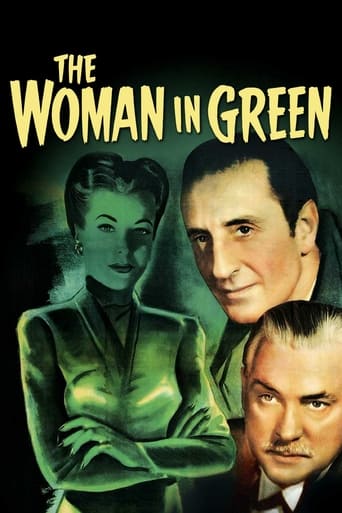
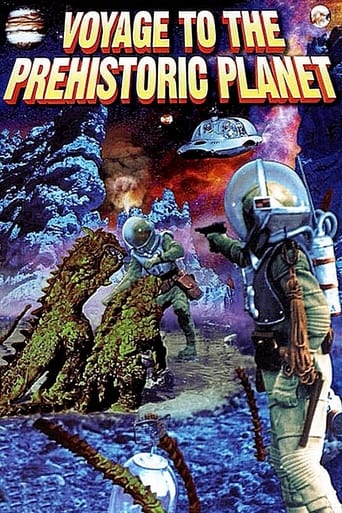
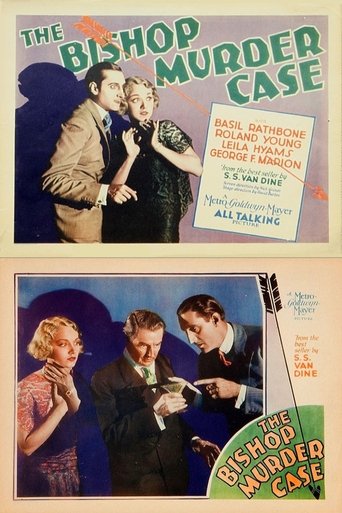
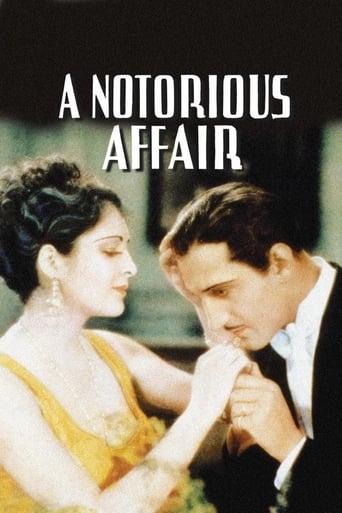
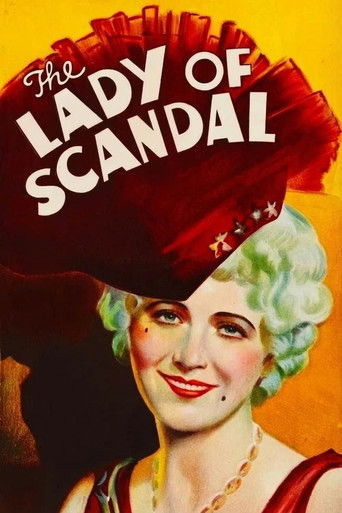
About Basil Rathbone
Basil Rathbone was born in Johannesburg, South Africa, to British parents and began his career on the London stage before transitioning to silent films in the 1920s. After serving with distinction in World War I, where he was awarded the Military Cross for bravery, Rathbone established himself as a versatile character actor in both British and American cinema. His breakthrough in Hollywood came with his Oscar-nominated performance as Tybalt in MGM's 1936 production of 'Romeo and Juliet,' which led to a contract with the studio and a series of sophisticated villain roles. Rathbone's most enduring legacy began in 1939 when he first portrayed Sherlock Holmes in 'The Hound of the Baskervilles,' a role he would reprise in 14 films, becoming the definitive Holmes for generations. Beyond Holmes, he was renowned for his sword-fighting abilities, showcased in films like 'The Adventures of Robin Hood' (1938) and 'The Mark of Zorro' (1940). His later career included stage work, television appearances, and voice acting, maintaining his status as a respected character actor until his death in 1967. Rathbone's distinctive voice, aristocratic bearing, and precise diction made him the screen's best-known Sherlock Holmes after 14 films from The Hound of the Baskervilles (1939) onward.
The Craft
On Screen
Rathbone was known for his precise, articulate delivery and aristocratic bearing, bringing sophistication and intelligence to every role. His classical training gave him exceptional diction and a commanding stage presence that translated powerfully to film. He excelled at playing complex villains and intellectuals, using subtle facial expressions and a distinctive voice to convey character depth. His physical grace and fencing skills made him particularly effective in period pieces and swashbucklers. Rathbone's approach combined theatrical precision with cinematic naturalism, creating memorable characters that were both larger-than-life and psychologically believable.
Milestones
- Oscar nomination for Best Supporting Actor in 'Romeo and Juliet' (1936)
- Oscar nomination for Best Supporting Actor in 'If I Were King' (1938)
- First portrayal of Sherlock Holmes in 'The Hound of the Baskervilles' (1939)
- Starred in 14 Sherlock Holmes films from 1939-1946
- Memorable villain role as Sir Guy of Gisbourne in 'The Adventures of Robin Hood' (1938)
- Awarded Military Cross for bravery during World War I
- Successful Broadway career including 'The Heiress' (1947)
- Published autobiography 'In and Out of Character' (1962)
Best Known For
Iconic Roles
Must-See Films
Accolades
Won
- Military Cross (1917)
- Hollywood Walk of Fame Star (1960)
- Sherlock Holmes Society of London Lifetime Achievement Award (posthumous)
Nominated
- Academy Award for Best Supporting Actor - 'Romeo and Juliet' (1936)
- Academy Award for Best Supporting Actor - 'If I Were King' (1938)
- Tony Award for Best Featured Actor in a Play - 'The Heiress' (1948)
Special Recognition
- Commander of the Order of the British Empire (CBE) (1946)
- Inducted into the Sherlock Holmes Hall of Fame
- Honorary member of the Baker Street Irregulars
Working Relationships
Worked Often With
Studios
Why They Matter
Impact on Culture
Basil Rathbone's portrayal of Sherlock Holmes fundamentally shaped how the character was perceived by global audiences for decades, establishing the visual template of the deerstalker cap, calabash pipe, and Inverness cape. His Holmes films introduced the detective to millions during World War II, making the character a symbol of British intelligence and determination during a critical historical period. Rathbone's sophisticated villain roles in Hollywood's Golden Age contributed to the archetype of the cultured, intelligent antagonist, influencing how such characters were written and performed. His distinctive voice and precise delivery set a standard for audio performances that would later influence radio drama and voice acting. Rathbone's work helped bridge the gap between theatrical and film acting styles, demonstrating how classical technique could be adapted for the cinema screen.
Lasting Legacy
Basil Rathbone remains the most iconic Sherlock Holmes in film history, with his 14-film series continuing to be the benchmark against which all subsequent portrayals are measured. His performances preserved the essence of Arthur Conan Doyle's character while making Holmes accessible to mass audiences, ensuring the detective's continued popularity through the 20th century. Rathbone's versatility as an actor, from Shakespearean roles to swashbuckling villains, demonstrated the range possible for character actors in Hollywood's studio system. His autobiography and interviews have become valuable resources for understanding the transition from stage to screen during cinema's formative years. The Rathbone Holmes films remain in constant circulation, introducing new generations to both the actor and the character, cementing his status as a timeless figure in entertainment history.
Who They Inspired
Rathbone's precise diction and intellectual approach to character acting influenced generations of performers, particularly in how to portray sophisticated, educated characters on screen. His Sherlock Holmes set the standard for detective portrayals, affecting how actors from Peter Cushing to Benedict Cumberbatch would approach the role. His fencing techniques and sword-fighting choreography in swashbucklers influenced action sequences in Hollywood for decades. Rathbone's success as a British actor in Hollywood paved the way for other British performers to find success in American cinema. His ability to transition from leading man to character actor provided a model for career longevity in the film industry. Many actors have cited Rathbone's work as inspiration for playing complex villains and intellectuals.
Off Screen
Rathbone married actress Marion Foreman in 1914, with whom he had one son, Rodion, before their divorce in 1926. In 1927, he married writer Ouida Bergère, with whom he adopted a daughter, Cynthia, and remained married until his death. Despite his sophisticated on-screen persona, Rathbone was known for his wit and charm off-screen, maintaining close friendships with many Hollywood colleagues. He was an accomplished writer, publishing his autobiography 'In and Out of Character' in 1962, which revealed insights into his craft and personal philosophy. Rathbone was also a skilled fencer and chess player, hobbies that complemented his intellectual image. His later years were marked by continued stage work and television appearances until his death from a heart attack in New York City at age 75.
Education
Repton School in Derbyshire, England; later trained at the Royal Academy of Dramatic Art (RADA) in London
Family
- Marion Foreman (1914-1926)
- Ouida Bergère (1927-1967)
Did You Know?
- Was an accomplished fencer who could defeat Olympic-level fencers, despite being self-taught for film roles
- Turned down the role of the Grinch in the original 'How the Grinch Stole Christmas' special
- His son Rodion changed his surname to 'Rathbone-Brown' to avoid typecasting
- Was so typecast as Holmes that he initially refused to play the character on radio
- Served as an intelligence officer in World War I and was mentioned in dispatches three times
- His Holmes films were so popular that Universal kept making them even after the original source material was exhausted
- Was a skilled chess player who could play multiple games simultaneously while blindfolded
- His distinctive voice made him a popular choice for narrating documentaries and educational films
- Despite being famous for playing Holmes, he personally preferred playing villainous roles
- Was one of the first actors to successfully transition from silent films to talkies due to his excellent voice
In Their Own Words
Elementary, my dear Watson
though this exact phrase never appeared in the films, it became associated with his Holmes)
When you play the part of a villain, you must find something in him that is admirable. Otherwise, he becomes just a caricature
I owe everything to Sherlock Holmes. He's been my bread and butter for years
Acting is the most personal of all arts. You use your own body, your own voice, your own emotions
The secret of playing Holmes is to make him human despite his extraordinary intellect
I never wanted to be a star. I wanted to be an actor
Frequently Asked Questions
Who was Basil Rathbone?
British with credits in this catalog. He was also renowned for playing sophisticated villains in classic Hollywood films like 'The Adventures of Robin Hood' and 'The Mark of Zorro,' earning two Academy Award nominations for his supporting roles.
What films is Basil Rathbone best known for?
Titles linked here include The Hound of the Baskervilles (1939), The Adventures of Sherlock Holmes (1939).
When was Basil Rathbone born and when did he die?
Born June 13, 1892; died July 21, 1967.
What awards did Basil Rathbone win?
Rathbone received two Academy Award nominations for Best Supporting Actor for 'Romeo and Juliet' (1936) and 'If I Were King' (1938). He was awarded the Military Cross for bravery during World War I and received a star on the Hollywood Walk of Fame in 1960. He was also appointed Commander of the Order of the British Empire (CBE) in 1946.
What was Basil Rathbone's acting style?
Rathbone was known for his precise diction, aristocratic bearing, and intellectual approach to characters. His classical stage training gave him exceptional vocal control and physical grace, making him particularly effective in period pieces and as sophisticated villains. He brought theatrical precision to his film performances while maintaining cinematic naturalism.
How many Sherlock Holmes films did Basil Rathbone make?
Rathbone starred as Sherlock Holmes in 14 films between 1939 and 1946, produced first by 20th Century Fox and then by Universal Pictures. The series began with 'The Hound of the Baskervilles' and 'The Adventures of Sherlock Holmes' in 1939, continuing with 12 more films that updated Holmes to contemporary settings during World War II.
Did Basil Rathbone serve in the military?
Yes, Rathbone served with distinction in the British Army during World War I, where he worked as an intelligence officer and was awarded the Military Cross for bravery. He was mentioned in dispatches three times for his reconnaissance work behind enemy lines.