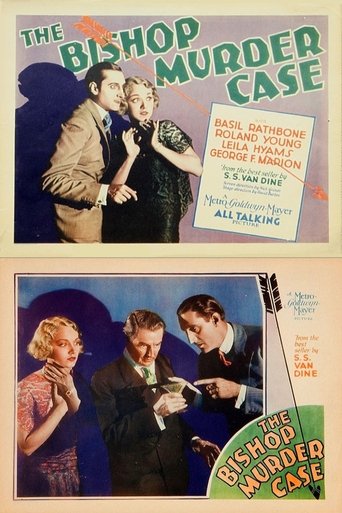
Films
1 film
About Charles Quatermaine
This archive lists one role for Charles Quatermaine: The Bishop Murder Case (1929). His most notable and perhaps only documented film role was in the 1929 mystery thriller 'The Bishop Murder Case,' which was one of the early talking pictures produced by Paramount Pictures. The film was based on the popular Philo Vance detective novels by S.S. Van Dine and starred Basil Rathbone in the lead role. Quatermaine's career appears to have been extremely brief, spanning only the year 1929, which suggests he may have been part of the many stage actors who briefly transitioned to films during the early sound era but did not continue in the medium. His presence in this early talkie places him among the pioneers of sound cinema, though his contribution was minimal. Like many actors of this period who had short careers, detailed biographical information about Quatermaine is scarce, and he represents the countless supporting players who populated early Hollywood films but left little documentary trace of their lives or careers.
The Craft
Milestones
- Appeared in 'The Bishop Murder Case' (1929), one of the early sound mystery films
- Participated in the transition from silent to sound cinema
- Worked with major star Basil Rathbone during his early film career
Best Known For
Iconic Roles
Must-See Films
Working Relationships
Worked Often With
Studios
Why They Matter
Impact on Culture
Charles Quatermaine's cultural impact is minimal due to his extremely brief film career, but his participation in 'The Bishop Murder Case' places him among the actors who helped bridge the gap between silent cinema and the sound era. Early talkies like this film were crucial in establishing the conventions of sound cinema, and every actor, no matter how small their role, contributed to this transitional period in film history. His appearance in a Philo Vance mystery also connects him to one of the early detective film franchises that would become popular throughout the 1930s and 1940s.
Lasting Legacy
Charles Quatermaine's legacy is primarily that of a representative example of the countless actors who populated early sound films but left little trace in film history. His brief career during the pivotal year of 1929 makes him part of the generation of performers who witnessed and participated in one of cinema's most significant technological transitions. While he did not achieve lasting fame or recognition, his contribution to early sound cinema, however small, is part of the broader story of how Hollywood adapted to the new technology of synchronized sound.
Who They Inspired
Given his brief career and single documented film appearance, Charles Quatermaine does not appear to have had significant influence on other actors or directors. However, like all actors who worked during the early sound period, he was part of the collective learning process that helped establish the techniques and conventions of sound acting that would influence subsequent generations of performers.
Off Screen
Very little is known about Charles Quatermaine's personal life, which is typical for many supporting actors from the early sound era who had brief careers. Like many actors of his generation, he may have come from a stage background and briefly attempted to transition to the new medium of sound films. The lack of biographical information suggests he either returned to other pursuits after his brief film appearance or was part of the many actors who struggled to adapt their careers to the rapidly changing film industry of the late 1920s.
Did You Know?
- Appeared in 'The Bishop Murder Case' (1929), which was based on a popular Philo Vance detective novel
- His entire documented film career spans only one year: 1929
- Worked during the critical transition period when Hollywood was converting from silent to sound films
- The film he appeared in starred Basil Rathbone, who would later become famous for playing Sherlock Holmes
- 'The Bishop Murder Case' was one of the early talking pictures that helped establish the mystery genre in sound cinema
- Like many actors of his era, he may have had a stage background before briefly entering films
- His career coincided with the stock market crash of 1929, which dramatically affected the film industry
- Early sound actors like Quatermaine had to adapt to the new technical requirements of microphone acting
Frequently Asked Questions
Who was Charles Quatermaine?
with credits in this catalog.' His career was extremely brief, spanning only the year 1929, placing him among the many actors who participated in Hollywood's transition from silent films to talkies.
What films is Charles Quatermaine best known for?
Titles linked here include The Bishop Murder Case (1929).
When was Charles Quatermaine born and when did he die?
Unfortunately, specific birth and death dates for Charles Quatermaine are not available in historical records, which is common for many supporting actors from the early sound era who had brief careers in film.
What awards did Charles Quatermaine win?
There are no documented awards or nominations for Charles Quatermaine, which is typical for actors who had very brief careers in supporting roles during the early sound period.
What was Charles Quatermaine's acting style?
Specific details about Charles Quatermaine's acting style are not documented, but as an actor working in 1929, he would have been part of the generation transitioning from the exaggerated gestures of silent film to the more naturalistic style required for sound cinema.
Why is so little known about Charles Quatermaine?
The scarcity of information about Charles Quatermaine is typical of many actors who had brief careers during the early sound era. Many supporting players from this period left minimal documentary traces, especially if they did not achieve lasting fame or continue in the film industry.