
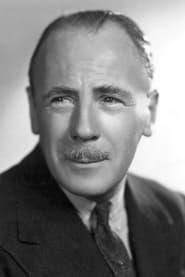
Roland Young
Actor
Born: November 11, 1887 in London, England Died: June 5, 1953 Active: 1912-1953 (stage), 1922-1948 (film)
Films
4 films
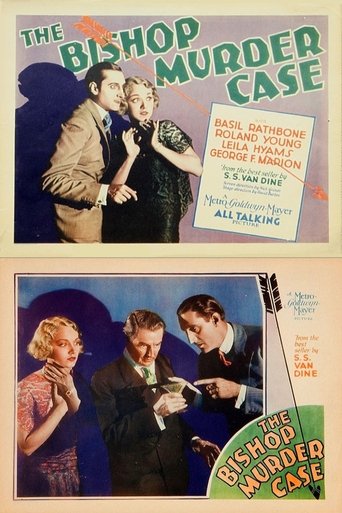
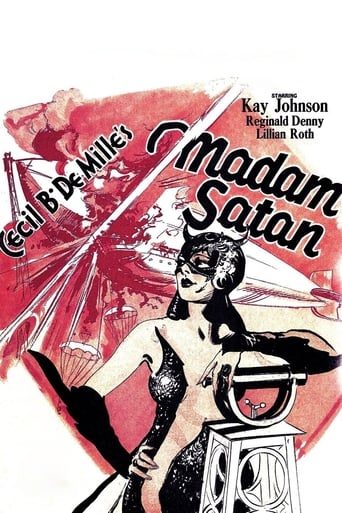
About Roland Young
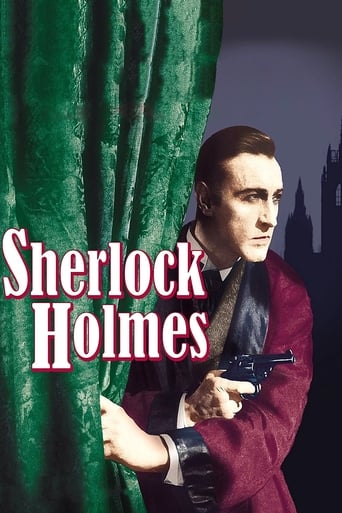
British-American actor: from the silent era through the Golden Age of Hollywood, renowned for his sophisticated comedic timing and urbane screen presence. Born in England in 1887, Young began his career on the London stage before making his way to Broadway and eventually transitioning to films in the early 1920s. His breakthrough role came as Sherlock Holmes in the 1922 silent film, where he brought a unique interpretation to Arthur Conan Doyle's detective. Young achieved his greatest fame playing Cosmo Topper in the popular Topper film series during the 1930s and early 1940s, a role that perfectly showcased his talent for playing bewildered, upper-class gentlemen caught in supernatural circumstances. Throughout his career, he appeared in over 80 films, working with major studios including MGM and RKO, often typecast as the quintessential English gentleman with a dry wit and nervous energy. His performances consistently elevated otherwise conventional material, and he received an Academy Award nomination for Best Actor for his role in 'The Man Who Could Work Miracles' (1936). Young's final film appearances came in the early 1940s before his death in 1953, leaving behind a legacy as one of Hollywood's most reliable and beloved character actors.
The Craft
On Screen
Young was master of the sophisticated comedic style, specializing in playing bewildered, upper-class gentlemen with impeccable timing and dry wit. His acting technique combined elements of British understatement with American physical comedy, creating a unique screen persona that was both dignified and delightfully flustered. He had a remarkable ability to convey panic and confusion through subtle facial expressions and nervous gestures, particularly when his characters encountered supernatural or extraordinary circumstances. Young's delivery was characterized by his distinctive, slightly quavering voice and precise diction, which he used to maximum comedic effect in dialogue-heavy scenes. His approach to comedy was rooted in the contrast between his characters' attempts to maintain British stiff-upper-lip decorum and the chaos surrounding them.
Milestones
- Stage debut in London's West End (1912)
- Broadway debut in 'The Great Adventure' (1913)
- First film role in Sherlock Holmes (1922)
- Academy Award nomination for 'The Man Who Could Work Miracles' (1936)
- Breakthrough as Cosmo Topper in 'Topper' (1937)
- Starred in three Topper sequels
- Final film role in 'And Then There Were None' (1945)
Best Known For
Iconic Roles
Must-See Films
Accolades
Won
- Academy Award nomination for Best Actor (1937)
Nominated
- Academy Award nomination for Best Actor for 'The Man Who Could Work Miracles' (1936)
Special Recognition
- Star on the Hollywood Walk of Fame (6624 Hollywood Blvd)
Working Relationships
Worked Often With
Studios
Why They Matter
Impact on Culture
Roland Young's portrayal of Cosmo Topper created one of early Hollywood's most enduring comedic archetypes - the respectable, buttoned-down protagonist whose life is upended by supernatural forces. The Topper films were among the first successful supernatural comedies, paving the way for later films in the genre. Young's sophisticated yet accessible comedic style helped bridge the gap between British and American humor in cinema, making him popular with audiences on both sides of the Atlantic. His performances demonstrated that character actors could carry major film franchises, challenging the Hollywood system's focus on leading men and romantic stars. The Topper series' success also proved that films with supernatural themes could be commercially viable in mainstream cinema during the Production Code era.
Lasting Legacy
Roland Young's legacy endures primarily through the enduring popularity of the Topper film series, which has been referenced and homaged in numerous subsequent films and television shows. His technique of combining dignity with comedic panic influenced generations of character actors, particularly those specializing in 'fish out of water' scenarios. Young's Academy Award nomination helped establish the credibility of comedic performances during a period when the Academy often favored dramatic roles. His career trajectory from stage to silent films to talkies exemplifies the successful adaptation required of actors during Hollywood's transition to sound. Film historians often cite Young as an example of how a character actor with a distinctive persona could achieve stardom without conforming to traditional leading man standards.
Who They Inspired
Young's acting style influenced later character actors including Jack Benny, who adopted a similar approach to playing sophisticated yet flustered gentlemen. His work in supernatural comedies paved the way for actors like Vincent Price, who would later star in similar genre films. The Topper films' success influenced later television sitcoms dealing with supernatural themes, including 'Bewitched' and 'The Ghost and Mrs. Muir.' Young's ability to maintain audience sympathy while playing increasingly exasperated characters became a template for comedic actors in similar roles. His career demonstrated that distinctive character actors could achieve lasting fame and financial success, encouraging studios to invest more in character-driven comedies rather than relying solely on traditional romantic leads.
Off Screen
Roland Young led a relatively private personal life, though he was known in Hollywood circles for his wit and sophistication off-screen as well as on. He married twice, first to the wealthy American socialite and novelist Marjorie Oelrichs, which brought him into New York's high society circles. After Oelrichs' untimely death, he later married Patience Dabney, with whom he remained until his death. Young was known for his love of literature and classical music, maintaining an extensive personal library and often entertaining fellow actors at his home with readings and musical evenings. Despite his success in Hollywood, he never fully lost his British accent or mannerisms, which contributed to his typecasting as English gentlemen. He was a member of the exclusive Hollywood Cricket Club and maintained friendships with many fellow British expatriate actors in Hollywood.
Education
Educated in England, attended Sherborne School in Dorset, later studied at the Royal Academy of Dramatic Art (RADA) in London
Family
- Marjorie Oelrichs (1921-1925, her death)
- Patience Dabney (1930-1953, his death)
Did You Know?
- Despite playing Sherlock Holmes in 1922, Young was only 35 years old at the time, making him one of the youngest actors to portray the detective in a major film
- He was a distant cousin of the famous British actress Lillie Langtry
- Young — accomplished painter and had several gallery shows of his watercolor landscapes
- He initially turned down the role of Cosmo Topper, thinking the film would be a flop
- The Topper films were so successful that they spawned a radio series and later a television show, though Young did not participate in either
- Young was one of the few actors who successfully transitioned from silent films to talkies without major career interruption
- He was a founding member of the Hollywood Anti-Nazi League in the 1930s
- Young spoke several languages fluently, including French, German, and Italian
- He never appeared in a Western film, despite being offered several roles in the genre
- Young's final film, 'And Then There Were None' (1945), was one of the first films to adapt an Agatha Christie novel for American audiences
In Their Own Words
I've always believed that comedy is simply tragedy viewed from a distance
Playing Topper was like being a straight man to the entire universe - everyone and everything was trying to drive me mad, and all I could do was try to maintain my dignity
The secret to making people laugh is to make them recognize the absurdity in their own attempts to maintain composure
In comedy, timing is everything, but in supernatural comedy, the timing has to be slightly off - that's where the humor comes from
Frequently Asked Questions
Who was Roland Young?
British-American with credits in this catalog. He was a character actor who transitioned successfully from silent films to talkies and received an Academy Award nomination for his dramatic work.
What films is Roland Young best known for?
Titles linked here include Topper (1937), Topper Takes a Trip (1938).
When was Roland Young born and when did he die?
Born November 11, 1887; died June 5, 1953.
What awards did Roland Young win?
While Roland Young did not win an Academy Award, he received a nomination for Best Actor for his performance in 'The Man Who Could Work Miracles' (1936). He was honored with a star on the Hollywood Walk of Fame for his contributions to film.
What was Roland Young's acting style?
Young specialized in sophisticated comedy, playing bewildered upper-class gentlemen with impeccable timing and dry wit. His style combined British understatement with American physical comedy, creating memorable characters who struggled to maintain dignity amidst chaos, particularly in supernatural situations.