
Topper Returns
"Topper is once again tormented by a fun-loving spirit"
Keys: Space play/pause · ←/→ 10s · F fullscreen · M mute · </> speed
About this film
Topper is once again tormented by a fun-loving spirit. This time, it's Gail Richards, accidentally murdered while vacationing at the home of her wealthy friend, Ann Carrington, the intended victim. With Topper's help, Gail sets out to find her killer with the expected zany result.
Cast & crew
More Comedy films
View all →






More from Roy Del Ruth
View all →
More about this film
About the production
Release dateMarch 21, 1941
ProductionHal Roach Studios
Filmed inHal Roach Studios, Culver City, California
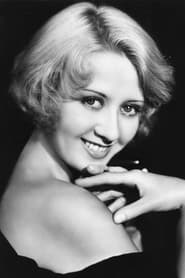
This was the third and final film in the Topper series, notable for being the only one without Billie Burke as Mrs. Topper. The film was produced during a transitional period for Hal Roach Studios as they shifted from short subjects to feature films. The special effects team used innovative techniques including double exposure, traveling mattes, and wire work to create the ghost sequences. Joan Blondell was reportedly cast because of her quick wit and comedic timing, which brought a different energy to the ghost role compared to Constance Bennett in the previous films.
Themes
Second chances and redemptionJustice beyond the graveThe thin veil between life and deathCourage vs. cowardiceGreed and its consequences
Themes & topics
ghostmurder mysterysupernatural comedyhaunted housemistaken identityinheritanceafterlifespirit detectivecomedy of errorsspecial effects
Historical background
By 1941, sound cinema, wartime mobilization, and changing censorship norms were reshaping what audiences expected from narrative features.
Why this film matters
Topper Returns remains part of the screen heritage of its era, offering evidence of prevailing genres, production methods, and audience tastes. Later revivals, archive screenings, and digitization have kept such titles accessible to researchers and dedicated viewers long after their first commercial runs.
Making of
The production faced several challenges during filming, particularly with the special effects sequences. The ghost effects required multiple takes and careful coordination between actors and the technical crew. Joan Blondell had to perform many scenes twice - once as the ghost and once for the composite shots. The film was shot quickly to capitalize on the success of the previous Topper films, with a production schedule of just over a month. Director Roy Del Ruth, known for his efficiency and comedy expertise, kept the pace brisk while maintaining the sophisticated humor that made the series popular. The chemistry between Blondell and Young was immediate, with their contrasting styles - Blondell's brassy, fast-talking persona versus Young's timid, bewildered character - creating a new dynamic for the series. The mansion set was so elaborate that it was reused in several subsequent Hal Roach productions.
What critics said
Reception records for Topper Returns are uneven; interest today is concentrated among archivists, historians, and viewers of older cinema. Modern assessment tends to emphasize historical value, craft, and cultural context rather than box-office performance.
Did you know?
- This was the final film in the Topper trilogy, following 'Topper' (1937) and 'Topper Takes a Trip' (1938)
- Joan Blondell reportedly received top billing over Roland Young for this film, reflecting her star status at the time
- The film was nominated for two Academy Awards and won one for Best Special Effects
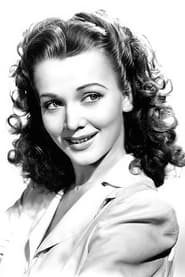
- Carole Landis was reportedly disappointed with her role and felt it was too small for her growing stardom
- The film's success led to a television series 'Topper' that ran from 1953-1955, though with different actors
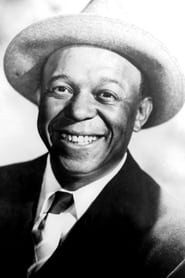
- Eddie 'Rochester' Anderson appears in a supporting role, bringing his signature comedy style to the proceedings
- The mansion set was among the costliest ever built at Hal Roach Studios at the time
- Billie Burke, who played Mrs. Topper in the first two films, does not appear in this installment
- The film was released just months before the U.S. entered World War II, making it one of the last pure escapist comedies before the war dominated Hollywood
- The special effects team used a combination of optical printing and in-camera effects to create the ghost appearances
Awards & recognition
- Academy Award for Best Special Effects (1941)
Visual style
The cinematography by Norbert Brodine employed innovative techniques to create the supernatural elements of the film. Brodine used a combination of double exposure, matte shots, and careful lighting to make the ghost interactions believable. The camera work often employed subtle movements to enhance the otherworldly atmosphere, particularly in scenes where Gail's ghost moves through solid objects. The mansion setting was lit to create a gothic atmosphere while still maintaining the comedic tone of the film. Brodine's experience with both comedy and horror films served him well in balancing these contrasting visual styles. The cinematography also made effective use of shadows and silhouettes to create suspense during the mystery sequences, while keeping the overall look bright enough for the comedy elements to land properly.
Innovations
The film's most significant technical achievement was its groundbreaking special effects, which earned it an Academy Award. The effects team, led by Roy Seawright, developed new techniques for making ghosts appear and disappear convincingly. They used a combination of optical printing, multiple exposures, and carefully choreographed wire work to create scenes where the ghost character interacts with the physical world. The film also featured innovative sound design techniques to create the ethereal quality of the ghost's voice. The traveling matte technology used in the film was particularly advanced for its time, allowing for more complex interactions between the living and dead characters. These technical innovations set new standards for supernatural effects in cinema and influenced how ghost stories would be filmed in subsequent decades.
Music
The musical score was composed by Roy Webb, who was known for his work on RKO Radio Pictures' films. Webb's music cleverly balanced the comedic and mysterious elements of the story, using leitmotifs for different characters and situations. The score featured playful, jaunty themes for the ghostly encounters and more suspenseful passages during the mystery sequences. The soundtrack also included popular songs of the era that were integrated into the narrative, reflecting the common practice of the time. The sound design was particularly important for the ghost effects, with the audio team creating ethereal voice qualities and supernatural sound effects that complemented the visual effects. The film's audio innovations contributed to its Academy Award nomination for Best Sound, recognizing the technical achievements in creating believable supernatural audio elements.
Famous quotes
Topper, you're the only person who can see and hear me. You've got to help me find my murderer!" - Gail Richards (Joan Blondell)
I'm dead, Topper. Stone dead. And it's all because somebody wanted to kill Ann Carrington." - Gail Richards
I've been through all this before with another ghost, but you're much more... articulate." - Cosmo Topper (Roland Young)
Being a ghost isn't as easy as it looks. You can't eat, you can't drink, and you certainly can't... well, you know." - Gail Richards
Topper, you're the most reluctant hero I've ever seen, living or dead." - Gail Richards
Memorable scenes
- The opening sequence where Topper picks up the ghost of Gail Richards while driving, establishing the supernatural premise with comedic flair
- The scene where Gail's ghost walks through walls and objects to demonstrate her spectral nature to a bewildered Topper
- The suspenseful sequence in the dark mansion where Gail leads Topper through the house to uncover clues about her murder
- The climactic confrontation scene where the killer is revealed through a combination of physical and supernatural evidence
- The final farewell scene between Gail and Topper, mixing comedy with genuine emotion as the ghost moves on to the afterlife
What audiences thought
Audiences in 1941 embraced 'Topper Returns' as a welcome return to the beloved Topper character. The film performed well at the box office, particularly in urban markets where sophisticated comedies tended to do better. Moviegoers appreciated the return of Roland Young's endearing portrayal of Cosmo Topper, while Joan Blondell's energetic performance was seen as a refreshing change from Constance Bennett's more ethereal ghost in the previous films. The mystery elements added an extra layer of engagement for audiences, making it more than just a simple comedy. In the decades since its release, the film has developed a cult following among classic film enthusiasts, particularly those who appreciate the technical innovations of early special effects. The movie's availability on home video and streaming platforms has introduced it to new generations, with many viewers praising its lighthearted approach to supernatural themes compared to darker modern ghost stories.
Film connections
Influenced by
- The Thin Man series (for the mystery-comedy blend)
- Here Comes Mr. Jordan (for supernatural comedy elements)
- Blithe Spirit (for ghostly comedy)
- The Ghost Breakers (for horror-comedy mix)
- Topper (1937) (direct predecessor)
This film influenced
- Ghost (1990)
- Beetlejuice (1988)
- The Frighteners (1996)
- Heaven Can Wait (1978)
- Ghostbusters (1984)
Film restoration
The film has been preserved by the UCLA Film and Television Archive and has undergone digital restoration. The original nitrate negatives were preserved before decomposition could set in, and the film is considered to be in good condition. A restored version was released on Blu-ray by The Criterion Collection as part of their classic film catalog, ensuring high-quality preservation for future generations. The special effects sequences, which were often the first to deteriorate in older films, have been particularly well-preserved, allowing modern audiences to appreciate the technical innovations of the time.
Where to watch
- The Criterion Channel (subscription streaming)
- Amazon Prime Video (for purchase or rental)
- YouTube Movies (for purchase or rental)
- Apple TV/iTunes (for purchase or rental)
- Google Play Movies (for purchase or rental)
- TCM (Turner Classic Movies - periodic broadcasts)
- Blu-ray - The Criterion Collection release