
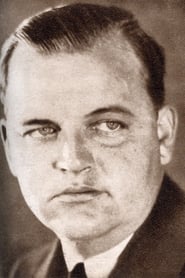
Roy Del Ruth
Director
Born: October 18, 1893 in Philadelphia, Pennsylvania, USA Died: April 27, 1961 Active: 1920-1960
Films
7 films
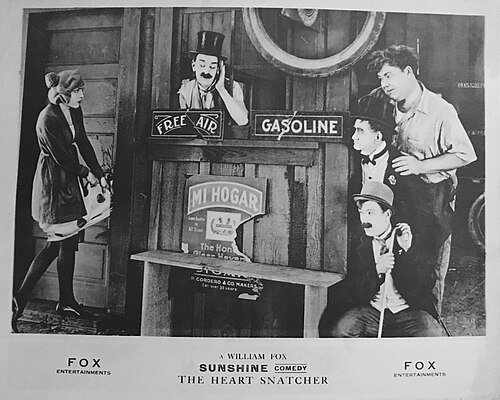

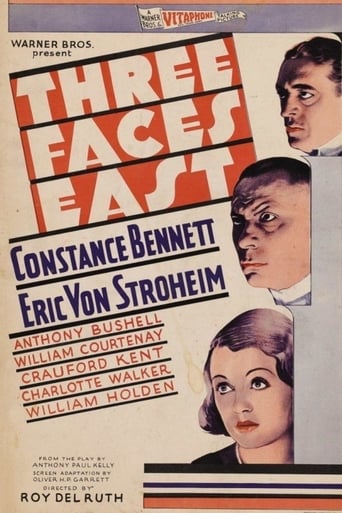
About Roy Del Ruth
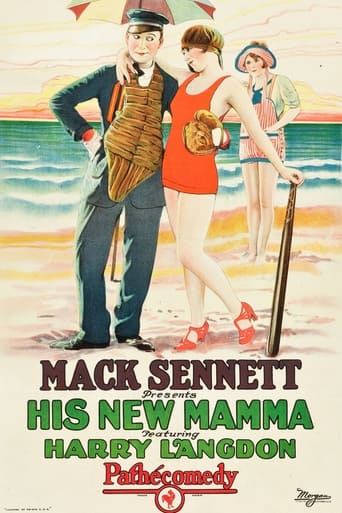
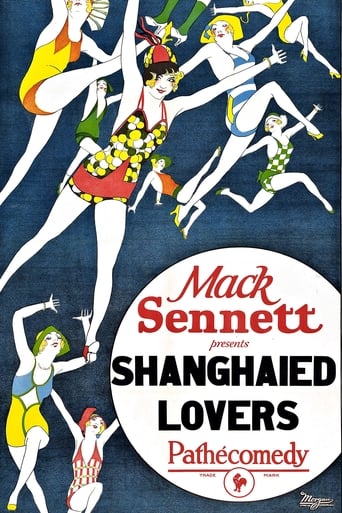
Prolific American film director: the transition from silent cinema to the Golden Age of Hollywood, directing over 100 films between 1920 and 1960. Beginning his career in the early 1920s, he initially specialized in silent comedies at Mack Sennett's studio before moving to Warner Bros., where he successfully navigated the challenging transition to sound films. Del Ruth demonstrated remarkable versatility across genres, directing everything from screwball comedies and musicals to film noir and dramas, often working with major stars of the era. His most significant period was during the 1930s when he directed several landmark films including the first sound version of 'The Maltese Falcon' (1931) and the controversial pre-Code drama 'Baby Face' (1933). After leaving Warner Bros., he worked at various studios including MGM and Paramount, continuing to deliver commercial successes throughout the 1940s. His later career included directing television episodes in the 1950s, making him one of the few directors from the silent era to adapt to the new medium. Del Ruth's career reflects the evolution of Hollywood itself, from the wild experimentation of the 1920s through the studio system's golden age and into the television era.
The Craft
Behind the Camera
Roy Del Ruth was known for his versatility and efficiency as a director, capable of working across multiple genres with equal competence. His directing style emphasized clear storytelling and strong pacing, particularly evident in his comedies where he demonstrated excellent timing and rhythm. During the early sound era, he developed techniques to handle the technical limitations of recording while maintaining visual interest, often using innovative camera movements and compositions. Del Ruth had a particular talent for bringing out the best in his actors, especially in comedy, where he allowed for improvisation while maintaining tight control over the narrative structure. His approach to musicals incorporated dynamic staging that made full use of the sound medium, while his dramatic films often featured sharp dialogue and atmospheric lighting that prefigured later film noir techniques.
Milestones
- Directed first sound version of The Maltese Falcon (1931)
- Successfully transitioned from silent films to talkies
- Directed over 100 films across multiple genres
- Directed controversial pre-Code film Baby Face (1933)
- Received Academy Award nomination for Best Director
- Worked with major stars including James Cagney, Bette Davis, and Joan Blondell
- Directed multiple musicals including Broadway Melody of 1936
- Adapted to television directing in the 1950s
Best Known For
Must-See Films
Accolades
Won
- Academy Award nomination for Best Director for 'Topper Returns' (1941)
Nominated
- Academy Award nomination for Best Director for 'Topper Returns' (1941)
- Directors Guild of America Award nominations for multiple films
Special Recognition
- Hollywood Walk of Fame star located at 6315 Hollywood Boulevard
- Recognized by Turner Classic Movies as a significant director of the Golden Age
Working Relationships
Worked Often With
Studios
Why They Matter
Impact on Culture
Roy Del Ruth played a significant role in the development of American cinema during its most transformative decades. His work during the early sound era helped establish conventions for sound filmmaking, particularly in comedy and musical genres. The 1931 version of 'The Maltese Falcon' that he directed, while overshadowed by the 1941 Humphrey Bogart classic, was an important early example of film noir aesthetics and helped establish the detective genre in sound cinema. His pre-Code films like 'Baby Face' pushed boundaries of what was acceptable in mainstream cinema, contributing to the eventual implementation of the Hays Code. Del Ruth's musicals, particularly 'Broadway Melody of 1936,' helped define the genre's conventions and influenced countless subsequent musical films. His ability to work across genres demonstrated the versatility that would become essential for studio directors during Hollywood's golden age.
Lasting Legacy
Roy Del Ruth's legacy lies in his remarkable productivity and adaptability during a period of unprecedented change in the film industry. While not as celebrated as some of his contemporaries, his body of work represents a comprehensive survey of American popular cinema from the silent era through the studio system's peak. His films serve as important historical documents of their time, reflecting the social attitudes, technical capabilities, and artistic trends of each decade. The rediscovery and restoration of some of his pre-Code films in recent years has led to a reevaluation of his contributions to American cinema. His successful transition from silent films to talkies, and later to television, makes him a case study in professional longevity and adaptability in the entertainment industry. Del Ruth's work continues to be studied by film historians for its insight into the evolution of Hollywood storytelling techniques and studio production methods.
Who They Inspired
Roy Del Ruth influenced subsequent generations of filmmakers through his efficient work methods and genre versatility. His early sound films demonstrated how to maintain visual dynamism despite the technical limitations of early recording equipment, techniques that were adopted by other directors. His approach to comedy, particularly his timing and pacing, influenced the development of screwball comedy in the 1930s. The detective films he directed helped establish visual and narrative conventions that would become standard in film noir. His musicals influenced the integration of song and narrative that would become standard in the genre. Many of the actors he worked with, particularly James Cagney and Joan Blondell, developed their screen personas under his direction, and his techniques for working with actors were studied by subsequent directors. His ability to deliver commercial hits while maintaining artistic quality set a standard for studio directors throughout the Golden Age.
Off Screen
Roy Del Ruth was married twice during his lifetime. His first marriage was to actress Winnie Lightner, a popular musical comedy star of the early 1930s, with whom he had two children. The marriage lasted from 1926 until their divorce in 1948. He later married Marie 'Peaches' Jackson in 1950, who had been an actress in her youth. Del Ruth was known in Hollywood circles as a professional who maintained good relationships with his cast and crew, though he was not particularly involved in the social aspects of Hollywood life. He was described by colleagues as hardworking and dedicated to his craft, often taking on multiple projects simultaneously during his most productive years.
Education
Limited formal education, learned filmmaking through practical experience in the early film industry
Family
- Winnie Lightner (1926-1948)
- Marie 'Peaches' Jackson (1950-1961)
Did You Know?
- Directed over 100 films during his 40-year career
- Made the transition from silent films to talkies without missing a beat
- His 1931 'Maltese Falcon' was the first sound version of the Dashiell Hammett novel
- His film 'Baby Face' (1933) was
- Was one of the first directors to successfully adapt to television in the 1950s
- Often worked on multiple films simultaneously during his Warner Bros. Years
- His films were known for their tight schedules and economical production methods
- Directed three different versions of essentially the same story early in his career
- Was a favorite director of Warner Bros. Star James Cagney early in Cagney's career
- His star on the Hollywood Walk of Fame was awarded in 1960, shortly before his death
In Their Own Words
A director's job is to get the performance he wants, not necessarily the performance the actor wants to give.
Making pictures is like making sausages - it's better not to see how it's done.
The secret to directing is knowing when to say 'action' and when to say 'cut' - and everything in between is just details.
In the early days of sound, we were all learning together. The actors had to learn to speak to the microphone, and we had to learn to listen to them.
Frequently Asked Questions
Who was Roy Del Ruth?
Prolific American on YTB.my. He was known for his versatility across genres and his successful transition from silent films to talkies.
What films is Roy Del Ruth best known for?
Titles linked here include The Maltese Falcon (1931), Baby Face (1933).
When was Roy Del Ruth born and when did he die?
Born October 18, 1893; died April 27, 1961.
What awards did Roy Del Ruth win?
Roy Del Ruth received an Academy Award nomination for Best Director for 'Topper Returns' (1941) and was honored with a star on the Hollywood Walk of Fame. While he didn't win an Oscar, his films were commercially successful throughout his career.
What was Roy Del Ruth's directing style?
Del Ruth was known for his versatility, efficiency, and clear storytelling across multiple genres. He excelled at comedy timing, adapted well to early sound technology, and had a talent for bringing out strong performances from his actors while maintaining tight narrative control.
How did Roy Del Ruth contribute to early sound cinema?
Del Ruth was one of the few directors who successfully transitioned from silent films to talkies, developing techniques to handle early sound recording limitations while maintaining visual interest. His early sound films helped establish conventions for the new medium.
Did Roy Del Ruth work with major Hollywood stars?
Yes, Del Ruth worked with many major stars including James Cagney, Bette Davis, Joan Blondell, Barbara Stanwyck, Dick Powell, and Warren William, often helping establish their screen personas in early roles.