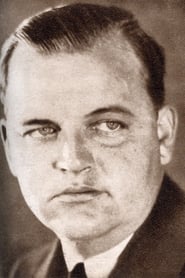
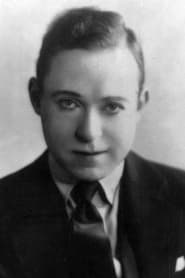
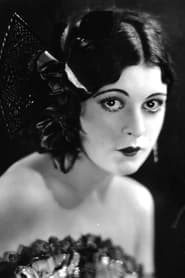
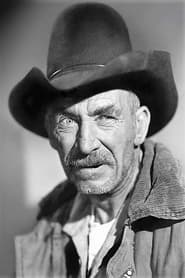
His New Mamma
"Farm exile, cab revenge"
Keys: Space play/pause · ←/→ 10s · F fullscreen · M mute · </> speed
About this film
A farm father mistakes his son's intentions toward his fiancée and banishes the boy, who later drives a cab in California and uncovers betrayal in this 1924 comedy-drama.
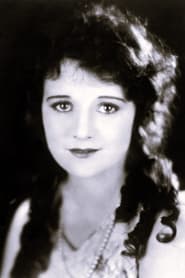
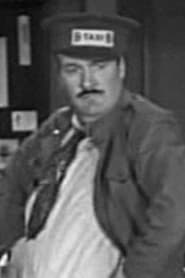
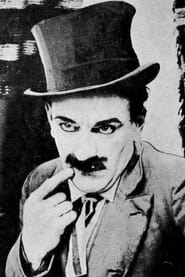
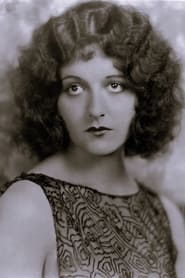
Cast & crew
More films like this
More Comedy films
View all →







More from Roy Del Ruth
View all →
More about this film
About the production
Release date1924
Box officeUnknown
ProductionMack Sennett Comedies
Filmed inCalifornia, Los Angeles area
This was one of Harry Langdon's early short comedies during his transition from vaudeville to film. The film was typical of Mack Sennett's rapid production schedule, with most Sennett shorts being completed in just a few days. The beach scenes were likely filmed at Santa Monica or Venice Beach, popular locations for Sennett productions.
Themes
Themes & topics
Historical background
His New Mamma fits rural-to-urban migration plots popular in silent comedy-dramas.
Why this film matters
While His New Mamma is not considered a major classic of silent cinema, it represents an important transitional work in Harry Langdon's career and exemplifies the typical comedy short format of the era. The film presents the popular 'fish out of water' comedy premise that would become a staple of American comedy throughout the 20th century. As a product of Mack Sennett's studio, it contributes to our understanding of the assembly-line approach to comedy production that dominated Hollywood during the silent era. The film also reflects the cultural tensions of the 1920s, particularly the urban-rural divide and the challenges of adaptation to modern American life. Its preservation status is typical of many Sennett shorts - some copies exist in archives but it's not widely available, making it primarily of interest to silent film enthusiasts and scholars.
Making of
His New Mamma was produced during Harry Langdon's formative period in cinema, before he achieved stardom with his signature 'baby man' character. The film was shot quickly under Mack Sennett's efficient production system, which emphasized speed and quantity. Roy Del Ruth, who would later become a prominent director in Hollywood's studio system, was honing his craft directing numerous shorts for Sennett. The cast included Madeline Hurlock, who was part of Sennett's famous troupe of 'Bathing Beauties' before transitioning to more substantial acting roles. The beach sequences likely utilized Sennett's preferred coastal shooting locations, which provided both scenic backdrops and opportunities for physical comedy. The film's production values were typical of Sennett comedies of the era - functional but not elaborate, with the focus squarely on the comedic performances and situational humor.
What critics said
Minor entry in rural misunderstanding genre.
Did you know?
- This was one of Harry Langdon's earliest film appearances before he became a major comedy star
- Roy Del Ruth directed numerous shorts for Mack Sennett before transitioning to feature films and sound pictures
- The film represents the classic 'country boy in the big city' trope popular in silent comedies
- Harry Langdon's character in presents his developing 'baby man' persona that would later make him famous
- Mack Sennett was known for producing comedy shorts at a rapid pace, often completing multiple films per week
- The film was released during the peak of silent comedy's golden age
- Andy Clyde would later become a prolific character actor in both silent and sound films
- Madeline Hurlock was one of Sennett's regular 'Bathing Beauties' who transitioned to acting
- Many Sennett shorts from this period have been lost due to the unstable nitrate film stock used at the time
- The taxi driver profession was a common occupation for comedy protagonists in films set in urban environments
Visual style
The cinematography in His New Mamma would have been straightforward and functional, typical of comedy shorts produced quickly under the studio system. The camera work likely emphasized clear framing of the comedic action and physical gags rather than artistic flourishes. The beach sequences would have offered opportunities for exterior shots and natural lighting, contrasting with the likely interior studio sets for the taxi scenes. The film was shot in the standard 1.33:1 aspect ratio of the silent era. Visual comedy would have been enhanced through careful composition and timing, with the cinematographer working closely with the director to ensure that physical gags were clearly visible and effectively presented.
Innovations
His New Mamma does not appear to feature any notable technical innovations or achievements. The film utilized standard production techniques and technology of the 1924 silent era. The technical aspects were likely functional and efficient, in keeping with Mack Sennett's emphasis on rapid production schedules. The film would have been shot on nitrate film stock, which was standard at the time but has since proven problematic for preservation. Any technical merits would be in the effective execution of physical comedy and timing rather than in technical innovation.
Music
As a silent film, His New Mamma would have been accompanied by live musical performance during its theatrical run. The typical accompaniment for a comedy short of this length would have been a pianist or small theater orchestra. The music would have been selected to complement the on-screen action, with upbeat, playful themes for comedic moments and more romantic melodies for the scenes between the young couple. Some theaters might have used cue sheets or photoplay music specifically designed for comedy scenes. The exact musical selections used in the film's original release are not documented, which was common for short subjects of the era.
Famous quotes
As a silent film, His New Mamma contains no spoken dialogue. Any quotes would be from intertitle cards, but specific intertitle text from is not documented in available sources.
Memorable scenes
- The farm boy's banishment from home, his arrival and confusion in the big city of California, the meeting with his love interest during a taxi fare, the beach scene where he spots his father's fiancée with another man, the comedic attempts to prevent the marriage
What audiences thought
Audience reception for His New Mamma in 1924 would have been typical of short comedy subjects of the era - generally positive as long as the film delivered laughs and entertainment. Theater-goers of the 1920s expected short comedies to provide light entertainment between feature presentations, and Sennett productions were usually reliable in this regard. The film's simple premise and physical comedy would have appealed to the broad audiences of silent cinema. Modern audience reception is limited to silent film enthusiasts and scholars, as the film is not widely accessible to general audiences today. Those who have seen it generally appreciate it as an example of early Harry Langdon work and a representative sample of 1920s comedy shorts.
Film connections
Influenced by
- Mack Sennett comedy style
- Charlie Chaplin's tramp character
- Harold Lloyd's comedy persona
This film influenced
- Later Harry Langdon features
- Other 'country boy in city' comedies
Film restoration
The preservation status of His New Mamma is uncertain. Like many silent shorts from this period, particularly those from Mack Sennett's studio, the film may exist in archives but is not widely accessible. Some copies might be held in film archives such as the Library of Congress or the Academy Film Archive, but comprehensive preservation information is not readily available. The film's survival status is typical of many lesser-known shorts from the 1920s - it may exist in whole or in part, but is not part of the regular circulation of preserved silent films.
Where to watch
- His New Mamma is not currently available on major streaming platforms or home video. The film may be accessible through film archives, specialized silent film collections, or occasional screenings at silent film festivals. Researchers and serious enthusiasts might be able to view it through archival arrangements or film preservation institutions.