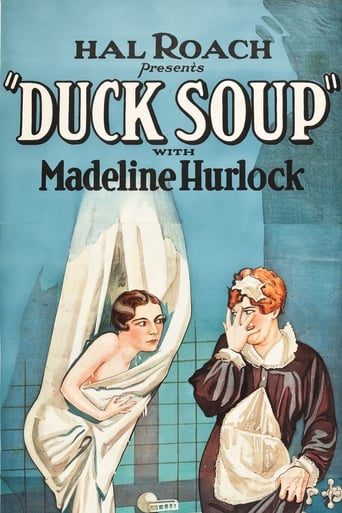
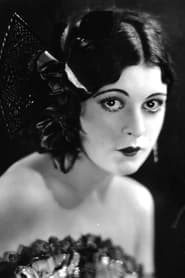
Madeline Hurlock
Actor
Born: December 12, 1899 in Baltimore, Maryland, USA Died: April 4, 1989 Active: 1924-1927
Films
10 films

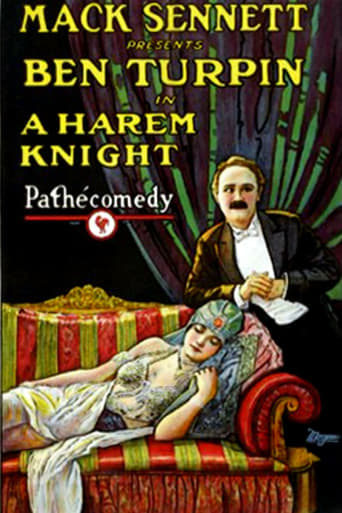
About Madeline Hurlock
American silent film actress who rose to prominence in the mid-1920s as a talented comedienne and bathing beauty. Born in Baltimore, Maryland, she began her film career in 1924 and quickly became a featured player in comedy shorts, particularly those produced by Mack Sennett. Hurlock possessed a natural comedic timing and expressive face that translated perfectly to silent cinema, making her a popular supporting actress in numerous two-reel comedies. She frequently appeared alongside established comedy stars of the era, often playing the romantic interest or comic foil. Her most productive period spanned from 1924 to 1927, during which she appeared in approximately 30-40 comedy shorts. Like many silent era performers whose careers were tied to specific studios and genres, Hurlock's film presence diminished significantly with the transition to sound films. She retired from acting in the late 1920s, leaving behind a modest but memorable legacy in silent comedy cinema.
The Craft
On Screen
Hurlock specialized in physical comedy and expressive pantomime, utilizing her animated facial expressions and graceful yet comedic movements to convey humor in silent films. Her style was energetic and playful, often incorporating elements of slapstick while maintaining an air of feminine charm. She excelled at playing both the straight woman and the comedic foil, adapting her performance to support the leading comedians she worked with. Her background as a dancer likely contributed to her physical comedy skills and screen presence.
Milestones
- Breakthrough role in Mack Sennett comedy shorts (1924)
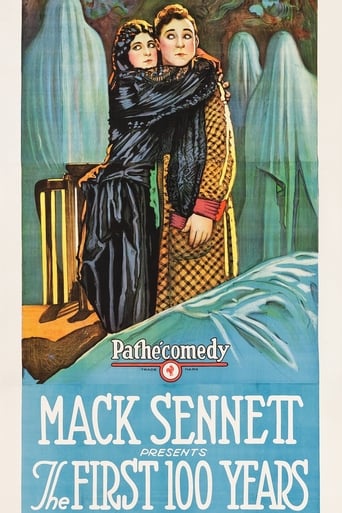
- Featured appearance in 'The First 100 Years' (1924)
- Regular work in Hal Roach and Mack Sennett productions
- Recognition as one of Sennett's bathing beauties
- Transition from extra to featured comedic actress within one year
Best Known For
Iconic Roles
Must-See Films
Accolades
Special Recognition
- Recognition as one of Mack Sennett's notable bathing beauties
Working Relationships
Worked Often With
Studios
Why They Matter
Impact on Culture
Madeline Hurlock contributed to the golden age of silent comedy as part of the ensemble casts that defined the genre. As one of Mack Sennett's bathing beauties, she represented the idealized femininity of the 1920s while demonstrating that women could be more than just decorative elements in comedy. Her work helped establish the template for female comedic supporting roles in short films, showing how actresses could enhance comedic situations without being the primary focus. Hurlock's career exemplifies the opportunities available to women in early Hollywood and the challenges they faced with the advent of sound cinema.
Lasting Legacy
Though not widely remembered today, Madeline Hurlock's legacy persists through the preservation of silent comedy shorts in which she appeared. These films serve as valuable historical documents of 1920s comedy and provide insight into the collaborative nature of early film production. Her work represents the contributions of countless supporting players who were essential to the success of silent cinema but whose names have faded from popular memory. Film historians and silent cinema enthusiasts continue to recognize her as an important part of the Mack Sennett comedy legacy.
Who They Inspired
Hurlock influenced subsequent generations of comedic actresses by demonstrating how supporting roles could be memorable and impactful. Her ability to balance glamour with comedy set a standard for female performers in ensemble casts. The physical comedy techniques she employed in silent films influenced later comedic performers, even as the medium evolved. Her career trajectory also serves as an example of the challenges faced by many silent era actors during the transition to sound, highlighting the industry's rapid evolution during the late 1920s.
Off Screen
Madeline Hurlock married actor and director Ralph Graves in 1925, with whom she had one child. Their marriage lasted until Graves' death in 1957. After retiring from films, Hurlock largely withdrew from public life and focused on her family. She lived for many years in California and remained connected to the film community through her husband's continued work in the industry. In her later years, she occasionally participated in silent film retrospectives and reunions, sharing memories of the early days of Hollywood.
Education
Educational background not publicly documented, likely received formal training in dance and performing arts
Family
- Ralph Graves (1925-1957)
Did You Know?
- Was one of Mack Sennett's famous 'bathing beauties' in the 1920s
- Appeared in over 30 films during her brief four-year career
- Many of her films have been lost due to the deterioration of nitrate film stock
- Often worked with comedy legend Harry Langdon
- Was discovered while working as a model in New York
- Her husband Ralph Graves was also a successful actor and director
- Retired from films before the full transition to sound cinema
- Lived to be 89 years old, outliving most of her silent era contemporaries
- Her films are now preserved in various film archives and occasionally shown at silent film festivals
- Never made a talking picture, ending her career with the silent era
In Their Own Words
No documented famous quotes from Madeline Hurlock
Frequently Asked Questions
Who was Madeline Hurlock?
American silent film actress active from 1924 to 1927, best known for her work in comedy shorts produced by Mack Sennett. She was one of Sennett's bathing beauties and appeared in numerous two-reel comedies alongside stars like Harry Langdon.
What films is Madeline Hurlock best known for?
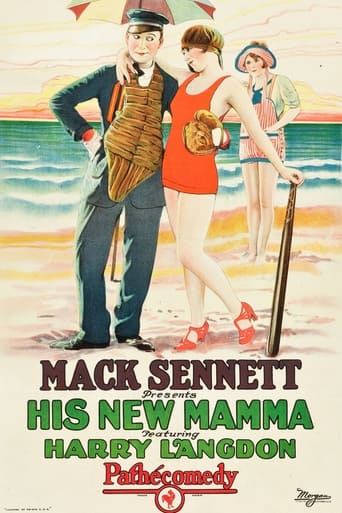
Titles linked here include The First 100 Years (1924), His New Mamma (1924).
When was Madeline Hurlock born and when did she die?
Born December 12, 1899; died April 4, 1989.
What awards did Madeline Hurlock win?
Madeline Hurlock did not receive any major formal awards during her career, as was common for supporting actors in the silent era. Her recognition came primarily through her popularity as one of Mack Sennett's bathing beauties and her consistent work in comedy shorts.
What was Madeline Hurlock's acting style?
Hurlock specialized in physical comedy and expressive pantomime, using animated facial expressions and graceful comedic movements. Her style was energetic and playful, excelling at both straight woman and comedic foil roles while maintaining feminine charm.
Why did Madeline Hurlock's career end in 1927?
Hurlock's career ended around 1927, likely due to the transition to sound films. Many silent era actors, particularly those with distinctive voices or specialized in pantomime-based comedy, found it difficult to adapt to talking pictures. She chose to retire rather than attempt the transition.
Was Madeline Hurlock married?
Yes, Madeline Hurlock married actor and director Ralph Graves in 1925. Their marriage lasted until Graves' death in 1957, and they had one child together.