
Duck Soup
"Tramps hide in a mansion while the owner is away."
Keys: Space play/pause · ←/→ 10s · F fullscreen · M mute · </> speed
About this film
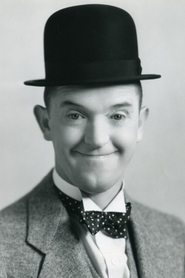
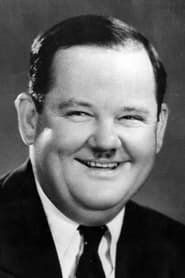
Fleeing a group of forest rangers, who are rounding up tramps to serve as firefighters, they take refuge in a mansion. The owner has gone on vacation and the servants are away, so Hardy pretends to be the owner and offers to rent the house to an English couple. Hardy gets Laurel to pose as the maid. Unfortunately, the owner returns and tells the would-be renters that he owns the house; Laurel and Hardy then flee again and are caught by the rangers and forced to fight wildfires.
Cast & crew
More films like this
More Comedy films
View all →







More from Fred Guiol
View all →
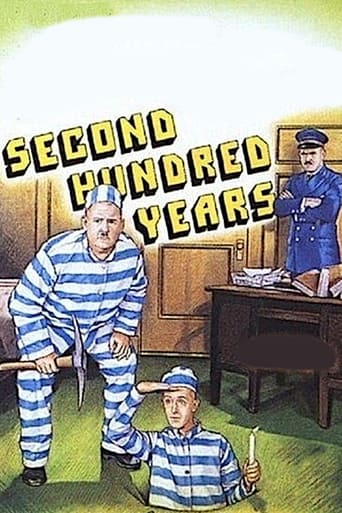
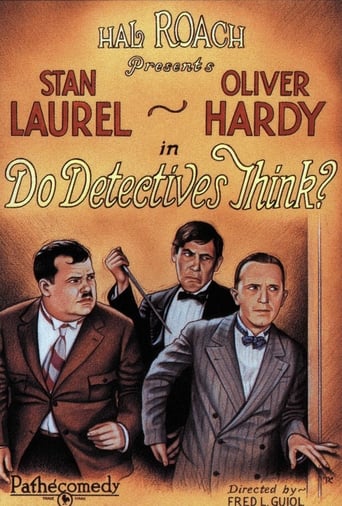
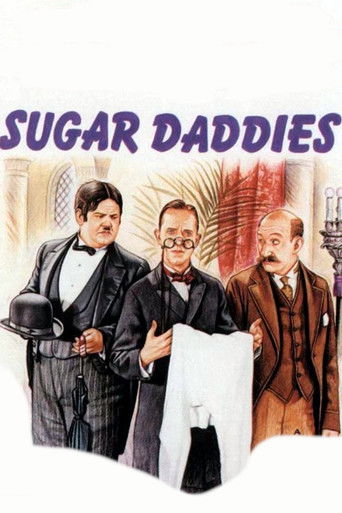
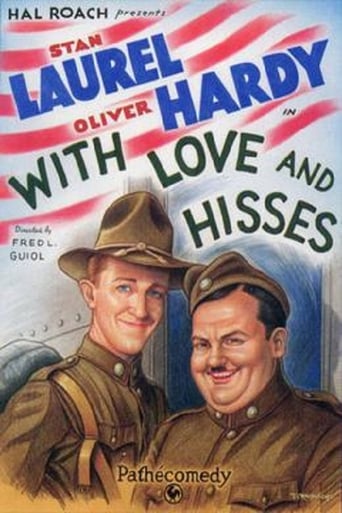
More about this film
About the production
Release dateMarch 12, 1927
Box officeBox office figures not individually tracked for short subjects in this era
ProductionHal Roach Studios
Filmed inHal Roach Studios, Culver City, California
This film was produced during the transition period when Laurel and Hardy were developing their classic comedic partnership. The mansion scenes were filmed on studio sets, with exterior shots possibly utilizing the studio's backlot. The production utilized standard silent film techniques including intertitles for dialogue and musical accompaniment during theatrical showings. The firefighting sequences required careful coordination of smoke effects and stunt work, typical of the practical effects era of silent comedy.
Themes
Class and social aspirationIdentity and deceptionAuthority and rebellionFriendship and loyaltyThe absurdity of social conventions
Themes & topics
mansionimpersonationforest rangerswildfiremistaken identityservantsrentalchaseslapsticksilent comedyshort filmduodeceptionvacationfirefighting
Historical background
Duck Soup (1927) survives in catalogs and archives as a record of late silent cinema.
Why this film matters
Scholars and collectors reference Duck Soup when discussing how late silent cinema filmmakers addressed popular themes.
Making of
The production of 'Duck Soup' took place during a crucial period in comedy history when the Laurel and Hardy partnership was solidifying. Fred Guiol, who had directed both comedians individually, recognized their chemistry and began developing films that would showcase their complementary styles. The mansion set was an elaborate construction for a short film, demonstrating Roach Studios' investment in the team. The firefighting sequences required careful timing and coordination, with the actors performing their own stunts in smoke-filled conditions. The film's pacing and gags were meticulously rehearsed, with Laurel contributing significantly to the physical comedy elements while Hardy perfected his pompous yet vulnerable character traits. The production team utilized multiple cameras to capture the elaborate physical gags, a technique becoming more sophisticated in late silent films.
What critics said
Later retrospectives treat Duck Soup (1927) as representative late silent cinema fare valued by archivists and genre historians.
Did you know?
- This is one of the earliest films where Stan Laurel and Oliver Hardy appear together as a recognizable comedy team, though their classic characters were still being developed.
- The title 'Duck Soup' has no relation to the plot; it was a common slang phrase of the era meaning something easy or simple, ironically contrasting with the characters' complicated predicaments.
- Madeline Hurlock, who appears in the film, was a popular comedy actress of the 1920s who frequently worked with the Hal Roach studio.
- The film was released just before the advent of sound in motion pictures, making it part of the final wave of classic silent comedies.
- Director Fred Guiol was a key figure at Hal Roach Studios who worked extensively with Laurel and Hardy throughout their career.
- The forest ranger subplot reflects real concerns about wildfires in California during the 1920s, a recurring environmental issue in the state.
- This film is sometimes confused with the 1933 Marx Brothers film of the same name, though they share no connection beyond the title.
- The mansion setting became a recurring trope in Laurel and Hardy films, often serving as a backdrop for their social-climbing schemes.
- Original prints of the film featured tinted sequences, a common practice in silent films to enhance mood and atmosphere.
- The English couple characters represent the popular silent film trope of befuddled foreigners encountering American chaos.
Visual style
The cinematography by George Stevens employs the sophisticated techniques of late silent-era comedy, including careful composition of wide shots to capture physical gags and medium close-ups to emphasize character reactions. The camera work demonstrates the increasing mobility of cameras in 1927, with tracking shots following the characters' movements through the mansion. The lighting techniques create dramatic contrast between the elegant mansion setting and the chaotic comedy, using high-key lighting for the interior scenes and more naturalistic lighting for the exterior forest sequences. The visual storytelling effectively conveys the narrative without dialogue, relying on expressive performances and carefully staged action sequences.
Innovations
While not groundbreaking in technical terms, 'Duck Soup' demonstrates the refinement of silent film techniques by 1927. The film utilizes multiple camera angles and editing rhythms that enhance the comedic timing. The special effects for the firefighting sequences, including smoke and fire effects, represent the state-of-the-art practical effects of the era. The film's pacing and gag structure show the sophisticated understanding of comedic timing that had developed in silent comedy by this period. The preservation of the film's visual quality in surviving prints demonstrates the high standards of film stock and processing techniques used by major studios like Hal Roach Productions.
Music
As a silent film, 'Duck Soup' would have been accompanied by live musical performance during its original theatrical run. The typical score would have been compiled from popular classical pieces and original compositions by theater musicians, synchronized to the on-screen action. The mansion scenes would likely have been accompanied by light, sophisticated music, while the chase and firefighting sequences would have featured more frantic, percussive compositions. Modern releases of the film feature newly composed scores by silent film accompanists who recreate the authentic musical experience of the 1920s cinema.
Famous quotes
(Intertitle) 'Gentlemen, I am the owner of this magnificent estate!'
(Intertitle) 'Stanley, you'll make a perfectly lovely maid!'
(Intertitle) 'We're looking for a place to rest our weary bones'
(Intertitle) 'The rangers are coming! We must escape!'
Memorable scenes
- The opening chase sequence where Laurel and Hardy flee from the forest rangers through the woods, showcasing their increasingly desperate attempts to escape capture. The transformation scene where Hardy convinces Laurel to dress as a maid, complete with awkward costume adjustments and comic resistance. The climactic confrontation when the real homeowner returns, leading to a chaotic reveal of their deception to the English couple. The final firefighting sequence where the duo, now conscripted by the rangers, comically battle wildfires with inadequate equipment and mounting panic.
What audiences thought
The film was well-received by contemporary audiences who were increasingly familiar with the Laurel and Hardy pairing. Theater audiences responded enthusiastically to the physical comedy and the familiar trope of the comedians getting into increasingly complicated situations. The film's success contributed to the growing popularity of Laurel and Hardy as a team, leading to more substantial roles and longer films in subsequent years. Modern audiences viewing the film in revival screenings and on home media continue to appreciate the timeless nature of the physical comedy and the universal appeal of the duo's character dynamics.
Film connections
Influenced by
- Earlier Hal Roach comedy shorts
- Mack Sennett comedies
- Charlie Chaplin's social commentary
- Buster Keaton's technical precision
- Harold Lloyd's everyman character
This film influenced
- Later Laurel and Hardy features
- The Three Stooges shorts
- Abbott and Costello films
- Martin and Lewis comedies
- Modern physical comedy duos
Film restoration
The film survives in complete form and has been preserved by major film archives including the Library of Congress and the UCLA Film & Television Archive. Restored versions are available, showing the film in excellent condition for its age. Some original tinted versions may be lost, but the black and white version represents the film as most commonly viewed. The film has been released on DVD and Blu-ray as part of Laurel and Hardy collections, ensuring its accessibility to modern audiences.
Where to watch
- The Criterion Collection Laurel and Hardy DVD sets
- Kino Lorber Blu-ray releases
- Streaming services specializing in classic films
- The Internet Archive (public domain status)
- Turner Classic Movies broadcast schedule
- Film archive screenings and revival houses