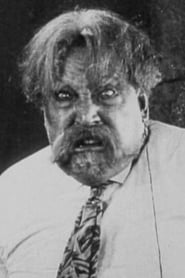
James A. Marcus
Actor
Born: January 21, 1867 in New York City, New York, USA Died: December 15, 1937 Active: 1915-1927
Films
10 films

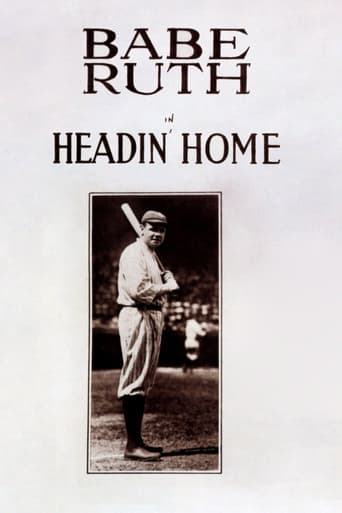
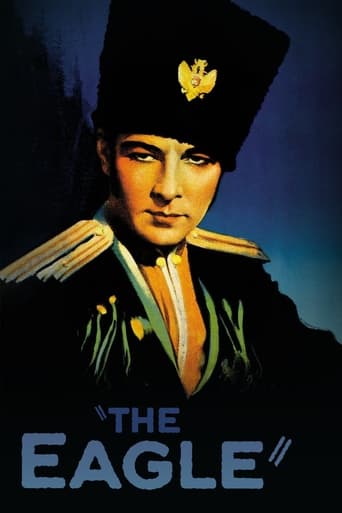
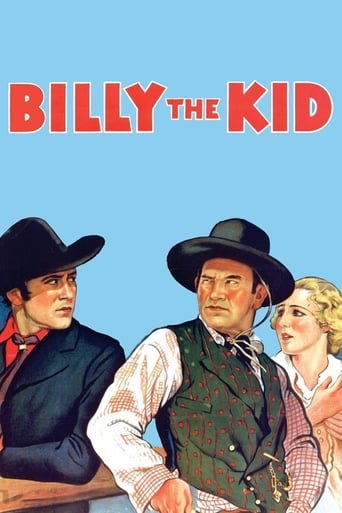
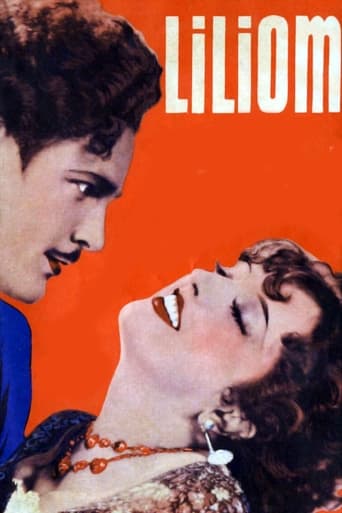
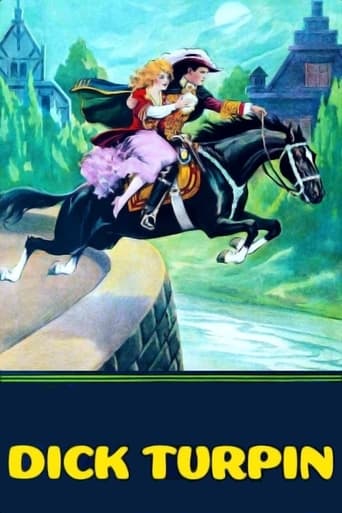
About James A. Marcus
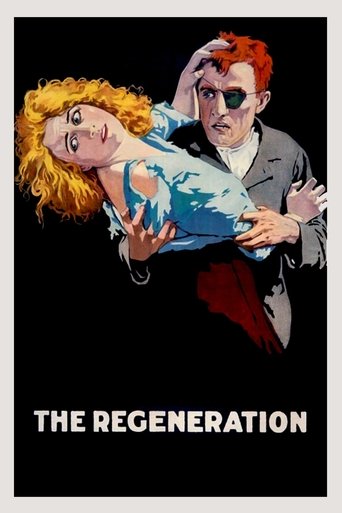
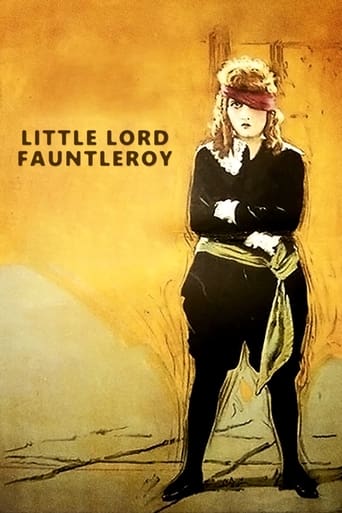
prolific character actor of the silent film era — known for his imposing presence and versatility in supporting roles. Beginning his career in 1915 with Raoul Walsh's gangster film 'The Regeneration,' Marcus quickly established himself as a reliable character actor who could portray both villains and sympathetic figures with equal skill. Throughout his career, he appeared in over 80 films, working with some of the most prominent directors of the era, including Raoul Walsh, John Ford, and Rex Ingram. His most notable performances included roles in 'Little Lord Fauntleroy' (1921) where he played Mr. Hobbs, and 'Oliver Twist' (1922) as Mr. Brownlow. Marcus had a particular talent for portraying authority figures, often playing judges, fathers, and wealthy businessmen. His the entire silent era, from its artistic peak in the mid-1910s through its transition to sound in the late 1920s. Despite never achieving leading man status, Marcus became recognizable character faces in Hollywood, respected for his professionalism and consistent performances across a wide range of genres.
The Craft
On Screen
Marcus employed a naturalistic acting style that was ahead of its time for the silent era, avoiding the exaggerated gestures common among many of his contemporaries. He had a commanding screen presence and used subtle facial expressions and body language to convey emotion, making him particularly effective in dramatic roles. His performances were characterized by their restraint and dignity, bringing authenticity to authority figures and paternal roles. Marcus had the ability to switch seamlessly between playing sympathetic characters and villains, showcasing remarkable range for a character actor.
Milestones
- Breakthrough role in 'The Regeneration' (1915)
- Memorable performance as Mr. Hobbs in 'Little Lord Fauntleroy' (1921)
- Portrayal of Mr. Brownlow in 'Oliver Twist' (1922)
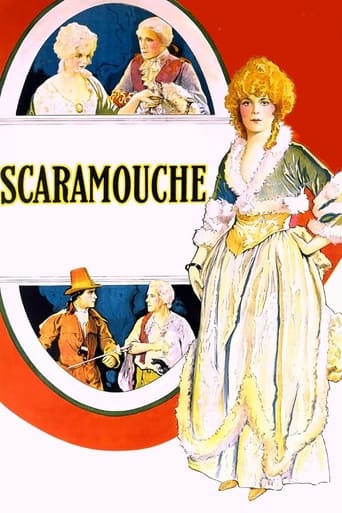
- Key supporting role in 'Scaramouche' (1923)
- Appeared in over 80 films during his 12-year career
Best Known For
Iconic Roles
Must-See Films
Accolades
Special Recognition
- Recognized as
- Posthumous appreciation by film historians for contributions to early cinema
Working Relationships
Worked Often With
Studios
Why They Matter
Impact on Culture
James A. Marcus contributed significantly to the development of character acting in American cinema during its formative years. His naturalistic approach to performance helped establish a template for supporting actors in Hollywood, demonstrating that character roles could be as compelling as leads. Marcus worked during a crucial period when cinema was evolving from short subjects to feature-length narratives, and his consistent, professional performances helped legitimize the medium as a serious art form. His ability to bring depth to relatively minor roles showed early audiences and filmmakers alike the importance of ensemble casting in creating believable cinematic worlds.
Lasting Legacy
James A. Marcus left a lasting legacy as one of the unsung heroes of silent cinema. While never a household name like some of his contemporaries, his body of work represents the backbone of early Hollywood filmmaking. Film historians and silent cinema enthusiasts recognize Marcus as an exemplary character actor whose performances elevated numerous productions. His work survives as proof of the craftsmanship of early cinema, and his films continue to be studied and appreciated for their artistic merit. Marcus exemplifies the dedicated professional actors who built the foundation of the American film industry.
Who They Inspired
Marcus influenced subsequent generations of character actors by demonstrating the importance of subtlety and restraint in film performance. His naturalistic style predated many of the acting techniques that would become standard in sound cinema. Younger actors studying his performances could learn valuable lessons about conveying emotion through minimal gestures and expressions. His career also showed that a successful Hollywood career could be built entirely on character roles, paving the way for future generations of supporting actors.
Off Screen
James A. Marcus was married to actress Claire McDowell, with whom he frequently appeared on screen. Their marriage was one of the notable partnerships in early Hollywood, as both were established character actors who often worked together. Marcus was known as a dedicated professional who took his craft seriously, earning respect from directors and fellow actors alike. Despite his success in films, he maintained a relatively private personal life away from the Hollywood spotlight.
Family
- Claire McDowell (1915-1937)
Did You Know?
- Began his film career at the relatively advanced age of 48
- Was married to actress Claire McDowell, and they often appeared together in films
- Appeared in three films with child star Jackie Coogan
- Worked with director Raoul Walsh on multiple occasions
- His final film appearance was in 1927, just as sound was revolutionizing the industry
- Despite his imposing presence on screen, he was known as a gentle and kind person off-camera
- Often played judges, fathers, and other authority figures due to his dignified appearance
- Was part of the transition from short films to feature-length productions in Hollywood
- His active years covered exactly the period when American cinema matured into a major industry
- Never made a successful transition to sound films, retiring as many silent era actors did
In Their Own Words
The art of character acting is not to steal scenes, but to make the entire film better
In pictures, as in life, it's the small details that make the whole believable
Frequently Asked Questions
Who was James A. Marcus?
Prominent American character with credits in this catalog. He appeared in over 80 films and was known for his dignified presence and naturalistic acting style, often playing authority figures and paternal roles.
What films is James A. Marcus best known for?
Titles linked here include The Regeneration (1915), Little Lord Fauntleroy (1921).
When was James A. Marcus born and when did he die?
Born January 21, 1867; died December 15, 1937.
What awards did James A. Marcus win?
James A. Marcus did not receive major formal awards during his career, as the Academy Awards were not established until 1929, after his retirement. However, he was recognized by film historians as.
What was James A. Marcus's acting style?
Marcus was known for his naturalistic and restrained acting style, avoiding the exaggerated gestures common in silent films. He used subtle facial expressions and body language to convey emotion, bringing authenticity to his character roles.
Was James A. Marcus married to another actor?
Yes, James A. Marcus was married to actress Claire McDowell, and they frequently appeared together in films. Their marriage was one of the notable acting partnerships in early Hollywood.
Why did James A. Marcus's career end in 1927?
Marcus retired from acting in 1927, just as the transition to sound films was beginning. Like many silent era actors, particularly those who were older and specialized in character roles, he did not make the transition to sound cinema.
How many films did James A. Marcus appear in?
James A. Marcus appeared in over 80 films during his 12-year career, making him.