Scaramouche
"Clown, sword, and French Revolution"
Keys: Space play/pause · ←/→ 10s · F fullscreen · M mute · </> speed
About this film
A law student becomes an outlaw French revolutionary when he decides to avenge the unjust killing of his friend. To get close to the aristocrat who has killed his friend, the student adopts the identity of Scaramouche the clown.
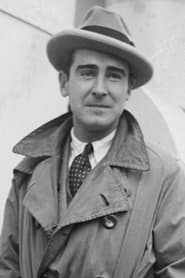
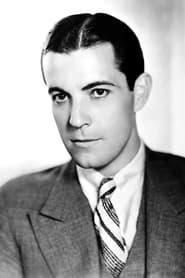
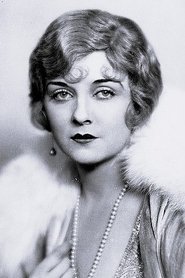
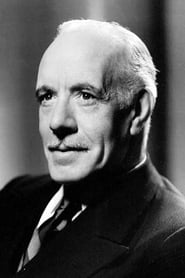
Cast & crew
More films like this

More History films
View all →


More from Rex Ingram
View all →
More about this film
About the production
Release dateSeptember 30, 1923
Budget$376,000 (a substantial budget for 1923)
Box officeHighly successful, grossing over $1 million domestically
ProductionMetro Pictures Corporation, Rex Ingram Productions
Filmed inMetro-Goldwyn-Mayer Studios, Culver City, California, Various locations throughout Southern California
The film featured elaborate sets designed to recreate 18th-century France, including detailed theater interiors and aristocratic ballrooms. Director Rex Ingram insisted on authenticity, hiring historical consultants and period costume experts. The sword fighting sequences were choreographed by fencing master Fred Cavens, who trained the actors extensively. The production took over six months to complete, unusually long for the era, due to Ingram's perfectionism and the complexity of the action sequences.
Themes
Class struggle and social revolutionRevenge and justiceIdentity and disguiseLove and loyaltyTheater as metaphor for life
Themes & topics
French RevolutionRevengeDisguiseSword fightingTheaterAristocracyRevolutionaryLove triangleClownDueling
Historical background
Exhibitors in 1923 booked Scaramouche through Metro Pictures Corporation as part of the era's steady flow of new releases.
Why this film matters
Archivists note that Scaramouche preserves period framing of a law student becomes an outlaw french revolutionary when he decides to avenge the unjust for modern comparison.
Making of
The production was marked by Rex Ingram's meticulous attention to detail and demanding directing style. He insisted on authentic period costumes and props, many of which were imported from Europe. The relationship between Ingram and his wife Alice Terry was well-known in Hollywood, and their professional collaboration was considered especially successful director-actor partnerships of the silent era. Ramon Novarro, who was still relatively new to leading roles, underwent extensive preparation for the part, including learning fencing and studying Commedia dell'arte techniques for his clown character. The film's elaborate sword fighting sequences were revolutionary for their time, featuring dynamic camera movements and editing techniques that enhanced the action. Ingram pioneered the use of multiple cameras for complex scenes, allowing for more dynamic editing in the final film.
What critics said
Trade coverage around 1923 treated Scaramouche as routine program material rather than a special event.
Did you know?
- Ramon Novarro performed his own stunts and sword fighting sequences after intensive training with fencing master Fred Cavens
- The film was based on Rafael Sabatini's 1921 novel of the same name, which was a bestseller at the time
- Director Rex Ingram and star Alice Terry were married in real life, making this their fourth collaboration
- The famous sword fight sequence was shot over three weeks and required over 3,000 feet of film
- The film's success helped establish Ramon Novarro as MGM's top male star after Rudolph Valentino's death
- The theater scenes were filmed in an actual theater that was specially constructed for the production
- The film was among the costliest productions of 1923, with costumes alone costing over $50,000
- Novarro's transformation from law student to clown required extensive makeup sessions lasting up to three hours
- The film's title comes from the Italian stock character Scaramouche, a roguish clown who traditionally wears a black mask
- The movie was so successful that it led to a sequel, 'The Beloved Rogue' (1927), also starring Novarro
Awards & recognition
- Photoplay Magazine Medal of Honor (1923) - Winner
Visual style
The cinematography, credited to John F. Seitz, was groundbreaking for its time, featuring innovative camera movements and lighting techniques that enhanced the film's dramatic impact. Seitz employed dramatic lighting contrasts to create mood and atmosphere, particularly in the theater and ballroom scenes. The sword fighting sequences utilized dynamic camera angles and movements that were unusual for the period, creating a sense of immediacy and excitement. The film's visual style combined realistic period detail with romanticized compositions, creating an idealized vision of 18th-century France. Seitz's work on the film demonstrated the artistic possibilities of cinematography beyond simple documentation, using the camera as an active storytelling tool.
Innovations
The film featured several technical innovations that were advanced for its time. The sword fighting sequences utilized pioneering editing techniques to create rhythmic action and tension. The production employed elaborate matte paintings and miniature effects to create convincing historical settings. The makeup effects for Novarro's transformation into Scaramouche were particularly sophisticated for the period. The film's use of multiple cameras for complex scenes allowed for more dynamic editing possibilities. The lighting techniques developed for the film influenced cinematography throughout the 1920s. The movie's preservation of visual quality across its lengthy runtime demonstrated advances in film stock and processing techniques.
Music
As a silent film, 'Scaramouche' was originally accompanied by a musical score compiled from classical pieces and original compositions. The suggested score included works by composers such as Beethoven, Mozart, and contemporary silent film composers. The music was carefully synchronized with the on-screen action, with different themes representing the various characters and emotional states. The theater scenes featured period-appropriate musical selections that enhanced the authenticity of the setting. Modern restorations of the film have been accompanied by newly composed scores by contemporary silent film musicians, maintaining the tradition of live musical accompaniment that was essential to the silent film experience.
Famous quotes
Intercards: 'He who laughs last laughs best!'
Intercards: 'The sword is the argument of kings!'
Intercards: 'In the theater of life, we all play our parts!'
Intercards: 'Revenge is a dish best served cold!'
Memorable scenes
- The extended sword fight sequence between Novarro and Lewis Stone, considered one of the greatest sword fights in silent cinema
- Novarro's transformation scene where he applies his clown makeup and adopts the Scaramouche persona
- The theater performance where Scaramouche first appears before the aristocratic audience
- The final duel on the cliffs overlooking the sea, combining spectacular scenery with intense action
- The ballroom scene where political tensions erupt into violence, showcasing the film's elaborate production design
What audiences thought
The film was enormously popular with audiences upon its release, becoming one of the biggest box office hits of 1923. Movie theaters reported record attendance, with many venues running the film for extended periods due to demand. Audiences particularly responded to Novarro's charismatic performance and the thrilling sword fighting sequences. The film's romantic elements and themes of justice and revenge resonated strongly with contemporary viewers. Its success led to increased demand for historical adventure films and helped cement Novarro's status as a major box office draw. The movie's popularity endured through multiple re-releases throughout the 1920s and was frequently shown in revival houses during the 1960s and 1970s when interest in silent films experienced a resurgence.
Film connections
Influenced by
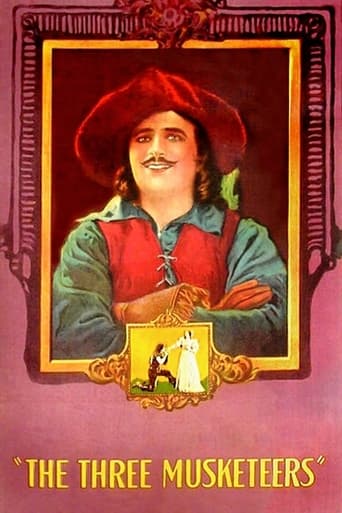
- The Three Musketeers (1921)
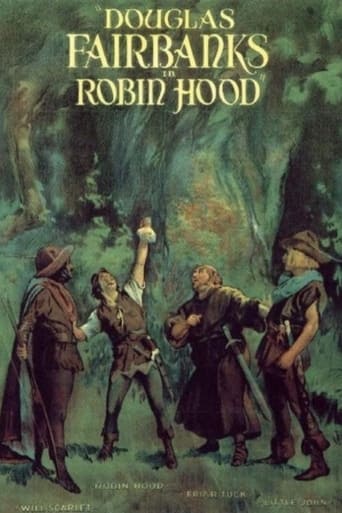
- Robin Hood (1922)
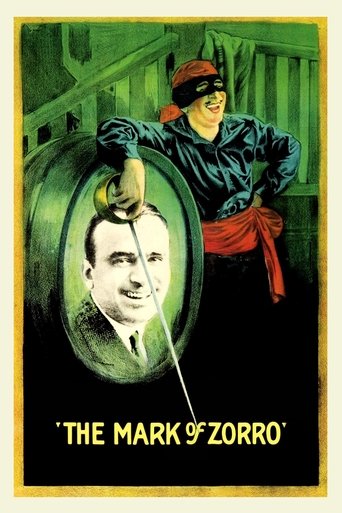
- The Mark of Zorro (1920)
- Works of Rafael Sabatini
- Commedia dell'arte traditions
- French historical literature
This film influenced
- The Prisoner of Zenda (1922)
- The Sea Hawk (1924)
- The Thief of Bagdad (1924)
- The 1952 sound remake of Scaramouche
- The Adventures of Robin Hood (1938)
- The Princess Bride (1987)
Film restoration
The film is preserved in the Library of Congress and has been restored by several archives including the Museum of Modern Art. While some deterioration is evident due to the film's age, it remains largely complete and viewable. A restored version was released on Blu-ray by Kino Lorber in 2019, featuring a new musical score. The preservation status is considered good for a film of its vintage, with multiple copies existing in various film archives worldwide.
Where to watch
- Available on Blu-ray from Kino Lorber
- Streaming on The Criterion Channel
- Available for digital purchase on Amazon Prime Video
- Occasionally screened at film festivals and revival theaters
- Available for viewing at film archives including the Library of Congress
- Some public domain versions available on YouTube