
Films
10 films

About Otto Matieson
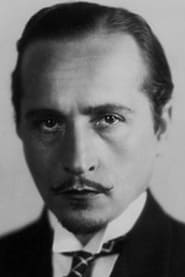
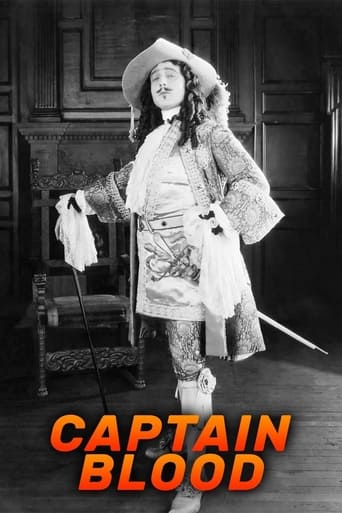
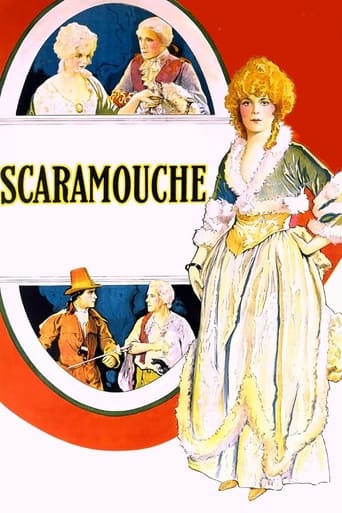
Silent-era character actor: screen work was concentrated in the 1920s, when he became a familiar face in historical dramas, adventure pictures, and prestige productions. He appears in the surviving record as a supporting player in films such as Scaramouche (1923), Captain Blood (1924), The Salvation Hunters (1925), Old San Francisco (1927), and The Beloved Rogue (1927), indicating a career rooted in the ambitious, visually elaborate filmmaking of the period. Matieson was not a star in the top-billed sense, but rather one of the many reliable performers who helped give silent cinema its texture, supplying authority, menace, or cosmopolitan nuance in ensemble casts. His work continued into the early sound era, with an active period generally given as 1923 to 1931, which suggests that he made the difficult transition from silents to talkies even if his filmography remained largely in supporting roles. Because detailed biographical records for him are sparse, much of his personal life is not well documented in standard reference sources, a common situation for working actors of the silent era whose careers were overshadowed by marquee names. What survives, however, shows an actor tied to major historical and literary productions that remain important to film history. He is best remembered today by classic-film scholars and databases as a dependable supporting presence in some of the most admired films of late silent Hollywood.
The Craft
On Screen
As a silent-era supporting actor, Matieson's screen style would have depended on visual clarity, expressive body language, and strong facial characterization rather than spoken dialogue. His casting in historical and adventure pictures suggests that he was valued for a screen presence capable of conveying authority, sophistication, or dramatic tension within ensemble storytelling. Like many character actors of the period, he likely specialized in concise, efficient characterization that supported the tone of the production without drawing focus away from the leads.
Milestones
- Appeared in Rex Ingram's Scaramouche (1923), one of the major prestige historical adventures of the silent era.
- Worked in Captain Blood (1924), contributing to the wave of swashbuckling and literary adaptations popular in the 1920s.
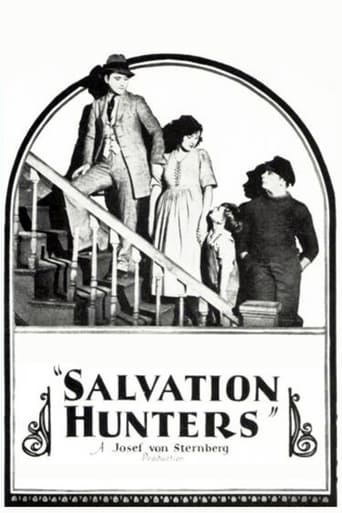
- Was part of the cast of Josef von Sternberg's The Salvation Hunters (1925), an important early independent art-film milestone.
- Appeared in Old San Francisco (1927), a large-scale historical drama associated with the lavish production values of late silent Hollywood.
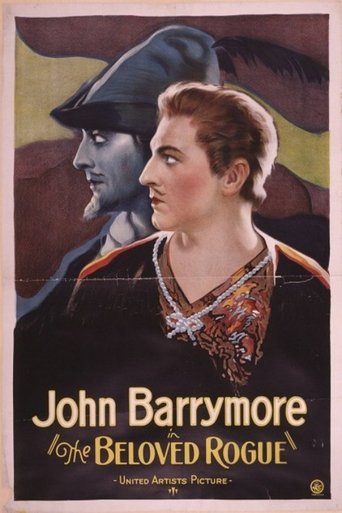
- Featured in The Beloved Rogue (1927), another high-profile period production from the late silent era.
- Maintained screen activity into the early sound period through the end of the 1920s and into 1931.
Best Known For
Iconic Roles
Must-See Films
Working Relationships
Worked Often With
Studios
Why They Matter
Impact on Culture
Otto Matieson's cultural impact lies less in celebrity than in the accumulated value of supporting performance within classic cinema. Actors like Matieson were essential to silent-era filmmaking because large historical and adventure epics depended on credible secondary characters to create social texture, class distinctions, and narrative momentum. His appearances in notable films of the 1920s place him within a generation of performers who helped define the look and rhythm of silent prestige pictures, especially those based on literary, historical, or romantic material. Even when uncredited or lightly documented, such actors contributed to the collective craft that gave silent cinema its depth and authenticity. For modern viewers and historians, Matieson represents the many skilled but lesser-known artists whose work made the great surviving classics feel populated and alive.
Lasting Legacy
Matieson's legacy is primarily archival and historical: he remains part of the credited cast records of important silent films that continue to be studied and screened. His career illustrates how many film artists of the silent period worked steadily without achieving star status, yet still participated in productions that shaped the medium's artistry and commercial identity. Because his personal history is not well preserved, his importance today comes from his place in the surviving filmography rather than from celebrity mythology. In classic-cinema scholarship, such careers are valuable because they reveal the breadth of talent required to sustain the studio-era and pre-studio-era screen industries. Matieson endures as one of the many dependable supporting actors whose names remain attached to landmark films of the 1920s.
Who They Inspired
Direct influence is difficult to document because no clear record survives of Matieson mentoring younger performers or shaping later acting practice in an identifiable way. His influence is therefore indirect, through the body of work that helped establish the standards of screen supporting performance in silent historical drama and adventure films. His career stands as an example of the expressive economy expected of character actors in silent cinema, a model that later supporting performers would continue to refine in the sound era. By participating in prominent productions, he contributed to the ensemble-based realism and period flavor that later filmmakers would continue to value.
Off Screen
No reliable, widely circulated biographical profile survives in standard classic-cinema reference material that clearly documents Otto Matieson's family life, marriages, or personal background. This lack of documentation is not unusual for working actors from the silent era, especially those whose careers were built almost entirely in supporting roles. As a result, his personal life remains largely private from the standpoint of film history, and any attempt to specify family relationships would be speculative without stronger archival evidence.
Education
No verifiable information on his education is readily available in standard film-reference sources.
Did You Know?
- He is associated with several major late-silent historical productions rather than with a single breakthrough starring role.
- His known active period extends into 1931, indicating that he worked across the silent-to-sound transition.
- He appears in The Salvation Hunters (1925), a film often discussed in relation to early independent and art-film traditions in American cinema.
- His surviving film record places him in the orbit of notable directors such as Rex Ingram and Josef von Sternberg.
- Like many silent-era supporting players, he is far better documented through film credits than through personal biographical records.
- His name appears in connection with swashbuckling and period productions, suggesting he was cast for roles requiring gravitas or distinctive screen presence.
- He is a good example of the many character actors whose contributions are essential to classic films but who remain obscure outside archival and scholarly reference works.
Frequently Asked Questions
Who was Otto Matieson?
Silent-era and early sound-era with credits in this catalog. He is remembered today primarily through his credits in classic films rather than through extensive biographical documentation.
What films is Otto Matieson best known for?
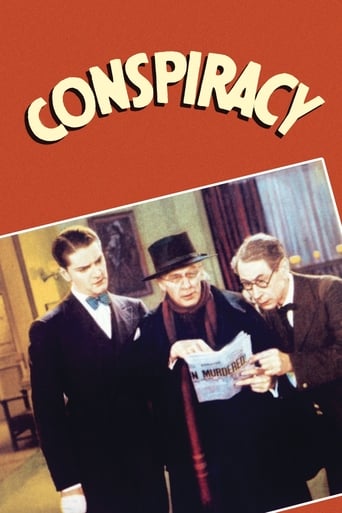
Titles linked here include Scaramouche (1923), Captain Blood (1924).
When was Otto Matieson born and when did he die?
Reliable public reference sources available to classic-film databases do not clearly document Otto Matieson's birth date, birth place, or death date. He is therefore one of the many silent-era performers whose life details remain sparse in the historical record.
What awards did Otto Matieson win?
No major awards or formal nominations are documented for Otto Matieson in the available record. His significance comes from his contributions to notable films rather than from award recognition.
What was Otto Matieson's acting style?
As a silent-era supporting actor, Matieson would have relied on expressive body language, clear facial acting, and economical characterization. His casting in historical dramas suggests he was effective at conveying authority and atmosphere within ensemble casts.
What is Otto Matieson's legacy in film history?
His legacy lies in the supporting work that helped make silent-era prestige films believable and dramatically rich. Although he was not a major star, he remains part of the historical fabric of classic Hollywood through his participation in important surviving films.