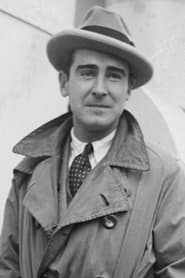
Rex Ingram
Director
Born: January 15, 1892 in Dublin, Ireland Died: July 21, 1950 Active: 1916-1932 Birth Name: Reginald Ingram Montgomery Hitchcock
Films
7 films
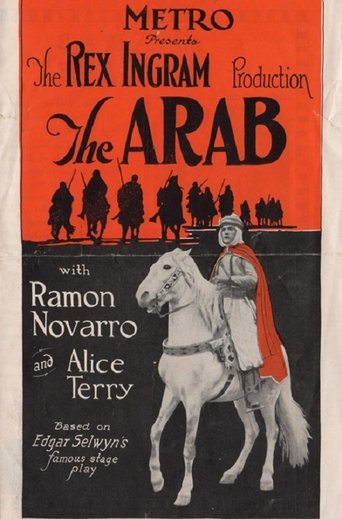
About Rex Ingram
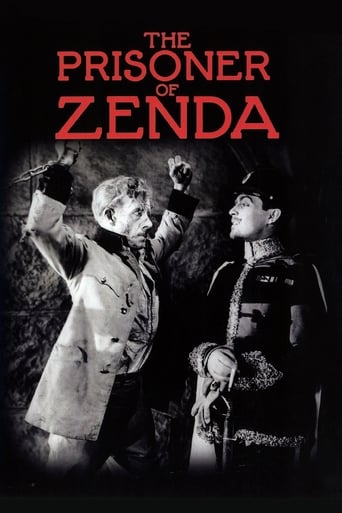
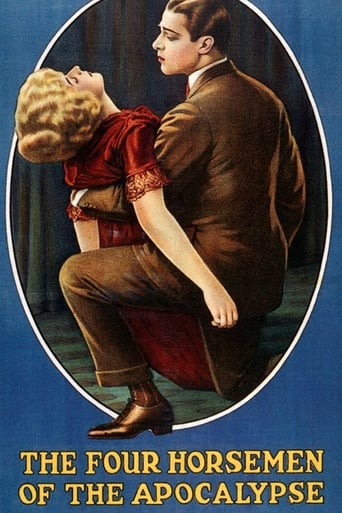
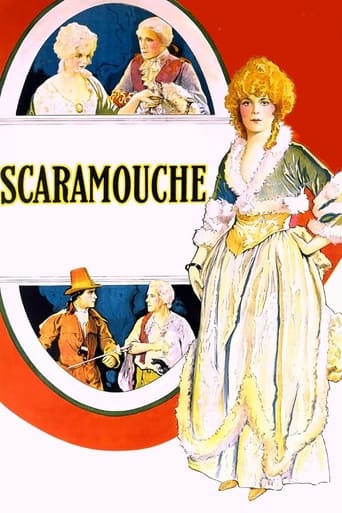
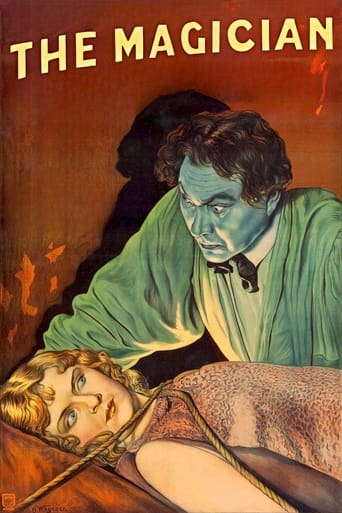
Irish-born film director, writer, and producer who became filmmakers of the silent era. Born Reginald Ingram Montgomery Hitchcock in Dublin, Ireland, he moved to the United States and began his film career as an actor and screenwriter before transitioning to directing in 1916. Ingram achieved international acclaim with 'The Four Horsemen of the Apocalypse' (1921), starring Rudolph Valentino, which became one of the highest-grossing films of the silent era and established Valentino as a major star. Throughout the 1920s, Ingram directed a series of visually sophisticated and commercially successful films, including 'The Prisoner of Zenda' (1922), 'Scaramouche' (1923), and 'The Magician' (1926), known for their elaborate sets, atmospheric lighting, and innovative camera techniques. In 1925, seeking greater artistic freedom, Ingram moved to France and established his own studio in Nice, where he continued making films with international appeal. His career declined with the advent of sound cinema, and he made only a few talkies before retiring from directing. Ingram spent his final years in North Africa, where he pursued spiritual and philosophical interests until his death in 1950.
The Craft
Behind the Camera
Rex Ingram was renowned for his meticulous visual composition, elaborate set designs, and atmospheric lighting techniques that elevated silent cinema to an art form. He employed innovative camera movements, including tracking shots and dramatic angles that were ahead of their time, creating a distinctive visual language that influenced generations of filmmakers. Ingram's direction combined grand spectacle with intimate character moments, using light and shadow to convey emotional depth and psychological complexity. His films were characterized by their romantic sensibility, sophisticated visual storytelling, and attention to period detail, particularly in literary adaptations. Ingram had a unique ability to balance artistic ambition with popular appeal, creating films that were both commercially successful and critically acclaimed for their technical innovation and artistic merit.
Milestones
- The Four Horsemen of the Apocalypse (1921) - International breakthrough and one of the highest-grossing silent films
- The Prisoner of Zenda (1922) - Critical and commercial success showcasing his visual mastery
- Scaramouche (1923) - Box office hit demonstrating his ability to handle epic storytelling
- The Magician (1926) - Innovative horror film with groundbreaking visual effects
- Establishment of Victorine Studios in Nice, France (1925) - Early example of independent international production
Best Known For
Must-See Films
Accolades
Special Recognition
- Recognized by film historians as
- International acclaim for visual innovation and artistic contribution to cinema
- Retrospective exhibitions of his work at major film archives worldwide
- Inclusion in the American Film Institute's list of influential directors
Working Relationships
Worked Often With
Studios
Why They Matter
Impact on Culture
Rex Ingram played a pivotal role in establishing cinema as a legitimate art form during the silent era, demonstrating that films could combine commercial appeal with artistic sophistication. His international success, particularly with 'The Four Horsemen of the Apocalypse,' helped establish the global nature of cinema and proved that films could transcend cultural and linguistic barriers. Ingram's visual innovations in lighting, composition, and camera movement influenced the development of cinematic language worldwide, particularly in European art cinema. His work with Rudolph Valentino helped create the modern film star system and demonstrated the power of celebrity in driving box office success. By establishing his own studio in France, Ingram pioneered the concept of independent international production, paving the way for future generations of filmmakers seeking creative freedom outside the Hollywood studio system.
Lasting Legacy
Rex Ingram is remembered by film historians as. His films, particularly 'The Four Horsemen of the Apocalypse' and 'Scaramouche,' are studied in film schools for their innovative techniques and lasting influence on cinematic language. Ingram represents the international dimension of early Hollywood cinema and the global nature of silent film production, demonstrating how artistic vision could transcend national boundaries. Despite his relative obscurity among modern audiences, his influence can be seen in the work of later directors who valued visual storytelling and artistic integrity. Ingram's career also serves as an example of the challenges faced by silent-era directors during the transition to sound cinema, highlighting how technological changes could end even the most celebrated careers.
Who They Inspired
Ingram's sophisticated visual techniques, particularly his mastery of light and shadow, influenced numerous directors including F.W. Murnau, Erich von Stroheim, and later filmmakers like Orson Welles and David Lean. His approach to epic storytelling and visual spectacle can be seen in the grand historical films of directors such as Cecil B. DeMille and the European art cinema of the 1960s. The atmospheric lighting and psychological depth of his horror film 'The Magician' influenced German Expressionist cinema and later horror directors. Ingram's success with international co-production models and independent filmmaking inspired later generations of directors seeking creative freedom outside major studio systems. His emphasis on visual storytelling over dialogue influenced the transition to sound cinema, demonstrating how cinematic techniques could enhance rather than be replaced by spoken words.
Off Screen
Rex Ingram married actress Alice Terry in 1921, who became his frequent collaborator and starred in nearly all his subsequent films. The couple had no children but maintained one of Hollywood's most enduring professional and personal partnerships until Ingram's death. After moving to France in 1925, they lived in Nice before eventually relocating to North Africa, where Ingram developed interests in Sufism, Eastern philosophy, and spiritualism. Ingram was known for his intellectual pursuits, fluency in multiple languages, and artistic talents beyond filmmaking, including sculpture and painting. His personal life was notably private compared to many Hollywood figures of his era, and he was respected for his dedication to his craft and avoidance of scandal.
Education
Attended Yale University but left before graduating to pursue a career in film; also studied art and architecture in his youth
Family
- Alice Terry (1921-1950)
Did You Know?
- Born Reginald Ingram Montgomery Hitchcock but shortened his name for film work to avoid confusion with another actor
- Was a talented sculptor and artist whose paintings were exhibited in Paris galleries
- Spoke multiple languages fluently, including French, German, Italian, and Arabic
- His film 'The Four Horsemen of the Apocalypse' was one of the first films to gross over $1 million worldwide
- Established his own studio in Nice, France, in 1925, making him one of the first Hollywood directors to pursue independent international production
- His wife Alice Terry starred in nearly all his films after their marriage in 1921
- Converted to Sufism and developed a deep interest in Eastern philosophy and spiritualism in his later years
- Was known for his extreme perfectionism, sometimes spending weeks perfecting a single shot or scene
- His films were particularly popular in Europe, where he was considered a major artistic figure on par with D.W. Griffith
- Discovered and mentored several actors who later became major stars, including Ramón Novarro
- His film sets were so elaborate and detailed that they were often preserved as tourist attractions after filming
- Was one of the few Hollywood directors of his era to successfully transition to European art cinema
In Their Own Words
The camera is the eye of the director, but the soul of the artist
In silence, the image speaks louder than words ever could
Every frame should be a painting, every scene a poem, every film a masterpiece
The greatest films are those that touch the universal human experience across all boundaries
Cinema is not merely entertainment; it is the art form of our time, capable of expressing the inexpressible
Light is the paint of the filmmaker, shadow is the canvas, and emotion is the subject
Frequently Asked Questions
Who was Rex Ingram?
Irish-born on YTB.my.' He was a pioneer in cinematic techniques and established his own production studio in France, representing early independent international filmmaking.
What films is Rex Ingram best known for?
Titles linked here include The Four Horsemen of the Apocalypse (1921), The Prisoner of Zenda (1922).
When was Rex Ingram born and when did he die?
Born January 15, 1892; died July 21, 1950.
What awards did Rex Ingram win?
While formal award systems like the Academy Awards were just being established during Ingram's peak years, he received significant international recognition and critical acclaim. Film historians now recognize him as.
What was Rex Ingram's directing style?
Ingram's directing style was characterized by meticulous visual composition, elaborate set designs, and atmospheric lighting. He employed innovative camera movements and techniques ahead of their time, creating films that balanced grand spectacle with intimate emotional moments. His work emphasized visual storytelling over dialogue, making him particularly suited to silent cinema.
Did Rex Ingram work with any famous actors?
Yes, Ingram worked with many notable actors of the silent era, most famously Rudolph Valentino in 'The Four Horsemen of the Apocalypse.' He also frequently directed his wife Alice Terry, Ramón Novarro, and discovered several actors who later became major stars.
Why did Rex Ingram move to France?
Ingram moved to France in 1925 seeking greater artistic freedom and creative control over his films. He established his own studio in Nice, making him one of the first Hollywood directors to pursue independent international production and work outside the major studio system.
What happened to Rex Ingram's career with the advent of sound?
Like many silent-era directors, Ingram's career declined with the transition to sound cinema in the late 1920s. He made only a few sound films before retiring from directing, as his visual style and artistic approach were less suited to the technical and narrative demands of early talkies.