The Magician
"Mesmerism on the operating table"
Keys: Space play/pause · ←/→ 10s · F fullscreen · M mute · </> speed
About this film
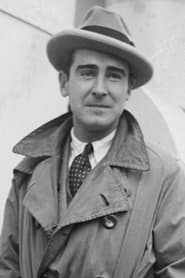
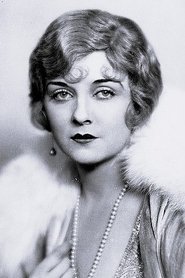
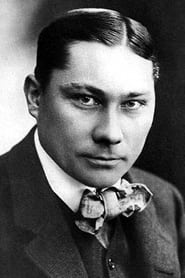
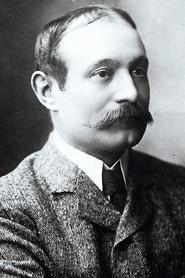
Margaret Dauncey falls under occultist Oliver Haddo's sway while surgeon Arthur Burdon loves her; Rex Ingram adapts Maugham's The Magician in Expressionist-tinged horror romance.
Cast & crew
More films like this
More Drama films
View all →







More from Rex Ingram
View all →
More about this film
About the production
Release dateOctober 17, 1926
Box officeModest commercial success, though exact figures are not documented from 1926 records
ProductionMetro-Goldwyn-Mayer, Rex Ingram Productions
Filmed inMGM Studios, Culver City, California, Nice, France (some location work)
The film was one of Rex Ingram's most ambitious projects, featuring elaborate special effects sequences and detailed occult symbolism. Ingram insisted on authentic magical props and consulted with experts on occult practices. The production faced challenges from Hollywood censors due to its dark themes and suggestive content, requiring several cuts before release.
Themes
Science vs. SuperstitionThe Power of ObsessionGood vs. EvilThe Dangers of Forbidden KnowledgeLove and Sacrifice
Themes & topics
magicianblack magicoccultlove trianglesurgeryhypnosisritualalchemistsupernaturalhorrorsilent film1920sgothicpsychological thriller
Historical background
The Magician (1926) belongs to post-Dracula occult cycle in late silent Hollywood.
Why this film matters
Haddo anticipates later cinematic charlatans; Ingram's visual style links to Four Horsemen grandeur.
Making of
Rex Ingram approached 'The Magician' with meticulous attention to detail, researching occult practices and alchemical texts to ensure authenticity in the film's magical elements. Paul Wegener's performance as Haddo was so intense that it reportedly unnerved other cast members during filming. Ingram utilized innovative camera techniques, including early forms of the dissolve and multiple exposure, to create the film's supernatural effects. The production faced significant challenges from the Hays Code office, which demanded cuts to several scenes deemed too disturbing for audiences. Alice Terry's costumes were designed to reflect her character's transformation from innocent victim to woman under magical influence. The film's score, composed for theatrical accompaniment, incorporated Wagnerian themes to enhance the dramatic and mystical elements of the story.
What critics said
Reviews found it lurid; horror historians value its Maugham source and Paul Wegener-like mood.
Did you know?
- The film is based on W. Somerset Maugham's 1908 novel 'The Magician', which was inspired by the real-life occultist Aleister Crowley
- Paul Wegener, who plays Oliver Haddo, was a German actor famous for his role in 'The Golem' (1920) and was specifically brought to Hollywood for this production
- Alice Terry, who plays Margaret, was married to director Rex Ingram, making this one of their many collaborations
- The film's special effects, particularly the magical sequences, were considered groundbreaking for 1926 and used multiple exposure techniques
- Some scenes were cut by censors for being too disturbing, including portions of the climactic ritual scene
- The character of Oliver Haddo was so convincing that many viewers believed Wegener was actually practicing black magic
- This was one of the first Hollywood films to explicitly deal with occult themes and black magic
- The production design included authentic-looking alchemical equipment and magical symbols researched from historical texts
- The film's release coincided with a period of renewed interest in spiritualism and the occult in 1920s America
- Rex Ingram considered this one of his personal favorite works, though it was not as commercially successful as his earlier films
Awards & recognition
- No major awards documented for 1926
Visual style
The cinematography by John F. Seitz employed groundbreaking techniques for creating supernatural effects, including innovative use of double exposure and dissolves to manifest magical phenomena. The film's visual style draws heavily from German Expressionism, featuring dramatic shadows, distorted perspectives, and stark lighting contrasts to create an atmosphere of dread and mystery. Seitz utilized unusual camera angles and movements to enhance the feeling of otherworldly power, particularly in scenes featuring Haddo's magical demonstrations. The color tinting of the film's prints was particularly sophisticated, with different hues used to distinguish between normal reality (sepia tones) and supernatural occurrences (blue and green tints).
Innovations
The Magician featured several technical innovations for its time, particularly in the realm of special effects. The film's magical sequences utilized sophisticated multiple exposure techniques that were cutting-edge for 1926, allowing for the visualization of supernatural phenomena that would influence later horror films. The production design included elaborate mechanical effects for the alchemical laboratory sequences, with working props that created convincing magical transformations. The film's makeup effects for Haddo's character were particularly advanced, using prosthetics and lighting to create an otherworldly appearance. The climactic ritual scene featured complex staging and effects that required precise timing and coordination between actors, camera, and effects technicians.
Music
As a silent film, The Magician was originally accompanied by a musical score compiled for theater orchestras, combining classical pieces with original compositions. The suggested score included works by Wagner, particularly themes from 'Tristan und Isolde' and 'Parsifal,' to enhance the film's mystical and romantic elements. Modern restorations have been scored with newly composed music that attempts to capture the film's blend of horror and romance, with some versions using experimental electronic elements to emphasize the supernatural themes. The original cue sheets for theater musicians emphasized dramatic, dissonant passages for the magical sequences and romantic themes for the scenes between Margaret and Arthur.
Famous quotes
Oliver Haddo: 'I have dabbled in the black arts, and I have found them more real than the science of men.'
Arthur Burdon: 'There are things in this world that cannot be explained by science alone.'
Margaret Dauncey: 'His eyes seem to look into my very soul and I cannot turn away.'
Oliver Haddo: 'Power is the ultimate aphrodisiac, and I possess powers you cannot imagine.'
Memorable scenes
- The opening surgical sequence where Arthur Burdon performs the delicate spine operation on Margaret, showcasing the triumph of science over affliction
- Oliver Haddo's first magical demonstration where he seemingly conjures supernatural forces, establishing his power and menace
- The hypnotic scene where Haddo entrances Margaret, using innovative camera effects to visualize her loss of control
- The climactic ritual sequence where Haddo attempts his dark magical ceremony, featuring elaborate special effects and dramatic tension
- The final confrontation between science and magic as Arthur races to rescue Margaret from the magical laboratory
What audiences thought
Initial audience response was mixed, with many viewers finding the film's dark themes and occult imagery unsettling for 1926 sensibilities. Some theatergoers reportedly left screenings early due to the intensity of certain scenes, particularly the ritual sequences. However, the film developed a cult following among horror enthusiasts and those interested in occult subjects. Over time, appreciation for the film has grown among silent film aficionados and cinema historians, who now regard it as an underrated classic of the genre. Modern audiences who discover the film often praise its atmospheric qualities and Wegener's performance, though some find the pacing slow by contemporary standards.
Film connections
Influenced by
- The Golem (1920)
- Nosferatu (1922)
- The Cabinet of Dr. Caligari (1920)
- Haxan (1922)
- Works of W. Somerset Maugham
- German Expressionist cinema
This film influenced
- The Devil-Doll (1936)
- Black Magic (1949)
- The Raven (1935)
- Mark of the Vampire (1935)
- Later Universal horror films
Film restoration
The Magician survives in an incomplete form, with approximately 60-70 minutes of footage preserved. The film exists in various archives including the Library of Congress and the Museum of Modern Art. Several restoration attempts have been made, but some sequences remain lost, particularly portions of the climactic ritual scene that were heavily censored. The surviving footage shows varying degrees of deterioration, though recent digital restoration efforts have improved its visual quality. The film is considered partially lost but viewable, with intertitles and missing scenes reconstructed from production stills and contemporary descriptions.
Where to watch
- Available on DVD from specialty silent film distributors
- Streaming on The Criterion Channel (occasionally)
- Available for viewing at film archives and museums
- Some public domain versions available on YouTube (quality varies)
- Screened at silent film festivals and revival theaters