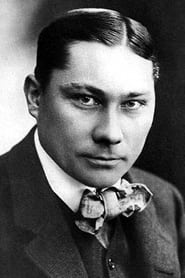
Paul Wegener
Actor & Director
Born: December 11, 1874 in Arnoldsburg, West Prussia (now Poland) Died: September 13, 1948 Active: 1913-1948
Films
8 films

About Paul Wegener
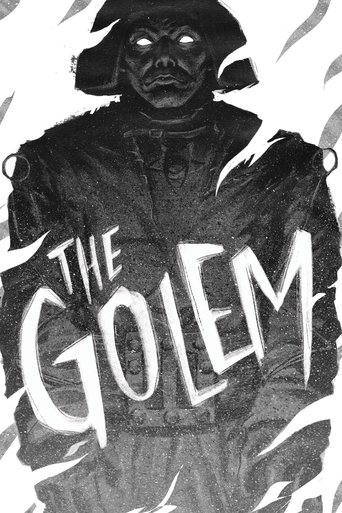
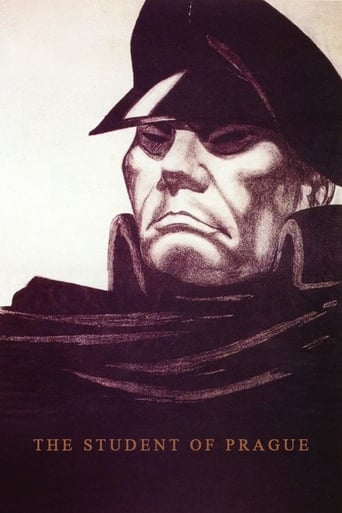
German actor, director, and screenwriter who became figures in early German cinema, particularly during the Expressionist movement. Born in West Prussia in 1874, Wegener began his career as a stage actor before transitioning to film, where he quickly established himself as a creative force. He gained international recognition for his fascination with Jewish folklore, which led him to create three films about the Golem legend between 1915 and 1920, with his 1920 version 'The Golem: How He Came Into the World' being considered a masterpiece of German Expressionism. Wegener's 1913 film 'The Student of Prague' is the first German art films and an early example of psychological horror cinema. Throughout his career, he appeared in over 80 films, working with prominent directors including Ernst Lubitsch and F.W. Murnau. Wegener continued his film career through the transition to sound, though his most significant contributions were made during the silent era. He remained active in German cinema until his death in 1948, leaving behind a legacy that influenced generations of filmmakers in the horror and fantasy genres.
The Craft
On Screen
Wegener was known for his intense, physical performances characterized by exaggerated gestures and dramatic facial expressions typical of German Expressionism. Standing at 6'3" with a commanding presence, he excelled at portraying larger-than-life characters, particularly supernatural or psychologically complex figures. His stage background contributed to his theatrical approach, which translated powerfully to the silent screen where physicality was paramount. Wegener had a particular talent for embodying monstrous or tormented characters, bringing both menace and pathos to roles like the Golem.
Behind the Camera
As a director, Wegener — pioneer of German Expressionist cinema, utilizing stark lighting contrasts, distorted sets, and dramatic visual storytelling to create atmospheric and psychologically charged films. He was innovative in his use of special effects, particularly double exposure techniques to create supernatural elements. Wegener's visual approach emphasized mood and psychological states over realism, creating dreamlike or nightmarish environments that reflected his characters' inner turmoil. His films often explored themes of duality, creation, and the supernatural, with a distinctive visual aesthetic that would influence the horror genre for decades.
Milestones
- Directed and starred in The Golem (1915), German horror cinema
- Starred in The Student of Prague (1913), one of the first German art films
- Created The Golem: How He Came Into the World (1920), a masterpiece of German Expressionism
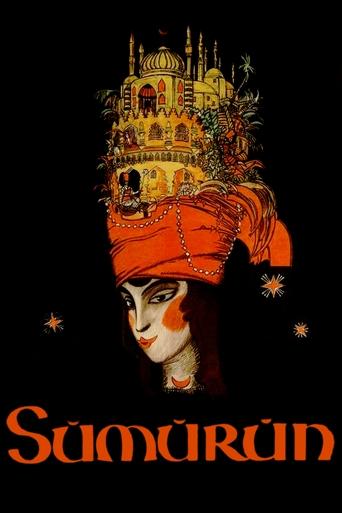
- Collaborated with Ernst Lubitsch on Sumurun (1920)
- Appeared in over 80 films during his 35-year career
- Pioneered special effects techniques including double exposure
- Transitioned successfully from silent films to early sound cinema
Best Known For
Iconic Roles
Must-See Films
Accolades
Special Recognition
- Pioneer of German Expressionist Cinema
- Influential figure in early horror cinema
Working Relationships
Worked Often With
Studios
Why They Matter
Impact on Culture
Paul Wegener's impact on cinema extends far beyond his filmography, as he helped establish the visual language of German Expressionism that would influence film noir, horror, and psychological thriller genres for decades. His Golem films pioneered the monster movie genre, with the creature's design and narrative directly influencing later Universal horror classics like Frankenstein. 'The Student of Prague' introduced themes of duality and psychological horror that would become staples of the genre. Wegener's innovative use of special effects, particularly double exposure techniques, pushed the boundaries of what was possible in early cinema. His visual aesthetic—characterized by dramatic shadows, distorted sets, and exaggerated performances—created a template for atmospheric filmmaking that directors from Alfred Hitchcock to Tim Burton have drawn upon. The Golem character itself has become a enduring figure in popular culture, referenced in countless films, books, and other media as a precursor to modern monster and science fiction tropes.
Lasting Legacy
Paul Wegener's legacy in film history is that of a visionary pioneer who helped shape the language of cinematic horror and fantasy. His Golem trilogy, particularly the 1920 version, remains a cornerstone of German Expressionist cinema and continues to be studied by film scholars for its groundbreaking visual techniques and thematic depth. Wegener's work bridged the gap between theatrical traditions and cinematic innovation, bringing a sophisticated understanding of performance and visual storytelling to the new medium of film. His influence can be traced through the horror films of Universal Studios in the 1930s, the film noir movement of the 1940s and 1950s, and even contemporary fantasy cinema. Beyond his technical innovations, Wegener established the concept of the film artist as a creative visionary who could shape not just performances but entire visual worlds. His films continue to be preserved and screened at film archives and festivals worldwide, introducing new generations to the power and artistry of silent cinema.
Who They Inspired
Wegener directly influenced the next generation of German directors including F.W. Murnau, Fritz Lang, and G.W. Pabst, who expanded on Expressionist techniques in their own work. His Golem films particularly influenced James Whale's direction of Frankenstein (1931), with both the creature's design and themes of creation gone awry showing clear inspiration from Wegener's work. The visual style Wegener helped develop in German Expressionism would later be adopted by Hollywood directors in film noir, with its dramatic shadows and psychological tension. Contemporary directors like Tim Burton, Guillermo del Toro, and Terry Gilliam have cited German Expressionism and Wegener's work as influences on their own distinctive visual styles. Beyond specific directors, Wegener's approach to genre filmmaking—using fantasy and horror to explore psychological and social themes—has become a standard practice in cinema, influencing countless films across multiple genres.
Off Screen
Paul Wegener was married multiple times throughout his life, most notably to Czech actress Lyda Salmonova, who frequently co-starred with him in films including the Golem trilogy. The couple married in 1912 and collaborated on several projects before divorcing. Wegener had children from his marriages, though specific details about his family life are limited. During World War I, he served in the German army but continued making films during his service. In his later years, Wegener continued working in German cinema during the Nazi regime, though his output was reduced compared to his silent film peak.
Education
Trained as a stage actor, studying drama and theater in Berlin before transitioning to film
Family
- Lyda Salmonova (1912-1925)
- Lydia Baintow (1932-1948)
Did You Know?
- Wegener was so fascinated with the Golem legend that he made three different films about it between 1915 and 1920
- He played the Golem himself in all three films, wearing up to 40 pounds of makeup and prosthetics
- The Student of Prague featured one of cinema's earliest uses of double exposure to show the character's doppelgänger
- Wegener was 6'3" tall, making him an imposing figure perfect for roles like the Golem
- During WWI, he made propaganda films for the German army while continuing his commercial film career
- His 1920 Golem film was
- Wegener was one of the first film stars to develop a consistent persona based on specific types of roles
- He made his stage debut in 1895, nearly 20 years before his film debut
- The Golem character makeup took hours to apply and was so restrictive that Wegener could only wear it for short periods
- Despite his success in Germany, Wegener never worked in Hollywood, unlike many of his contemporaries
In Their Own Words
The film must become a work of art, not merely a recording of reality
In the Golem, I found the perfect expression of the artist's struggle with creation
Silent cinema demands the actor's entire body to speak
The supernatural is merely the natural seen through the eyes of wonder
Frequently Asked Questions
Who was Paul Wegener?
German actor and on YTB.my.
What films is Paul Wegener best known for?
Titles linked here include The Golem: How He Came Into the World (1920), The Student of Prague (1913).
When was Paul Wegener born and when did he die?
Born December 11, 1874; died September 13, 1948.
What awards did Paul Wegener win?
During Wegener's active period, formal film awards were not yet established in their modern form, so he did not receive contemporary awards, though he is now recognized as a figure in cinema history.
What was Paul Wegener's acting and directing style?
Wegener was known for his intense, physical acting style and his work in German Expressionist cinema, using dramatic lighting, distorted sets, and innovative special effects to create atmospheric, psychologically charged films.
How did Paul Wegener influence cinema?
Wegener helped establish German Expressionism and influenced the horror genre, particularly through his Golem films which inspired later monster movies like Frankenstein and shaped visual techniques used in film noir and psychological thrillers.
Did Paul Wegener work in sound films?
Yes, Wegener transitioned to sound films in the late 1920s and continued acting through the 1930s and 1940s, though he is primarily remembered for his silent film work.