
The Golem: How He Came Into the World
"16th-century Prague, a rabbi creates the Golem - a giant"
Keys: Space play/pause · ←/→ 10s · F fullscreen · M mute · </> speed
About this film
In 16th-century Prague, a rabbi creates the Golem - a giant creature made of clay. Using sorcery, he brings the creature to life in order to protect the Jews of Prague from persecution.
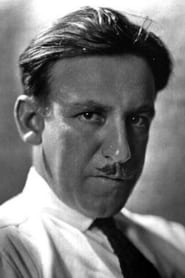
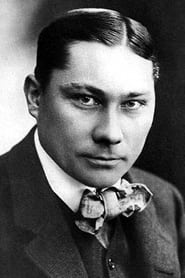
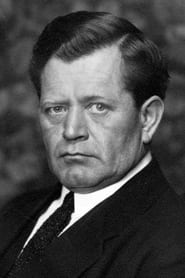
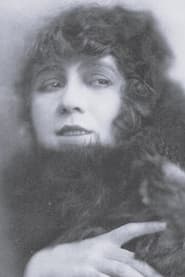
Cast & crew
More films like this
More Fantasy films
View all →

More about this film
About the production
Release dateOctober 29, 1920 (Berlin premiere)
Budget200,000-250,000 Reichsmarks (substantial budget for a German film of this era)
Box officeCommercially successful, though exact figures are not well documented in historical records
ProductionProjektions-AG Union (PAGU), Universum Film AG (UFA)
Filmed inBerlin studios at Tempelhof, Studio sets designed by Hans Poelzig
The picture featured massive, elaborate Expressionist sets that were architectural marvels of their time. The Golem costume consisted of multiple layers including clay, plaster, and rubber, weighing approximately 75-100 pounds. Paul Wegener, who also co-directed, spent up to 4-5 hours in makeup and costume each day. The special effects were achieved through innovative techniques including multiple exposures, stop-motion photography, and forced perspective. The picture was part of a trilogy of Golem films by Wegener, though this was the only one to survive completely intact.
Themes
Creation and the dangers of playing GodPersecution and survival of marginalized communitiesThe uncontrollable nature of artificial lifePrejudice and religious intoleranceThe power of faith and mysticism
Themes & topics
GolemClay monsterJewish ghettoRabbiMagicPersecutionArtificial life16th centuryPragueExpressionismSilent filmHorrorFantasyFolkloreSupernaturalRampageCreationProphecyAnti-Semitism
Historical background
Projektions-AG Union (PAGU)'s 1920 release of The Golem: How He Came Into the World fit contemporary Germany programs that mixed fiction, news, and novelty subjects for repeat weekly attendance.
Why this film matters
Programmers and historians revisit The Golem: How He Came Into the World (1920) because its story—in 16th-century prague, a rabbi creates the golem - a giant creature made of clay—illustrates popular narrative habits and production norms of the period.
Making of
The production of 'The Golem' was a monumental undertaking that pushed the boundaries of early cinema. Director Carl Boese worked alongside Paul Wegener, who was the true creative force behind the project. the picture's sets, designed by renowned architect Hans Poelzig, were massive Expressionist constructions that created the picture's distinctive atmosphere of dread and oppression. The Golem costume was an engineering marvel of its time, requiring Wegener to endure extreme physical discomfort during filming. The production utilized innovative special effects techniques, including multiple exposures and carefully choreographed camera movements, to create the illusion of a giant clay creature coming to life. The filming process was grueling, with Wegener having to perform in heavy makeup and costume for extended periods. the picture's themes of persecution and survival were particularly poignant given the political climate in post-WWI Germany, where antisemitism was on the rise. The production team faced numerous challenges in creating the supernatural elements of the story, relying on practical effects and clever editing rather than the CGI that would later become standard for such films.
What critics said
English-language trade reviews of The Golem: How He Came Into the World are limited for 1920. Where notices survive, they stress pacing and photographic clarity; later criticism values the title as archival evidence of studio style.
Did you know?
- This was actually the third film Paul Wegener made about the Golem, following 'The Golem' (1915) and 'The Golem and the Dancer' (1917), but it's the only one that has survived completely intact
- The Hebrew word 'Aemaeth' (אמת) used in the picture means 'truth' or 'reality' and is actually composed of the first, middle, and last letters of the Hebrew alphabet, symbolizing completeness
- The massive sets were so elaborate that they influenced the design of later horror films, including Universal's classic monster movies
- Paul Wegener not only starred as the Golem but also co-directed the picture and was the driving creative force behind the entire Golem trilogy
- the picture's release coincided with a period of rising antisemitism in Germany, making its themes particularly resonant and controversial
- The Golem's distinctive makeup design, with its robotic movements and blank expression, influenced the creation of later movie monsters including Frankenstein's creature
- the picture was one of the first to explore the theme of artificial life turning against its creator, predating Frankenstein (1931) by over a decade
- The original negative was considered lost for decades until a complete print was discovered in the 1950s
- the picture's Expressionist style, with its distorted sets and dramatic shadows, was influenced by the trauma of World War I and the social upheaval in Weimar Germany
- The character of the Golem was based on a 16th-century Jewish legend about Rabbi Judah Loew ben Bezalel, who supposedly created a Golem to protect the Prague ghetto
Awards & recognition
- No major awards were given to silent films during this period, as the award systems had not yet been established
Visual style
The cinematography of The Golem, credited to Guido Seeber, was revolutionary for its time and instrumental in establishing the picture's Expressionist atmosphere. Seeber employed innovative camera techniques including dramatic low angles to emphasize the Golem's imposing stature, and sweeping movements through the distorted sets to create a sense of disorientation and unease. The lighting design was particularly noteworthy, using stark contrasts between light and shadow to create dramatic tension and highlight the picture's themes of good versus evil. The cinematography made extensive use of chiaroscuro effects, with deep shadows that seemed to have a life of their own. The camera work during the Golem's creation and rampage sequences was especially innovative, using multiple exposures and carefully choreographed movements to create the illusion of supernatural events. the picture's visual style, with its emphasis on psychological effect over realistic representation, would influence countless later horror films and establish many of the visual conventions of the genre.
Innovations
The Golem was technically groundbreaking for its time, featuring numerous innovations that would influence cinema for decades. the picture's special effects, achieved without modern CGI, were remarkable achievements of practical filmmaking. The creation sequences used multiple exposures and carefully timed photography to create the illusion of magical transformation. The Golem costume itself was a technical marvel, combining clay, plaster, and rubber to create a convincing artificial being that could move and emote. the picture's massive Expressionist sets, designed by Hans Poelzig, were architectural achievements that created the picture's distinctive atmosphere of oppression and dread. The production pioneered techniques in forced perspective and set design that would later be used in countless fantasy and horror films. the picture also made innovative use of editing to create suspense and dramatic tension, particularly in the sequences showing the Golem's rampage through Prague. These technical achievements were particularly impressive given the limitations of filmmaking technology in 1920, and they demonstrated the creative possibilities of cinema as an art form.
Music
As a silent film, The Golem was originally presented with live musical accompaniment that varied by theater and location. The typical score would have been performed by a theater orchestra or organist and would have included classical pieces adapted to fit the picture's mood. Modern restorations have been accompanied by newly composed scores by contemporary composers who have created music that reflects the picture's Expressionist style while using modern musical techniques. Notable modern scores include those by composers like Stephen Horne and the Alloy Orchestra, who have created original compositions specifically for the picture's restoration. These modern scores often incorporate elements of traditional Jewish music to reflect the picture's cultural context, as well as dissonant and atmospheric passages that complement the picture's visual style. The absence of synchronized dialogue in the original film meant that the musical accompaniment played an even more crucial role in conveying emotion and driving the narrative forward.
Famous quotes
The Golem lives! The clay has taken form and breath!
Aemaeth! Truth! By this word, I command you to live!
We have created a protector, but have we created our doom?
The ghetto is safe, but at what cost to our souls?
Even clay can feel, even stone can weep when given life by man's hubris
Memorable scenes
- The creation sequence where Rabbi Löw inscribes the magical word 'Aemaeth' on the Golem's forehead and it slowly comes to life, with smoke and mystical effects surrounding the clay figure
- The Golem's rampage through the streets of Prague, throwing people aside and breaking through walls with its immense strength
- The climactic scene where a young child innocently removes the amulet from the Golem's chest, causing it to crumble into dust
- The elaborate procession scene through the Jewish ghetto, showcasing the picture's massive Expressionist sets
- The Emperor's court scene where the decree is read, establishing the picture's central conflict and themes of persecution
What audiences thought
The Golem was a commercial success upon its release in 1920, attracting large audiences in Germany and throughout Europe. Contemporary viewers were particularly impressed by the picture's spectacular visual effects and the imposing presence of the Golem character. the picture's themes of persecution and survival resonated with audiences who were living through the difficult post-war period. Many viewers reported being genuinely frightened by the Golem's rampages, proof of the effectiveness of the picture's practical effects and Wegener's performance. the picture developed a cult following in the years following its release, with horror enthusiasts and film buffs seeking out screenings whenever possible. In the decades since, The Golem has maintained its reputation as a classic of early horror cinema, with modern audiences continuing to be impressed by its visual artistry and thematic depth. the picture's restoration and availability on home video and streaming platforms have introduced it to new generations of viewers, who continue to appreciate its groundbreaking approach to horror and its enduring relevance.
Film connections
Influenced by
- The Golem legend from Jewish folklore
- German Expressionist art movement
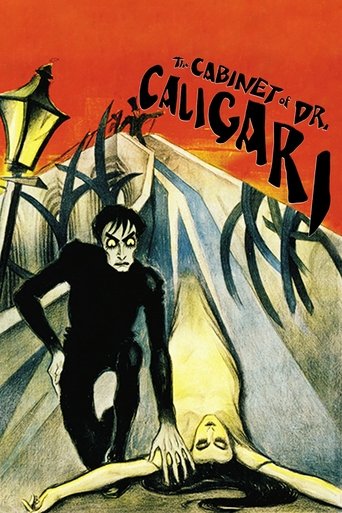
- The Cabinet of Dr. Caligari (1920)
- Post-WWI German cinema
- Gothic literature
- Mary Shelley's Frankenstein
- Jewish mysticism and Kabbalah
- Medieval European architecture
- Theater set design traditions
This film influenced
- Frankenstein (1931)
- The Mummy (1932)
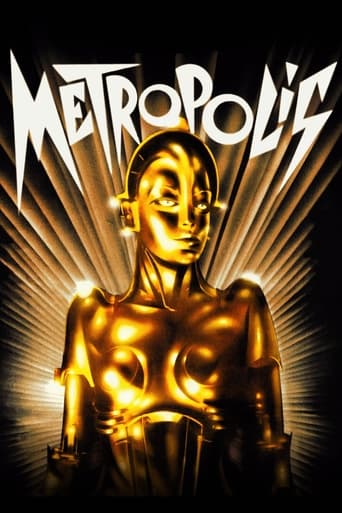
- Metropolis (1927)
- King Kong (1933)
- Bride of Frankenstein (1935)
- The Hunchback of Notre Dame (1923)
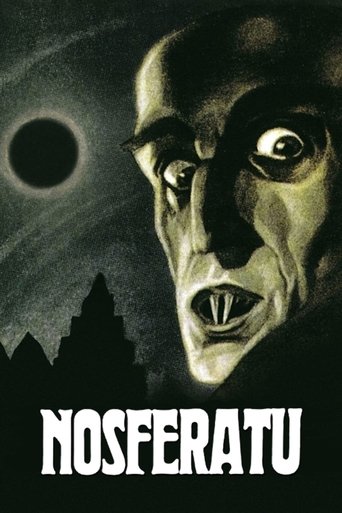
- Nosferatu (1922)
- The Phantom of the Opera (1925)
- Frankenstein's Daughter (1958)
- The Creation of the Humanoids (1962)
- Blade Runner (1982)
- Edward Scissorhands (1990)
Film restoration
The Golem is well-preserved with multiple complete prints existing in film archives around the world. the picture was restored by the Friedrich-Wilhelm-Murnau-Stiftung in the early 2000s, with further digital restoration work completed in recent years. The restored versions feature improved image quality and reconstructed title cards based on original sources. the picture is considered one of the better-preserved examples of German Expressionist cinema from the silent era, thanks to its cultural importance and the efforts of film preservationists. Both 35mm and digital versions are available for archival and exhibition purposes.
Where to watch
- The Criterion Channel
- MUBI streaming service
- Kino Lorber Blu-ray/DVD releases
- YouTube (official uploads from archives)
- Film archives including the Museum of Modern Art and the British Film Institute
- Turner Classic Movies (TCM) broadcasts
- The Internet Archive
- Specialty streaming services focusing on classic cinema