Lothar Müthel
Actor
Born: February 18, 1896 in Berlin, Germany Died: February 4, 1964 Active: 1919-1964 Birth Name: Carl Hermann Lothar Müthel
Films
1 film
About Lothar Müthel
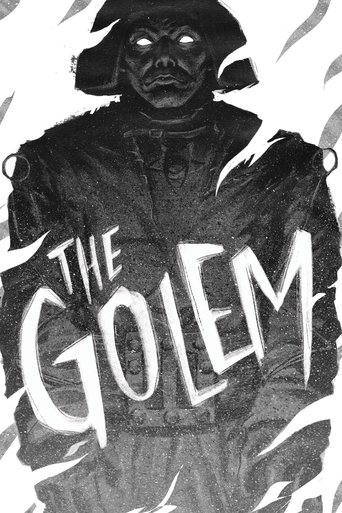
Lothar Müthel, born Carl Hermann Lothar Müthel, was a prominent German actor and theater director who made his mark during the golden age of German expressionist cinema. He began his career on the stage before transitioning to film, appearing in the landmark 1920 expressionist horror film 'The Golem: How He Came Into the World' as Florian, the assistant. Müthel's film career was relatively brief compared to his extensive theatrical work, where he achieved greater recognition and influence. He became particularly associated with Vienna's prestigious Burgtheater, eventually serving as its director during a tumultuous period in European history. His the Weimar Republic, Nazi Germany, and post-war Austria, making him a significant figure in German-language theater. Müthel was known for his commanding stage presence and classical acting technique, which he brought to his film performances. His later career was marked by controversy due to his leadership positions during the Nazi era, though he continued working in theater after World War II until his death in 1964.
The Craft
On Screen
Classical and formal acting technique with strong stage presence, typical of German theater tradition of the early 20th century. His style emphasized dramatic gestures and expressive delivery, which translated well to the silent film medium.
Milestones
- Appeared in the landmark expressionist film 'The Golem: How He Came Into the World' (1920)
- Became director of Vienna's Burgtheater in 1939
- Served as Intendant (director) of the Vienna Burgtheater until 1945
- Directed numerous classical theater productions in Germany and Austria
- Continued theater career in post-war Germany despite controversial wartime positions
Best Known For
Iconic Roles
Must-See Films
Accolades
Special Recognition
- Position as Director of the Burgtheater Vienna (1939-1945)
Working Relationships
Worked Often With
Studios
Why They Matter
Impact on Culture
Lothar Müthel's most significant cultural impact comes from his participation in the German expressionist film movement through 'The Golem,' one of the foundational works of horror cinema and German expressionism. His role, though supporting, contributed to this landmark film that influenced countless future directors and the horror genre internationally. As a theater director, particularly at the Burgtheater, he played a role in maintaining German-language theatrical traditions during a politically charged period. His career reflects the complex relationship between art and politics in mid-20th century Central Europe.
Lasting Legacy
Müthel's legacy is twofold: as a minor but notable figure in German expressionist cinema and as a controversial theater director who navigated the Nazi period. His appearance in 'The Golem' ensures his place in film history, while his theater career represents the broader story of artists who worked through Germany's darkest period. His legacy is complicated by his willingness to work within the Nazi cultural apparatus, raising questions about artistic compromise and survival.
Who They Inspired
As an actor, Müthel's influence was primarily through his contribution to the expressionist style that would later influence film noir and horror cinema. His greater influence came through his theater work, where he mentored numerous actors and maintained classical theatrical traditions. However, his career also serves as a cautionary example of artistic collaboration with authoritarian regimes.
Off Screen
Lothar Müthel was married to the renowned actress Elisabeth Bergner,. Their marriage ended in divorce, with Bergner leaving Germany due to the rise of the Nazis and her Jewish heritage. Müthel's personal life became complicated during the Nazi period due to his professional choices and his former marriage to Bergner. He had one child with Bergner. His later years were spent primarily in theater work in post-war Germany and Austria.
Education
Trained in classical theater and acting in Berlin during the 1910s, though specific educational institutions are not well documented in available sources
Family
- Elisabeth Bergner (1920s-1930s)
Did You Know?
- His real name was Carl Hermann Lothar Müthel, but he used Lothar Müthel professionally
- He was married to Elisabeth Bergner,
- His ex-wife Bergner was Jewish and fled Germany after the Nazis came to power
- Despite his brief film career, he appeared in
- He led the Burgtheater during the entire Nazi period from 1939 to 1945
- The Golem was one of the earliest feature-length horror films and influenced the monster movie genre
- Müthel was part of the generation of German artists who worked through the Weimar Republic, Nazi era, and post-war period
- His theatrical career far outlasted and overshadowed his brief film work
- He continued working in theater after World War II despite his controversial wartime positions
Frequently Asked Questions
Who was Lothar Müthel?
German actor and theater on YTB.my.' He had a more extensive career in theater, eventually becoming director of Vienna's prestigious Burgtheater during the Nazi period.
What films is Lothar Müthel best known for?
Titles linked here include The Golem: How He Came Into the World (1920).
When was Lothar Müthel born and when did he die?
Born February 18, 1896; died February 4, 1964.
What was Lothar Müthel's relationship to Elisabeth Bergner?
Lothar Müthel was married to the celebrated actress Elisabeth Bergner during the 1920s and 1930s. Bergner, who was Jewish, left Germany after the Nazis came to power, while Müthel remained and continued his career in theater.
What was controversial about Lothar Müthel's career?
The controversy surrounding Müthel stems from his role as director of the Vienna Burgtheater from 1939-1945 during the Nazi period. His willingness to work within the Nazi cultural system, while his former Jewish wife had to flee Germany, has been viewed critically by historians.
What was Lothar Müthel's acting style?
Müthel employed a classical, formal acting technique typical of German theater tradition, characterized by dramatic gestures and expressive delivery that translated well to the silent film medium and expressionist cinema.