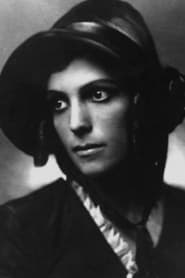
Greta Schröder
Actor
Born: June 27, 1892 in Hamburg, Germany Died: June 8, 1967 Active: 1913-1930 Birth Name: Margarethe Schröder
Films
2 films
About Greta Schröder
Prominent German actress of the silent era, best remembered for her haunting performance as Ellen Hutter in F.W. Murnau's masterpiece 'Nosferatu' (1922). Born in Hamburg, she began her career on the German stage before transitioning to film during the height of German Expressionism. Her most significant period was the early 1920s when she worked with directors like Paul Wegener and F.W. Murnau. Schröder's ethereal beauty and intense screen presence made her particularly suited for the supernatural and psychological dramas that characterized German cinema of this period. Beyond her two most famous films, she appeared in numerous other German productions throughout the 1920s, though many of these films are now lost. As the talkie era emerged, her career in film diminished, though she continued working in theater. Her legacy endures primarily through her unforgettable performance in 'Nosferatu,' which remains horror films ever made.
The Craft
On Screen
Schröder's acting style embodied the dramatic, exaggerated techniques common in silent film, yet she brought a subtle psychological depth to her performances. Her screen presence was characterized by a haunting, ethereal quality that made her particularly effective in supernatural roles. In 'Nosferatu,' she conveyed terror and innocence through expressive eyes and controlled gestures, demonstrating remarkable skill in non-verbal storytelling. Her performances often featured a delicate balance between vulnerability and inner strength, making her characters compelling despite the limitations of silent cinema.
Milestones
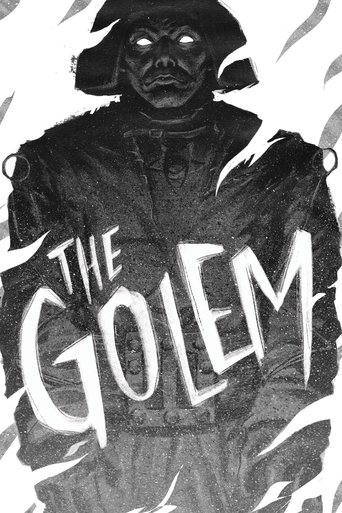
- Breakthrough role in 'The Golem: How He Came Into the World' (1920)
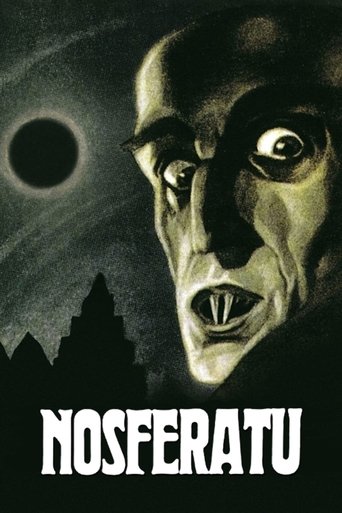
- Iconic performance as Ellen Hutter in 'Nosferatu' (1922)
- Work with F.W. Murnau during German Expressionism's peak
- Transition from stage to film during silent era
- Contributions to early German horror cinema
Best Known For
Iconic Roles
Must-See Films
Accolades
Special Recognition
- Posthumous recognition as a figure in horror cinema
- Cited in film history books for contributions to German Expressionism
Working Relationships
Worked Often With
Studios
Why They Matter
Impact on Culture
Greta Schröder's performance in 'Nosferatu' had a profound and lasting impact on horror cinema, establishing archetypes that would influence the genre for decades. Her portrayal of Ellen Hutter created the template for the 'final girl' character in horror films - the virtuous heroine who ultimately confronts and defeats evil through purity and sacrifice. The film itself, with Schröder at its emotional center, became a foundational text for vampire mythology and Gothic horror, influencing everything from Universal's 'Dracula' to modern horror cinema. Her work helped establish German Expressionism as a major artistic movement in film, with its visual style and psychological depth influencing filmmakers worldwide. Schröder's image as Ellen Hutter has become iconic, frequently reproduced in film history books, horror film retrospectives, and cultural studies of early cinema.
Lasting Legacy
Greta Schröder's legacy is inextricably linked to her role in 'Nosferatu,' which has ensured her place in cinema history despite her relatively brief film career. The film's preservation and continued study have kept her performance alive for new generations of film enthusiasts and scholars. She represents the transition from theatrical acting to film acting techniques, demonstrating how performers adapted their craft for the new medium. Her work exemplifies the artistic heights achieved by German cinema in the 1920s, a period often considered the golden age of German film. Schröder is frequently cited in academic studies of horror cinema, German Expressionism, and women's roles in early film, cementing her status as a significant figure in film history.
Who They Inspired
Schröder's performance style influenced subsequent generations of horror film actresses, particularly in conveying psychological terror through subtle expression rather than overt theatrics. Her work in 'Nosferatu' established conventions for portraying female victims/heroines in supernatural horror that persisted throughout the 20th century. Directors studying German Expressionism often analyze her performance as an example of effective silent film acting. The emotional authenticity she brought to supernatural roles helped elevate horror from mere spectacle to psychologically complex drama. Contemporary actresses in horror films, particularly those playing against supernatural threats, still echo elements of Schröder's approach to combining vulnerability with inner strength.
Off Screen
Greta Schröder was married to the renowned film director and actor Ernst Matray, with whom she frequently collaborated. Their marriage represented one of the notable artistic partnerships in early German cinema. After her film career declined with the advent of sound, she focused more on her theatrical work and teaching. She spent her later years in relative obscurity in Berlin, where she passed away in 1967, just before the horror film renaissance that would bring renewed attention to her work in 'Nosferatu.'
Education
Trained in theater and dramatic arts in Hamburg and Berlin before transitioning to film
Family
- Ernst Matray (1914-1925)
Did You Know?
- Despite her iconic status in 'Nosferatu,' she made relatively few films compared to other silent era stars
- Many of her other silent films are now considered lost
- She was primarily a stage actress who only briefly worked in film
- Her performance in 'Nosferatu' was largely unappreciated during her lifetime
- The film's unauthorized adaptation of 'Dracula' led to legal battles that nearly destroyed all copies
- She continued acting on stage well into the sound era
- Her husband Ernst Matray appeared with her in several films
- She was part of the vibrant Berlin theater scene before World War I
- Her ethereal screen presence made her particularly sought after for supernatural roles
- She lived to see the horror film revival of the late 1960s but died before 'Nosferatu' achieved cult status
In Their Own Words
(On Nosferatu) 'We knew we were creating something special, though none of us could imagine it would endure so long'
(On silent acting) 'The eyes must say what the voice cannot'
Frequently Asked Questions
Who was Greta Schröder?
German actress of the silent era, best known for her haunting performance as Ellen Hutter in F.W. Murnau's 'Nosferatu' (1922). She was a prominent figure in German Expressionist cinema and also appeared in 'The Golem: How He Came Into the World' (1920).
What films is Greta Schröder best known for?
Titles linked here include Nosferatu (1922), The Golem: How He Came Into the World (1920).
When was Greta Schröder born and when did she die?
Born June 27, 1892; died June 8, 1967.
What awards did Greta Schröder win?
Greta Schröder did not receive major formal awards during her career, as she worked primarily in the silent era before such recognition systems were established. However, she has received posthumous recognition for her contributions to cinema history.
What was Greta Schröder's acting style?
Schröder's acting style combined the dramatic techniques of silent film with subtle psychological depth. She was particularly skilled at conveying emotion through facial expressions and body language, bringing an ethereal quality to her performances that made her especially effective in supernatural roles.