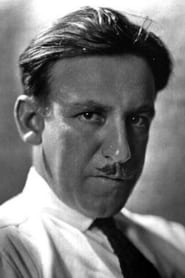
Carl Boese
Director
Born: November 26, 1884 in Bad Muskau, German Empire Died: February 7, 1958 Active: 1917-1957
Films
1 film
About Carl Boese
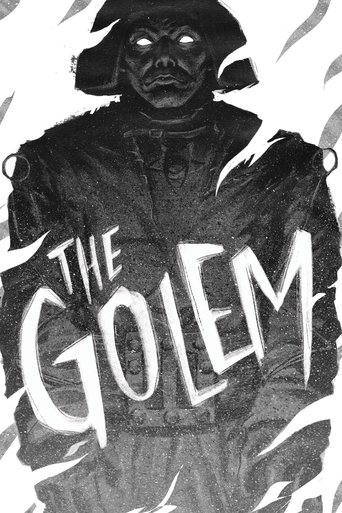
Helped shape early German cinema. He is especially remembered today for directing the original 1920 version of The Golem: How He Came Into the World with Paul Wegener, one of the landmark fantasy-horror films of the Weimar period. Boese worked prolifically across genres, including comedies, melodramas, adventure films, and literary adaptations, which reflects both his adaptability and the industrious studio system in which he operated. Over the course of the 1920s and 1930s, he remained a reliable director of popular entertainment rather than a single-genre auteur, contributing to the breadth of German film production in the years before, during, and after the rise of sound. He also directed numerous lighter commercial films, including works associated with popular entertainers and comic material, helping sustain the mass-market appeal of German cinema. Although he is not as internationally famous as some of his contemporaries, his work remains important to historians for documenting the commercial and artistic range of Weimar and early sound-era filmmaking. His career is often discussed in relation to the evolution of German genre cinema, especially fantasy and comedy, and his name endures chiefly because of the enduring reputation of The Golem.
The Craft
Behind the Camera
Boese’s directing style was generally pragmatic, efficient, and audience-oriented rather than overtly expressionist or highly stylized. He appears to have been especially strong in commercial genre filmmaking, balancing clear storytelling with production values suited to studio filmmaking in Germany. In The Golem, his work helped shape a visually striking folk-horror atmosphere, but across his broader career he was known more for reliability and versatility than for a singular visual signature. His films often reflect the craftsmanship of Weimar-era studio directors who could move fluidly between comedy, drama, and fantasy depending on market demand.
Milestones
- Co-directed the original The Golem: How He Came Into the World (1920), a foundational film in German fantasy and horror cinema
- Built a prolific directing career in Weimar Germany spanning silent comedies, dramas, and genre films
- Transitioned successfully into the sound era and continued directing commercially viable films
- Worked with major figures of German cinema during the 1920s, including Paul Wegener
- Remained active across multiple decades, demonstrating unusual longevity for a director who began in the silent era
Best Known For
Must-See Films
Working Relationships
Worked Often With
Studios
Why They Matter
Impact on Culture
Carl Boese’s most significant cultural contribution lies in his role as co-director of The Golem: How He Came Into the World, a film that has had a lasting impact on the aesthetics and mythology of horror cinema. That film helped establish the golem legend as a durable screen image and contributed to the international reputation of German silent cinema for visual imagination and atmospheric storytelling. Beyond that landmark, Boese represents the many productive directors whose work sustained the industrial and popular side of Weimar and early sound-era filmmaking. His career illustrates how German cinema was not built only by the best-known auteurs but also by efficient craftspeople who could move between prestige projects and mainstream entertainment. His output helped define the breadth of genre cinema in Germany, from fantasy and melodrama to comedy and operetta adaptations.
Lasting Legacy
Boese’s lasting legacy is inseparable from The Golem, which remains a canonized title in film history and a touchstone for horror and fantasy scholarship. While he is less often singled out as a stylistic innovator than some of his contemporaries, his career is still valuable to historians because it demonstrates the practical, genre-spanning work that powered German film culture across turbulent decades. In archival and retrospective contexts, he is remembered as part of the generation that bridged silent and sound cinema in Germany. His name continues to surface whenever scholars discuss the origins of screen horror, the development of Weimar popular cinema, or the broad ecosystem of directors who made German studio production so influential internationally.
Who They Inspired
Boese influenced later filmmakers primarily through the enduring reputation of The Golem, which became part of the visual and thematic vocabulary of monster and horror films that followed. The film’s combination of folklore, spectacle, and tragic atmosphere helped provide a template for later fantasy-horror works in Europe and beyond. More broadly, his career exemplifies the kind of versatile studio direction that later commercial filmmakers in Germany and elsewhere would emulate: efficient storytelling, genre adaptability, and sensitivity to audience appeal. His work is also indirectly influential as a historical document of Weimar genre production, showing how horror and comedy could coexist within a national cinema often discussed in terms of expressionism.
Off Screen
Publicly available information about Carl Boese’s private life is limited compared with his filmography, and standard reference sources focus primarily on his professional work. He was married, but detailed documentation about his family life is not consistently available in commonly used film references. Like many German film workers of his generation, much of what is known about him comes from studio records, film credits, and historical film scholarship rather than personal memoirs or extensive interviews. Because of this, his personal biography is less fully documented than his career as a director.
Education
Educational background is not readily documented in standard film references.
Family
- Marga Boese (date range not readily verifiable in standard references)
Did You Know?
- He is best remembered internationally for co-directing the original silent version of The Golem rather than for any single later film.
- Boese — prolific German director who worked in both the silent and sound eras, which was not always easy for filmmakers of his generation.
- His career included comedy, melodrama, fantasy, and literary adaptation, showing a wide range of commercial interests.
- The Golem: How He Came Into the World has become.
- He is often overshadowed by more famous German directors of the period, but his output was substantial and industry-important.
- Because he worked largely within studio production, many of his films are less widely known today even though he was highly active at the time.
- Boese’s career extended far beyond the 1920 film most associated with him, demonstrating unusual longevity in a rapidly changing industry.
Frequently Asked Questions
Who was Carl Boese?
German on YTB.my. He is best known today for co-directing The Golem: How He Came Into the World (1920), a classic of German fantasy-horror cinema.
What films is Carl Boese best known for?
Titles linked here include The Golem: How He Came Into the World (1920), The Csardas Princess (1919).
When was Carl Boese born and when did he die?
Born November 26, 1884; died February 7, 1958.
What awards did Carl Boese win?
No major awards or prize wins are consistently documented for Carl Boese in standard film references. His recognition today comes mainly from film-historical importance, especially the lasting status of The Golem.
What was Carl Boese's directing style?
Boese’s directing style was practical, versatile, and strongly oriented toward commercial filmmaking. He was capable of handling fantasy, comedy, melodrama, and popular entertainment, and his best-known work helped create a memorable atmospheric style in early German horror.
What is Carl Boese's legacy in film history?
His legacy rests primarily on his contribution to one of the defining films of early German cinema, The Golem. More broadly, he represents the skilled studio directors who made Weimar and early sound German cinema so rich in genre variety and industrial output.
Was Carl Boese also an actor or screenwriter?
He is primarily remembered as a director, but like several filmmakers of his era he also worked in other creative capacities in the film industry. Standard references emphasize directing as his main contribution.