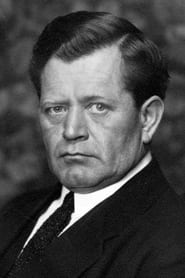
Albert Steinrück
Actor
Born: August 20, 1872 in Jena, Germany Died: February 27, 1929 Active: 1920-1927
Films
5 films

About Albert Steinrück
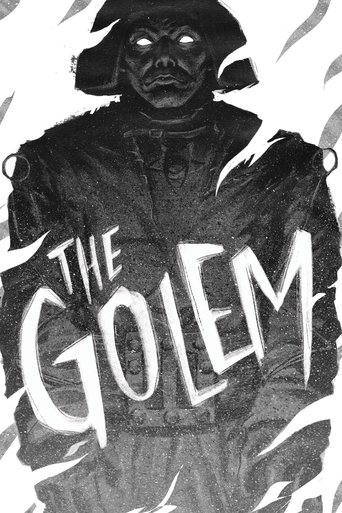
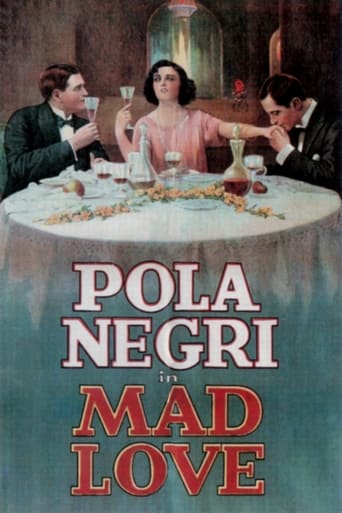
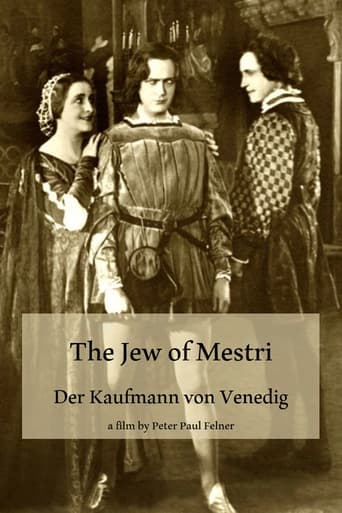
German stage and film actor: screen career placed him among the notable character performers of the Weimar silent cinema. Born in 1872, he came to film after establishing himself on the stage, bringing a highly trained theatrical presence to the rapidly developing medium of early German cinema. He is especially remembered for authoritative, often imposing supporting roles in important expressionist and historical films, where his intense features and grave manner suited solemn, patriarchal, or morally ambiguous characters. Steinrück appeared in productions associated with major figures of German silent film, including Paul Wegener and Fritz Lang’s era of stylized filmmaking, and he contributed memorably to some of the most artistically significant works of the 1920s. His performance in The Golem: How He Came Into the World (1920) is among his best-known screen appearances, helping establish him in one of the foundational masterpieces of expressionist cinema. He continued to work steadily through the middle of the decade in prestige productions such as Mad Love (1921), The Jew of Mestri (1923), Helen of Troy (1924), and At the Edge of the World (1927). Steinrück died in 1929, before the transition to sound cinema was fully complete, leaving behind a concise but film legacy rooted in the high artistry of silent-era German film.
The Craft
On Screen
Steinrück’s acting style was grounded in stage discipline, with a controlled, dignified presence that translated well to silent cinema’s heightened visual demands. He was often cast in authoritative or morally weighted roles, where his expressive face, deliberate gestures, and calm intensity could convey depth without broad melodrama. In expressionist and historical films, he projected a sense of psychological seriousness and cultural authority. His performances tended to emphasize composure, inner conflict, and the burden of responsibility rather than overt display.
Milestones
- Appeared in The Golem: How He Came Into the World (1920), one of the landmark works of German expressionist cinema
- Built a respected screen reputation as a gravitas-filled character actor in Weimar-era silent films
- Worked on major historical and literary productions during the 1920s, including Helen of Troy (1924)
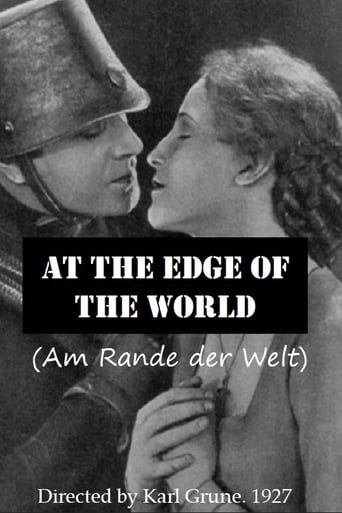
- Contributed to At the Edge of the World (1927), one of the important late silent films of the German cinema movement
- Brought stage-trained authority and emotional restraint to early film acting, helping bridge theatrical and cinematic performance styles
Best Known For
Iconic Roles
Must-See Films
Working Relationships
Worked Often With
Studios
Why They Matter
Impact on Culture
Albert Steinrück’s cultural impact lies in his contribution to the visual language of German silent cinema at a formative moment in film history. As a stage-trained actor in major expressionist and historical productions, he helped define a style of performance that balanced theatrical clarity with cinematic subtlety. His work in The Golem: How He Came Into the World placed him in one of the canonical texts of world cinema, a film still studied for its sets, atmosphere, and acting conventions. Although he was not a star in the mass-celebrity sense, he was part of the ensemble of serious artists who gave Weimar cinema its reputation for intellectual ambition and visual sophistication. His screen presence helped solidify the importance of character actors in silent film, especially in films that relied on strong, symbolic performances to carry mythic and historical themes.
Lasting Legacy
Steinrück’s legacy is tied to the prestige of the films in which he appeared and to the tradition of German acting that bridged theatre and silent screen expression. He is remembered by film historians as a dependable and expressive performer whose roles helped sustain the dramatic weight of ambitious productions. Because his career was comparatively short and ended before sound film matured, his reputation rests more on the quality of his surviving films than on a large body of work. Nevertheless, his presence in The Golem and other Weimar-era titles ensures that he remains part of the canon of early German cinema. His legacy endures as that of a refined character actor whose performances contributed to the atmosphere, seriousness, and artistic cohesion of silent-era classics.
Who They Inspired
Steinrück influenced later appreciation of supporting actors in silent cinema, especially those whose craft depended on presence, timing, and emotional compression rather than star charisma. His performances exemplify the German expressionist approach in which acting worked in concert with design, lighting, and narrative symbolism. Later film scholars and performers studying Weimar cinema can see in his work an example of how theatrical training could be adapted to the camera without losing intensity. His contribution helped shape expectations for authoritative male roles in historical and mythic films, and he remains a useful reference point for the performative style of early German screen acting.
Off Screen
Publicly available biographical information on Steinrück’s personal life is limited compared with his film contemporaries, and the surviving record focuses mainly on his stage and screen work. He was a German actor born in Jena and is documented primarily through theatrical references and film credits rather than detailed memoir material. No widely cited information is available here about marriages, children, or other family life, and he appears to have maintained a relatively private personal profile. His career suggests a professional life centered on the theatre and German film industry rather than on celebrity culture.
Education
Likely trained through the German theatrical system and stage practice rather than through a widely documented formal conservatory education; specific schooling is not widely available in surviving sources.
Did You Know?
- He was born in Jena, Germany, in 1872, making him significantly older than many of the directors and actors active in the silent film boom of the 1920s.
- Steinrück’s film career, as commonly documented, is relatively compact and concentrated in the 1920s, but it includes titles of major historical importance.
- He is most strongly associated with German silent cinema rather than with later sound-era film acting.
- His screen roles often drew on his stage background, favoring authority figures and serious dramatic characters.
- He appeared in The Golem: How He Came Into the World, a key landmark of expressionist cinema still frequently cited in film history courses.
- He died in 1929, just before the full consolidation of the German sound film era.
- Because he was active in an era before extensive publicity archives, details of his private life are comparatively sparse.
Frequently Asked Questions
Who was Albert Steinrück?
German stage and silent film with credits in this catalog. He brought a serious, stage-trained presence to important films of the 1920s, including The Golem: How He Came Into the World.
What films is Albert Steinrück best known for?
Titles linked here include The Golem: How He Came Into the World (1920), Mad Love (1921).
When was Albert Steinrück born and when did he die?
Born August 20, 1872; died February 27, 1929.
What awards did Albert Steinrück win?
No major awards or formal honors are widely documented for Albert Steinrück in the surviving historical record. His recognition comes primarily from his roles in important classic films rather than from recorded prize-giving bodies.
What was Albert Steinrück's acting style?
Steinrück’s style was controlled, dignified, and deeply rooted in theatre practice. He often conveyed authority and emotional gravity through restrained gestures, expressive facial work, and a calm intensity suited to silent cinema.
What is Albert Steinrück's legacy in film history?
His legacy lies in his contribution to major Weimar silent films and in the model he provides of the serious supporting actor in early cinema. He remains part of the artistic fabric of German expressionist film and is remembered by historians for adding depth and authority to classic productions.