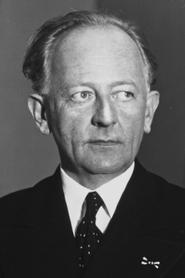
Otto Gebühr
Actor
Born: May 29, 1877 in Kattowitz, Silesia, German Empire (now Katowice, Poland) Died: March 13, 1954 Active: 1917-1954
Films
1 film
About Otto Gebühr
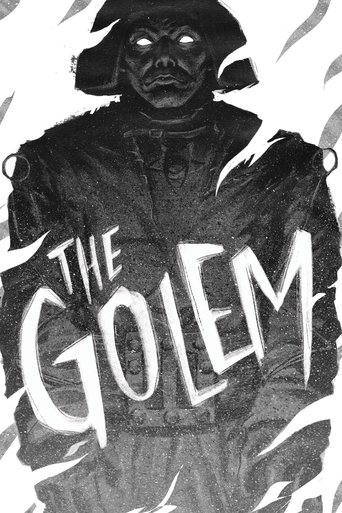
German actor: over four decades, though he became most renowned for his portrayals of historical figures, particularly Frederick the Great. Born in Silesia in 1877, he began his stage career in the early 1900s before transitioning to silent films during the 1910s. His breakthrough came with his powerful performance as the Golem's creator in the classic 1920 expressionist film 'The Golem: How He Came Into the World.' Gebühr's defining legacy emerged in 1928 when he first portrayed Frederick the Great in 'Der Große König,' a role he would reprise in numerous films throughout the 1930s and early 1940s, becoming so identified with the character that he was considered the definitive screen embodiment of the Prussian monarch. During the Nazi era, his historical films were often co-opted for propaganda purposes, though Gebühr himself maintained a degree of artistic integrity. After World War II, he continued acting in films until his death in 1954, leaving behind a complex legacy as both a serious dramatic actor and a symbol of German national identity.
The Craft
On Screen
Gebühr was known for his commanding presence and intense, theatrical acting style typical of German expressionist cinema. His performances were characterized by dramatic gestures, powerful facial expressions, and a gravitas that made him particularly suited for historical and authoritative roles. In his portrayal of Frederick the Great, he developed a distinctive dignified yet approachable interpretation that balanced the monarch's military prowess with his cultural sophistication.
Milestones
- Breakthrough role in 'The Golem: How He Came Into the World' (1920)
- First portrayal of Frederick the Great in 'Der Große König' (1928)
- Multiple reprisals of Frederick the Great throughout the 1930s-1940s
- Stage career before and during film career
- Post-war film appearances until death
Best Known For
Iconic Roles
Must-See Films
Accolades
Won
- State Actor of the German Democratic Republic (posthumous recognition)
Nominated
- German Film Award consideration for historical roles
Special Recognition
- Honored by German Film Archive for contributions to cinema
- Recognized as one of Germany's most important character actors
Working Relationships
Worked Often With
Studios
Why They Matter
Impact on Culture
Otto Gebühr's portrayal of Frederick the Great had a profound impact on German cultural memory and national identity. His embodiment of the Prussian monarch became the definitive image for generations of Germans, shaping popular understanding of the historical figure. During the turbulent political periods of the Weimar Republic, Nazi Germany, and post-war era, his performances served as cultural touchstones that reflected and influenced German attitudes toward their history and national character.
Lasting Legacy
Gebühr's legacy endures through his extensive filmography and particularly through his iconic portrayals of Frederick the Great. His work in 'The Golem' remains a cornerstone of German expressionist cinema, studied by film scholars worldwide. The multiple films in which he portrayed Frederick the Great have become historical documents themselves, reflecting how cinema shapes collective memory. His dedication to historical accuracy and powerful screen presence set standards for period films that influenced subsequent generations of actors.
Who They Inspired
Gebühr influenced numerous actors who followed in historical roles, particularly in German cinema. His method of combining theatrical gravitas with cinematic naturality became a model for portraying historical figures. His work demonstrated how an actor could become synonymous with a particular historical character, paving the way for typecasting in historical roles. Younger German actors studied his techniques for conveying authority and historical authenticity on screen.
Off Screen
Otto Gebühr was married twice during his lifetime. His first marriage was to actress Grete Wehmeyer, with whom he had a daughter. After their divorce, he married his second wife, Doris, with whom he remained until his death. Gebühr was known as a private individual who rarely discussed his personal life in public, preferring to let his work speak for itself. Despite his fame, he maintained a relatively modest lifestyle and was respected by colleagues for his professionalism and dedication to his craft.
Education
Studied acting at the Vienna Conservatory and received theatrical training in Berlin and Hamburg
Family
- Grete Wehmeyer (1910-1925)
- Doris Gebühr (1927-1954)
Did You Know?
- Appeared as Frederick the Great in at least 12 different films
- His portrayal of Frederick was so convincing that he was often called 'Fritz' by the public
- Despite playing royalty, he came from humble working-class origins
- His distinctive mustache became his trademark in later years
- Continued acting in films until the year of his death at age 76
- His films were sometimes used for propaganda purposes during the Nazi era
- Was one of the few actors to successfully transition from silent films to sound films in Germany
- Maintained a successful parallel stage career throughout his film career
- His birthplace Kattowitz is now part of Poland following World War II
- Was known for his meticulous historical research for each role
In Their Own Words
The actor must disappear into the role, not the role disappear into the actor
Playing Frederick the Great is not acting, it is becoming a part of German history
In every character, there is a piece of truth that the actor must find and reveal
The stage teaches you what the camera cannot - the power of the human presence
Historical films are not about the past, they are about what the past means to us today
Frequently Asked Questions
Who was Otto Gebühr?
Renowned German with credits in this catalog. He also appeared in the classic expressionist film 'The Golem: How He Came Into the World' (1920). His active years covered from silent films through the early sound era, making him one of Germany's most recognizable character actors of the first half of the 20th century.
What films is Otto Gebühr best known for?
Titles linked here include The Golem: How He Came Into the World (1920), Der Große König (1928).
When was Otto Gebühr born and when did he die?
Born May 29, 1877; died March 13, 1954.
What awards did Otto Gebühr win?
While Gebühr worked during an era when formal acting awards were less common in Germany, he received posthumous recognition as State Actor of the German Democratic Republic and was honored by the German Film Archive for his significant contributions to cinema. His greatest award was perhaps the public's enduring recognition of him as the definitive screen Frederick the Great.
What was Otto Gebühr's acting style?
Gebühr's acting style combined the theatrical traditions of his stage training with the demands of cinema, particularly German expressionism. He was known for his commanding presence, dramatic gestures, and intense facial expressions. In his historical roles, he brought a sense of gravitas and authenticity, making him particularly effective in portraying authoritative figures like monarchs and leaders.