
Ernst Deutsch
Actor
Born: September 16, 1890 in Prague, Austria-Hungary (now Czech Republic) Died: March 22, 1969 Active: 1916-1969
Films
3 films

About Ernst Deutsch
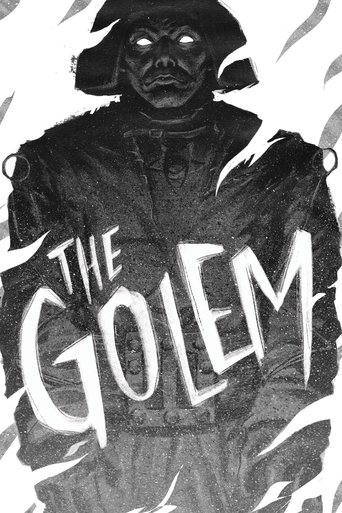
Austrian-German actor: from the silent era through the mid-20th century. Born in Prague in 1890, he began his stage career before transitioning to film during the golden age of German Expressionist cinema. Deutsch gained international recognition for his powerful performances in silent masterpieces like 'The Golem: How He Came Into the World' (1920), where he portrayed the Golem, and 'From Morning to Midnight' (1920). His expressive acting style perfectly suited the Expressionist movement, with his intense gaze and dramatic physical presence making him particularly effective in psychological roles. Unlike many silent film stars, Deutsch successfully transitioned to sound films, continuing his career in both German and international productions. He worked extensively in theater throughout his film career, maintaining a strong connection to the stage. Deutsch eventually emigrated to the United States during the Nazi era, where he continued acting under the name Ernest Dorian before returning to Europe after World War II.
The Craft
On Screen
Expressionist and highly physical, characterized by intense facial expressions and dramatic body language. Deutsch was known for his ability to convey complex emotions through minimal means in silent films, using his eyes and subtle gestures to create psychological depth. His stage background influenced his film work, bringing theatrical intensity to his screen performances while adapting to the intimate nature of cinema.
Milestones
- Breakthrough role in 'The Golem: How He Came Into the World' (1920)
- Starred in 'From Morning to Midnight' (1920)
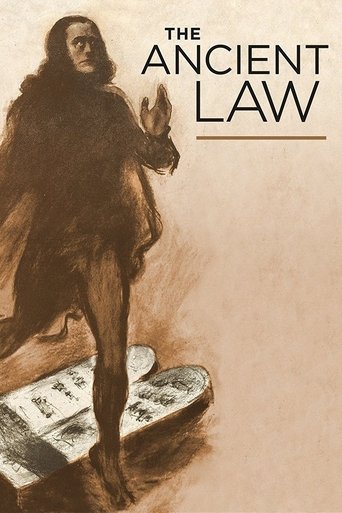
- Leading role in 'The Ancient Law' (1923)
- Successful transition to sound films
- Stage career at Vienna Burgtheater
- Emigrated to America during Nazi regime
- Returned to European cinema post-WWII
Best Known For
Iconic Roles
Must-See Films
Accolades
Won
- Volksbühne Berlin Acting Award
- Staatsschauspieler (State Actor) title in Austria
Nominated
- German Film Award consideration for supporting roles
Special Recognition
- Named Staatsschauspieler (State Actor) by Austrian government
- Member of Vienna Burgtheater ensemble
- Honored at German Film Retrospectives
Working Relationships
Worked Often With
Studios
Why They Matter
Impact on Culture
Ernst Deutsch played a significant role in shaping German Expressionist cinema during its golden age. His portrayal of the Golem became iconic in horror cinema history, influencing generations of monster movie performances. As one of the prominent Jewish artists who fled Nazi Germany, his career trajectory reflected the broader story of artistic exile and survival during one of Europe's darkest periods. His work helped bridge the gap between European theatrical traditions and emerging cinematic art forms.
Lasting Legacy
Deutsch's legacy endures through his contributions to Expressionist cinema and his influence on horror film archetypes. His Golem performance remains a touchstone for monster movie characterization, while his successful career transitions demonstrated the versatility required of actors during cinema's rapid evolution. His story represents the resilience of artistic talent during political upheaval and the international nature of film art.
Who They Inspired
Deutsch influenced subsequent generations of character actors, particularly in German cinema. His method of combining theatrical intensity with cinematic subtlety became a model for actors transitioning from stage to screen. His work in horror films helped establish visual and performative conventions that would influence the genre for decades, from Universal's monster movies to modern psychological thrillers.
Off Screen
Ernst Deutsch was married twice and had one daughter. He was known for his intellectual pursuits and was well-versed in literature and philosophy. During the Nazi regime, being Jewish, he faced persecution and was forced to flee Europe, eventually settling in the United States where he continued his acting career under the name Ernest Dorian. After World War II, he returned to Europe and resumed his career in German and Austrian productions.
Education
Studied acting at the Academy of Music and Performing Arts in Vienna, trained under Max Reinhardt
Family
- Annie Rosar (1930-1936)
- Susanne (second wife, dates unknown)
Did You Know?
- Was fluent in German, Czech, English, and French
- Worked under the pseudonym Ernest Dorian in Hollywood
- Was a member of Max Reinhardt's theater company
- His Golem makeup took several hours to apply
- Fled Germany in 1933 after the Nazi rise to power
- Returned to Europe after WWII to continue his career
- Was offered Hollywood contracts but preferred European productions
- Maintained his stage career throughout his film work
- Was considered one of Vienna's finest character actors
- His performance in 'M' (1931) was praised by Fritz Lang
In Their Own Words
The silent film taught us that true emotion needs no words.
In the Golem, I found not just a monster, but the soul of the oppressed.
Theater is my first love, but cinema allows me to reach more hearts.
Expressionism was not just a style, it was the language of our tortured souls.
Frequently Asked Questions
Who was Ernst Deutsch?
Prominent Austrian-German with credits in this catalog. He was best known for his role as the Golem in the 1920 classic film and for his powerful performances in silent and early sound films.
What films is Ernst Deutsch best known for?
Titles linked here include The Golem: How He Came Into the World (1920), From Morning to Midnight (1920).
When was Ernst Deutsch born and when did he die?
Born September 16, 1890; died March 22, 1969.
What awards did Ernst Deutsch win?
Deutsch was honored with the title of Staatsschauspieler (State Actor) by the Austrian government and received the Volksbühne Berlin Acting Award. He was also recognized as a member of the Vienna Burgtheater ensemble.
What was Ernst Deutsch's acting style?
Deutsch's acting style was quintessentially Expressionist, characterized by intense physicality, dramatic facial expressions, and powerful emotional conveyance. He brought theatrical intensity to his film roles while adapting to the intimate demands of cinema, particularly excelling in psychological and horror roles.
Did Ernst Deutsch work in Hollywood?
Yes, during his exile from Nazi Germany, Deutsch worked in Hollywood under the name Ernest Dorian. However, he maintained stronger ties to European cinema and returned to Europe after World War II to continue his career there.
How did Ernst Deutsch's career change during the Nazi era?
As a Jewish artist, Deutsch was forced to flee Germany in 1933 after the Nazis rose to power. He emigrated to the United States where he continued acting, then returned to Europe after WWII to resume his career in German and Austrian productions.