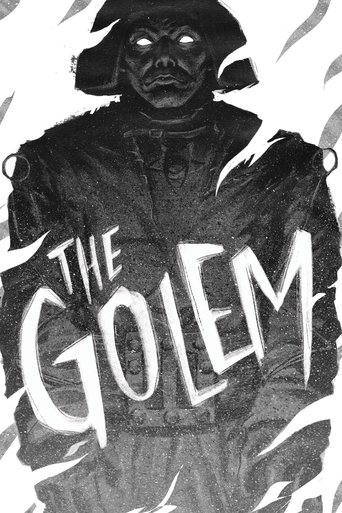
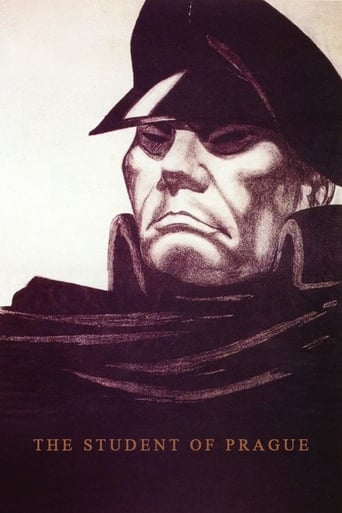
Films
4 films

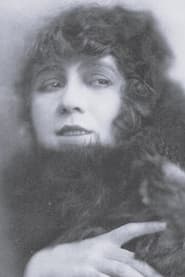
About Lyda Salmonova
Czech-born silent film actress best remembered for her work in some of the most important expressionist and fantasy films of early European cinema. She is closely associated with the films of director Paul Wegener, with whom she collaborated on landmark productions including The Student of Prague (1913), The Golem (1915), The Golem: How He Came Into the World (1920), and The Loves of Pharaoh (1922). Her screen career is documented primarily during the 1910s and early 1920s, a period in which she helped define the eerie, stylized atmosphere that made German-language silent cinema so influential. Salmonova is often remembered less for a large body of surviving credits than for her connection to these historically significant films, which remain central to discussions of early horror, fantasy, and expressionist filmmaking. Because much of the scholarship on her is tied to cast lists and production history rather than extensive biographical records, many details of her private life and later career are not widely documented. Even so, her presence in these canonical titles gives her a secure place in silent-era film history. She is recognized as one of the notable early actresses whose work contributed to the aesthetic vocabulary of European genre cinema.
The Craft
On Screen
Salmonova's screen work belongs to the silent-era tradition of expressive, physically readable performance, where gesture, posture, and facial expression carried narrative and emotional meaning. In the films for which she is known, her acting would have needed to function within highly stylized productions that emphasized mythic atmosphere, dramatic tableaux, and strong visual contrast. Rather than modern naturalism, the style of her era favored a controlled, theatrical intensity suited to fantasy and melodrama. Her performances likely blended symbolic presence with the emotional clarity required by silent film storytelling.
Milestones
- Appeared in The Student of Prague (1913), one of the foundational films of German-language fantasy cinema
- Featured in The Golem: How He Came Into the World (1920), the best-known and most influential version of the story
- Acted in The Loves of Pharaoh (1922), a large-scale historical production associated with Paul Wegener and Ernst Lubitsch's era of lavish silent filmmaking
- Established herself as part of the creative circle around Paul Wegener, one of the key figures in early German film history
- Contributed to films that are now studied as milestones of expressionism, folklore adaptation, and silent-era visual storytelling
Best Known For
Iconic Roles
Must-See Films
Working Relationships
Worked Often With
Studios
Why They Matter
Impact on Culture
Lyda Salmonova's cultural impact comes primarily from her participation in some of the most enduring mythic and expressionist films of the silent era. The Golem films, in particular, are foundational works in the history of fantasy and horror cinema, and her involvement places her among the performers who helped bring Jewish folklore and supernatural imagery to the screen in a way that would influence decades of later genre filmmaking. Her performances contributed to the visual and emotional language of early screen horror, where atmosphere, costume, and gesture were as important as plot. Even though she is not as famous to general audiences as the directors and leading male figures around her, film historians recognize her as part of the creative fabric of early European cinema. Her credits also connect her to the broader development of German cinema before the rise of the major studio system in the mid-1920s.
Lasting Legacy
Salmonova's lasting legacy lies in the historical importance of the films she made rather than in a large surviving star persona. Because The Student of Prague and the Golem films are repeatedly restored, studied, and screened in retrospectives of silent cinema, her work remains visible to historians and classic film enthusiasts. She represents the many early performers whose names appear in cornerstone films of cinema history even when the archival record about their lives is sparse. Her legacy is therefore inseparable from the emergence of European fantasy and horror on screen, especially in the expressionist tradition that shaped later film aesthetics worldwide. In film history, she stands as a representative figure of the silent-era actress whose contribution is preserved through enduring masterpieces. Her presence in these films helps ensure that she remains part of the canon of early cinematic performance.
Who They Inspired
Salmonova influenced cinema indirectly through the films she helped bring to life, especially the Golem cycle, which became an enduring template for screen fantasy and monster mythology. The visual and performance style of these films influenced later German expressionism, horror cinema, and the broader tradition of supernatural storytelling on film. While there is little evidence of direct mentoring or a later acting school bearing her influence, her work contributed to the benchmark performances and production styles that later actors and filmmakers studied. Her screen persona is part of the silent-era tradition that helped establish how mood, silence, and physical expression could carry a film's emotional and symbolic weight. In that sense, her influence is historical and aesthetic rather than personal or pedagogical.
Off Screen
Reliable biographical information about Lyda Salmonova's personal life is limited in commonly available film-history sources. She is most often discussed in relation to her professional association with Paul Wegener and her appearances in his films rather than through detailed family or domestic history. No widely verified public record of marriages, children, or later-life activities is consistently cited in standard reference sources. As with many silent-era performers, her personal biography is less documented than her filmography, and some details may survive only in specialized archives or contemporary German and Czech-language materials.
Education
No widely verified information about formal education is readily available in standard film reference sources.
Family
- Paul Wegener (reportedly married; dates not widely verified in standard references)
Did You Know?
- She is most strongly associated with Paul Wegener's famous Golem films.
- Her best-known films belong to the silent-era tradition of fantasy and expressionist cinema.
- The Student of Prague (1913) is one of the earliest prestige fantasy films of the German-speaking screen world.
- The Golem: How He Came Into the World (1920) is considered the most artistically important of the Golem film adaptations.
- Her filmography is relatively short and concentrated in a few historically significant productions.
- Like many silent-era performers, her surviving fame comes mainly from cast lists and film history rather than extensive press coverage.
- She worked during a formative period when German and Central European cinema was developing internationally recognized styles.
- Her career bridges the transition from early silent fantasy experiments to more elaborate postwar production values.
Frequently Asked Questions
Who was Lyda Salmonova?
Czech silent-film actress best known for appearing in important early fantasy and expressionist films of the 1910s and early 1920s. She is especially remembered for her collaborations with director and actor Paul Wegener, including several films connected to the Golem legend.
What films is Lyda Salmonova best known for?
Titles linked here include The Student of Prague (1913), The Golem (1915).
When was Lyda Salmonova born and when did she die?
Her exact birth and death dates are not clearly established in widely accessible standard reference sources, so they are generally listed as unknown. Film historians most often identify her through her film credits rather than through a fully documented life record.
What awards did Lyda Salmonova win?
No major awards or formal honors are widely documented for Lyda Salmonova in the surviving standard reference material. Like many silent-era performers, her historical importance rests more on the significance of the films she appeared in than on recorded awards.
What was Lyda Salmonova's acting style?
Her acting style belonged to the silent-era tradition of expressive physical performance, where gesture and facial expression conveyed character and emotion. In stylized fantasy and expressionist films, that approach helped create the eerie, heightened mood that defined early German cinema.
What is Lyda Salmonova's legacy in film history?
Her legacy is tied to landmark silent films that helped shape the history of horror, fantasy, and expressionist cinema. Even though biographical details about her are limited, her work remains part of the canon of early European film history.