Hubert I. Stowitts
Actor
Born: January 26, 1892 in Rushville, Nebraska, USA Died: February 16, 1953 Active: 1926-1926 (film acting), 1915-1950 (overall artistic career) Birth Name: Hubert Julian Stowitts
Films
1 film
About Hubert I. Stowitts
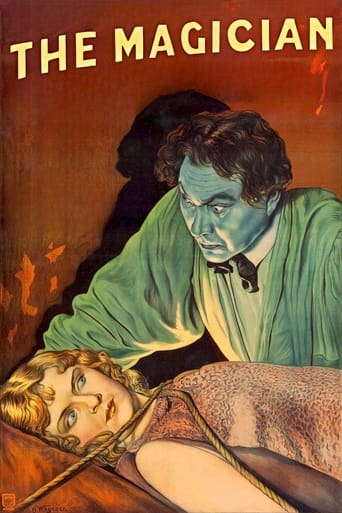
Hubert Julian Stowitts — remarkably multi-talented American artist who achieved distinction as a dancer, actor, painter, and anthropologist during the early 20th century. Born in Nebraska in 1892, he initially gained fame as a dancer with the Anna Pavlova's ballet company, where his striking physique and classical technique earned him the nickname 'the American Adonis.' After serving in World War I, Stowitts transitioned into film, appearing in the 1926 silent horror classic 'The Magician,' which would become his most notable cinematic role. Following his brief film career, he devoted himself to anthropological studies, traveling extensively to document and artistically represent indigenous peoples through paintings and sculptures. His later years were marked by a significant relationship with explorer and writer Richard Halliburton, with whom he traveled and collaborated. Stowitts' diverse artistic contributions spanned multiple disciplines, making him a unique figure in American cultural history. He passed away in 1953, leaving behind a complex legacy as both a performer and scholar.
The Craft
On Screen
Stowitts' acting style was typical of the silent era, characterized by exaggerated physical gestures and dramatic facial expressions. His background as a dancer lent his performances a distinctive physical grace and commanding presence on screen. Though his film career was brief, his classical training and stage experience provided him with a theatrical approach to performance that translated well to the silent medium.
Milestones
- Danced with the Anna Pavlova ballet company as principal dancer
- Starred in the silent film 'The Magician' (1926)
- Created extensive anthropological artwork documenting indigenous cultures
- Served in World War I before pursuing artistic career
- Traveled extensively with Richard Halliburton on expeditions
Best Known For
Iconic Roles
Must-See Films
Working Relationships
Worked Often With
Why They Matter
Impact on Culture
Hubert I. Stowitts made significant cultural contributions across multiple artistic and academic fields. As a dancer, he helped bridge American and European classical dance traditions during the early 20th century. His work in silent cinema, though brief, contributed to the visual storytelling techniques of the era. Most significantly, his anthropological artwork provided valuable documentation of indigenous cultures at a time when such preservation was becoming increasingly important. His multidisciplinary approach to art and scholarship exemplified the Renaissance ideal of the polymath artist-scholar.
Lasting Legacy
Stowitts' legacy is that of a true Renaissance man who excelled in multiple artistic disciplines. His paintings and sculptures of indigenous peoples remain important cultural artifacts, while his performances with Pavlova and his film work represent significant contributions to early 20th-century performing arts. Perhaps most importantly, his life challenged conventional notions of identity, sexuality, and artistic expression during a restrictive era in American history. Today, he is remembered as a figure who seamlessly blended artistic expression with anthropological scholarship.
Who They Inspired
Stowitts influenced later generations of artists through his interdisciplinary approach to creativity. His combination of performance art with anthropological study prefigured later movements in ethnographic art and documentary filmmaking. His willingness to explore unconventional relationships and lifestyles during a conservative period helped pave the way for greater artistic and personal freedom in the arts. His work continues to inspire artists who seek to combine multiple disciplines and cultural perspectives in their creative endeavors.
Off Screen
Stowitts led a complex personal life marked by his artistic pursuits and relationships with notable figures. His most significant personal relationship was with explorer and writer Richard Halliburton, with whom he shared both romantic and professional connections. This relationship was considered quite unconventional for the time period and influenced much of Stowitts' later work and travels. Stowitts never married and had no known children, dedicating his life instead to his various artistic and anthropological pursuits.
Education
Attended Stanford University before leaving to pursue dance career
Did You Know?
- Was nicknamed 'the American Adonis' due to his striking physical appearance
- Served as a lieutenant in the American Expeditionary Forces during World War I
- Left Stanford University to join Anna Pavlova's ballet company
- His relationship with Richard Halliburton was one of the more open same-sex relationships of the era
- Created over 100 paintings and sculptures documenting indigenous cultures
- Spent years living among and studying various Native American tribes
- His anthropological work was exhibited at major museums including the Museum of Modern Art
- Was one of the first American dancers to achieve international recognition in classical ballet
- His film 'The Magician' was based on a novel by W. Somerset Maugham
- Later in life, he taught art and dance at various institutions
Frequently Asked Questions
Who was Hubert I. Stowitts?
Multi-talented American artist who worked as a dancer, with credits in this catalog. He gained fame as a dancer with Anna Pavlova's ballet company and later appeared in the silent film 'The Magician' (1926). His career evolved to include significant anthropological artwork documenting indigenous cultures.
What films is Hubert I. Stowitts best known for?
Titles linked here include The Magician (1926).
When was Hubert I. Stowitts born and when did he die?
Born January 26, 1892; died February 16, 1953.
What awards did Hubert I. Stowitts win?
Despite his significant contributions to multiple artistic fields, there are no records of Hubert I. Stowitts receiving major formal awards or honors during his lifetime. His recognition came primarily through his artistic achievements and the respect he earned in dance, film, and anthropological circles.
What was Hubert I. Stowitts' artistic style?
Stowitts' artistic style was characterized by classical elegance in dance, dramatic physicality in silent film acting, and detailed anthropological accuracy in his visual artwork. His diverse talents allowed him to bring a unique perspective to each medium, blending technical precision with emotional expressiveness and cultural sensitivity.