Firmin Gémier
Actor
Born: November 15, 1865 in Aubervilliers, France Died: November 26, 1933 Active: 1885-1933 Birth Name: Firmin Tonnerre
Films
2 films
About Firmin Gémier
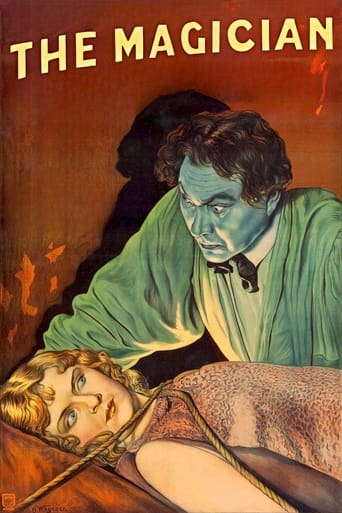
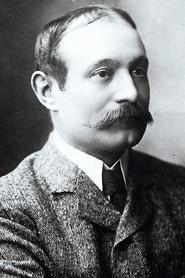
Firmin Gémier, born Firmin Tonnerre, was a French actor and theater director who significantly influenced early 20th-century European theater. He began his career in the 1880s and quickly gained recognition for his powerful stage presence and innovative approach to classical theater. Gémier was instrumental in the development of popular theater in France, believing that great dramatic art should be accessible to all social classes. He served as director of several prestigious theaters, including the Théâtre Antoine and later the Odéon, where he championed both classical works and contemporary playwrights. His most significant contribution was founding the Théâtre National Populaire in 1920, dedicated to bringing quality theater to the masses at affordable prices. While his film appearances were few, his role in 'The Magician' (1926) demonstrated his ability to translate his commanding stage presence to the silent screen. Gémier's influence extended beyond performance; he was a passionate advocate for theater education and cultural democratization until his death in 1933.
The Craft
On Screen
Known for his commanding stage presence and powerful voice, Gémier employed a dramatic, declamatory style suited to classical theater. His performances emphasized emotional intensity and grand gestures, characteristic of late 19th-century theatrical traditions. Despite the limitations of silent film, he successfully adapted his expressive techniques to the medium, using his imposing physical presence and nuanced facial expressions to convey character depth.
Milestones
- Director of Théâtre Antoine (1906-1919)
- Director of Odéon-Théâtre (1919-1922)
- Founded Théâtre National Populaire (1920)
- Appeared in 'The Magician' (1926)
- Pioneered popular theater movement in France
- Championed theater for the masses
Best Known For
Iconic Roles
Must-See Films
Accolades
Won
- Legion of Honour (Chevalier)
Special Recognition
- Commander of the Legion of Honour
- Théâtre National Populaire named in his honor
Working Relationships
Worked Often With
Studios
Why They Matter
Impact on Culture
Firmin Gémier revolutionized French theater by the concept of popular theater accessible to all social classes. His founding of the Théâtre National Populaire created a model for subsidized, democratic theater that influenced cultural policies across Europe. He challenged the elitist traditions of French theater by making quality productions affordable and accessible to working-class audiences. His belief that theater should serve as a tool for cultural education and social unity helped shape modern cultural policy in France. The movement he initiated laid groundwork for later cultural democratization efforts and influenced the development of public theater systems throughout Europe.
Lasting Legacy
Gémier's lasting legacy is the Théâtre National Populaire, which continues to operate as one of France's most important cultural institutions. His philosophy of theater as a public service rather than commercial enterprise fundamentally changed how governments approach cultural funding and accessibility. The principles he established regarding theater education, accessibility, and artistic quality continue to influence European cultural policy. His work bridged the gap between high art and popular entertainment, creating a template for inclusive cultural institutions. Many modern theater companies and cultural centers across Europe trace their philosophical lineage to Gémier's work in democratizing the arts.
Who They Inspired
Gémier directly influenced generations of theater directors and actors through his work at the Théâtre National Populaire and his advocacy for accessible theater. His students and collaborators, including Charles Dullin and Georges Pitoëff, became influential figures in their own right, spreading his theatrical philosophy throughout Europe. His emphasis on theater as a tool for social education influenced the development of educational theater programs and community theater movements. The democratic principles he established influenced later cultural policies in France and other European countries, particularly regarding public funding for the arts. His approach to blending artistic quality with popular appeal continues to influence modern theater programming and cultural institution management.
Off Screen
Gémier was deeply committed to his theatrical work and the democratization of culture. He married actress Jane Henty, who often performed alongside him in his theatrical productions. The couple had no children, and Gémier devoted his entire life to advancing theater as an art form accessible to all. His personal philosophy was deeply intertwined with his professional mission of bringing quality theater to the working classes.
Education
Self-taught in theater, began his career through practical experience rather than formal dramatic education
Family
- Jane Henty (1895-1933)
Did You Know?
- Changed his name from Tonnerre to Gémier early in his career
- The word 'Gémier' means 'gem' in French, reflecting his theatrical aspirations
- His theater company toured extensively throughout France, bringing quality theater to provincial audiences
- He was a passionate advocate for theater as a tool for moral and civic education
- Despite his success, he lived modestly and reinvested most of his earnings into his theatrical projects
- His production of 'The Miracle' was
- He believed theater should be 'the school of the people' and 'the people's school'
- His death in 1933 was mourned as a national loss in French cultural circles
- The Théâtre National Populaire was later renamed Théâtre National Populaire-Firmin Gémier in his honor
- He was one of the first theater directors to systematically use touring companies to reach rural audiences
In Their Own Words
The theater must be the school of the people, and the people must be the school of the theater
Art is not a luxury, but a necessity for the moral and intellectual development of humanity
When the people enter the theater, they become better citizens
The true mission of theater is not to entertain, but to elevate and educate
Every citizen has the right to beauty, and theater is one of its highest forms
Frequently Asked Questions
Who was Firmin Gémier?
French actor and theater on YTB.my. He was active from the 1880s until his death in 1933 and made a significant impact on European cultural policy.
What films is Firmin Gémier best known for?
Titles linked here include The Magician (1926).
When was Firmin Gémier born and when did he die?
Born November 15, 1865; died November 26, 1933.
What awards did Firmin Gémier win?
Gémier was awarded the Legion of Honour, achieving the rank of Commander. His greatest honor was having the Théâtre National Populaire named in his memory, recognizing his revolutionary contributions to French theater.
What was Firmin Gémier's acting and directing style?
As an actor, Gémier employed a dramatic, declamatory style with powerful presence and emotional intensity suited to classical theater. As a director, he was innovative and democratic, emphasizing spectacle, accessibility, and artistic quality while making theater available to all social classes.
What was Firmin Gémier's greatest contribution to theater?
Gémier's greatest contribution was founding the Théâtre National Populaire in 1920, which established the principle of quality theater accessible to all citizens at affordable prices. This model influenced cultural policy throughout Europe and continues to shape public theater institutions today.
Did Firmin Gémier have any famous students or collaborators?
Yes, Gémier mentored and collaborated with several influential theater figures including Charles Dullin, Georges Pitoëff, and Gaston Baty, who became important directors in their own right and spread his theatrical philosophy throughout Europe.