
Josef von Sternberg
Actor & Director
Born: May 29, 1894 in Vienna, Austria-Hungary Died: December 22, 1969 Active: 1917-1957 Birth Name: Jonas Sternberg
Films
7 films

About Josef von Sternberg
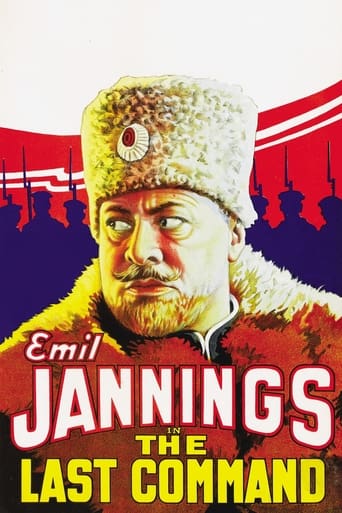
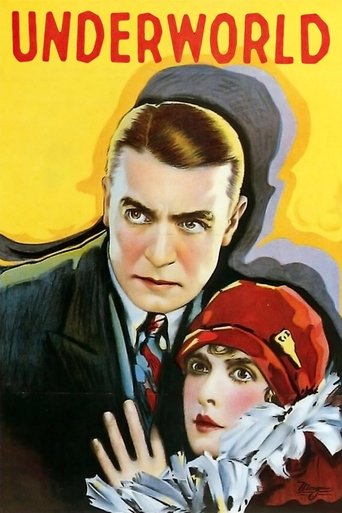
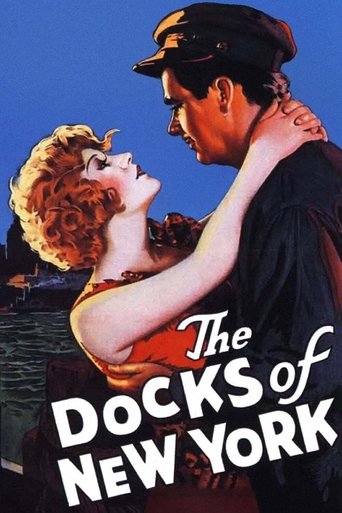
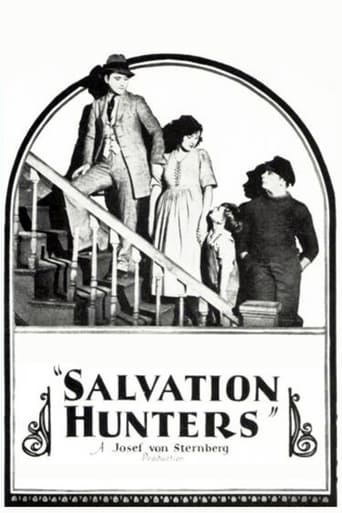
Josef von Sternberg, born Jonas Sternberg, was visually distinctive and influential directors of the silent and early sound era. Born in Vienna to a Jewish family, he emigrated to America as a child and began his film career in the early 1920s after serving in World War I. His breakthrough came with 'The Salvation Hunters' (1925), a low-budget film that caught the attention of Paramount executives and launched his Hollywood career. Throughout the late 1920s, he directed several acclaimed silent films including 'Underworld' (1927), which helped establish the gangster genre, and 'The Last Command' (1928), which earned Emil Jannings the first Academy Award for Best Actor. His most famous period began when he discovered Marlene Dietrich, directing her in 'The Blue Angel' (1930) in Germany before bringing her to Hollywood for a series of seven films that defined her star persona. Known for his meticulous visual style, elaborate lighting techniques, and psychological depth, von Sternberg's films explored themes of power, obsession, and spiritual degradation. After his partnership with Dietrich ended in 1935, his career declined, though he continued directing through the 1950s. He authored an influential autobiography 'Fun in a Chinese Laundry' in 1965, cementing his reputation as one of cinema's great visual stylists and auteurs.
The Craft
On Screen
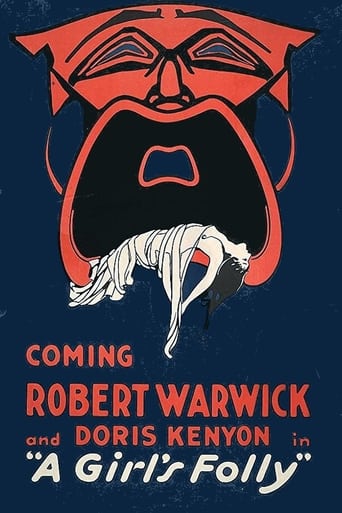
As an actor, von Sternberg appeared primarily in his very early career before transitioning fully to directing. His acting was minimal and functional, serving mainly as a stepping stone to understanding the filmmaking process. He appeared in minor roles in films like 'A Girl's Folly' (1917), but his true talents lay behind the camera rather than in front of it.
Behind the Camera
Von Sternberg excelled in visual composition and atmospheric storytelling, known for his meticulous control over every aspect of filmmaking. His directing style featured dramatic chiaroscuro lighting, elaborate and often exotic set designs, and carefully choreographed camera movements. He was obsessed with visual texture, using smoke, veils, and filters to create dreamlike, painterly images. His films explored psychological themes of power dynamics, spiritual degradation, and the destructive nature of obsession. He was a notorious perfectionist who demanded complete control, often clashing with studios and stars but creating some of cinema's most visually stunning works.
Milestones
- Directed debut feature 'The Salvation Hunters' (1925) which established his reputation
- Created gangster film 'Underworld' (1927)
- Directed 'The Last Command' (1928) which won Emil Jannings the first Best Actor Oscar
- Discovered and launched Marlene Dietrich's international career with 'The Blue Angel' (1930)
- Created seven iconic films with Dietrich including 'Morocco' and 'Shanghai Express'
- Pioneered visual techniques that influenced film noir and modern cinematography
- Published influential autobiography 'Fun in a Chinese Laundry' (1965)
Best Known For
Iconic Roles
Must-See Films
Accolades
Won
- Academy Award nomination for Best Director for 'The Last Command' (1928)
- Academy Award nomination for Best Director for 'Morocco' (1930)
- Venice Film Festival Mussolini Cup for 'The Scarlet Empress' (1934)
- New York Film Critics Circle Award for Best Director for 'The Shanghai Gesture' (1941)
Nominated
- Academy Award nomination for Best Director for 'The Last Command' (1928)
- Academy Award nomination for Best Director for 'Morocco' (1930)
- Venice Film Festival Golden Lion nomination for 'I, Claudius' (uncompleted)
Special Recognition
- Hollywood Walk of Fame star at 6401 Hollywood Blvd
- National Film Registry inclusion for 'The Blue Angel' (preserved in 1993)
- National Film Registry inclusion for 'Underworld' (preserved in 2008)
- Lincoln Center Film Society retrospective (1971)
- Cannes Film Festival retrospective tribute (1965)
Working Relationships
Worked Often With
Studios
Why They Matter
Impact on Culture
Josef von Sternberg revolutionized visual storytelling in cinema, establishing the director as the primary creative force in filmmaking. His innovative lighting techniques and visual compositions directly influenced the film noir movement of the 1940s and 1950s. Through 'Underworld,' he helped establish the gangster film genre, creating archetypes that would dominate American cinema for decades. His creation of Marlene Dietrich's screen persona introduced a new type of sophisticated, sexually ambiguous female character to Hollywood. His films' exotic settings and Orientalist imagery reflected and shaped Western fantasies about the East. His emphasis on visual over narrative storytelling influenced the European art cinema movement of the 1960s.
Lasting Legacy
Von Sternberg's legacy as one of cinema's greatest visual stylists remains undisputed among film scholars and historians. His techniques in lighting, composition, and visual storytelling influenced generations of filmmakers including Orson Welles, Ingmar Bergman, and Alfred Hitchcock. His seven-film collaboration with Dietrich created some of the most iconic images in cinema history. His autobiography 'Fun in a Chinese Laundry' remains a classic of film literature, offering insight into the creative process of one of cinema's true auteurs. Film schools continue to study his work for its masterful visual techniques and psychological depth. Despite his career decline after the Dietrich period, his influence on cinematography and visual style continues to resonate in contemporary filmmaking.
Who They Inspired
Von Sternberg's influence on cinema extends far beyond his own filmography. His mastery of chiaroscuro lighting directly influenced the visual style of film noir, with directors like John Huston and Billy Wilder adopting his techniques. Orson Welles cited von Sternberg as a major influence, particularly for his use of deep focus and dramatic lighting. European auteurs including Ingmar Bergman and Michelangelo Antonioni studied his psychological approach to character development. His work with Dietrich created a template for director-star collaborations that influenced Alfred Hitchcock's work with Grace Kelly and Hitchcock's later collaborations with Tippi Hedren. Contemporary directors like Wong Kar-wai and Peter Greenaway reference his visual style in their own work.
Off Screen
Von Sternberg had a complex personal life marked by three marriages and numerous romantic entanglements. His most famous relationship was with Marlene Dietrich, though they never married; their professional and personal partnership was intense and ultimately destructive. He was known for his difficult personality and perfectionism, which affected both his professional and personal relationships. Despite his success, he often felt misunderstood by Hollywood and spent his later years in relative obscurity, writing and teaching. He died of a heart attack in Los Angeles at age 75.
Education
Self-taught filmmaker; attended Jamaica High School in New York but no formal film education
Family
- Riza Royce (1926-1930)
- Lilian Abrams (1933-1935)
- Nora Von Sternberg (1944-1947)
Did You Know?
- Changed his name from Jonas to Josef to sound more aristocratic and European
- Discovered Marlene Dietrich after seeing her in a German play and immediately cast her in 'The Blue Angel'
- Was notoriously difficult to work with, often clashing with producers and stars over creative control
- His films were initially more popular in Europe than in his adopted America
- 'The Blue Angel' was simultaneously filmed in German and English versions, a rare practice at the time
- He was a self-taught filmmaker who never attended film school or received formal training
- His visual style was heavily influenced by German Expressionism and his Viennese cultural background
- Often included elements of exoticism and Orientalism in his films, creating elaborate fantasy worlds
- His relationship with Dietrich was both professional and deeply personal, though they never married
- After their partnership ended in 1935, his career never regained its former critical or commercial heights
- His uncompleted film 'I, Claudius' (1937) has become one of Hollywood's legendary lost projects
- Served in the U.S. Army during World War I, which influenced his later themes of power and degradation
- Was known to smoke up to 100 cigarettes a day while working on set
- His film sets were so elaborate and expensive that they often caused budget overruns and studio conflicts
In Their Own Words
I am a believer in the complete domination of the director. The film is the director's.
The camera is my pencil, and the film is my paper.
I make pictures for myself, and if the public likes them, that's fine. If they don't, that's fine too.
Light is the most important element in the cinema. It is the soul of the picture.
Every film I make is a confession. I put myself completely into my work.
The director must be a tyrant, a poet, and a psychologist all in one.
I don't make films to entertain people. I make them to enlighten them, whether they like it or not.
Frequently Asked Questions
Who was Josef von Sternberg?
Austrian-American on YTB.my. Born Jonas Sternberg in Vienna, he emigrated to America and rose to fame directing films like 'Underworld' and 'The Blue Angel.' He is best known for his seven-film collaboration with Marlene Dietrich and his revolutionary visual techniques that influenced film noir and modern cinematography.
What films is Josef von Sternberg best known for?
Titles linked here include The Blue Angel (1930), Morocco (1930).
When was Josef von Sternberg born and when did he die?
Born May 29, 1894; died December 22, 1969.
What awards did Josef von Sternberg win?
Von Sternberg received Academy Award nominations for Best Director for 'The Last Command' (1928) and 'Morocco' (1930). He won the Venice Film Festival's Mussolini Cup for 'The Scarlet Empress' (1934) and the New York Film Critics Circle Award for Best Director for 'The Shanghai Gesture' (1941). Several of his films have been preserved in the National Film Registry.
What was Josef von Sternberg's directing style?
Von Sternberg's directing style was characterized by meticulous visual compositions, dramatic chiaroscuro lighting, and elaborate set designs. He excelled in atmospheric storytelling, using smoke, veils, and filters to create painterly, dreamlike images. His films explored psychological themes of power, obsession, and spiritual degradation, and he demanded complete creative control over every aspect of production.