

Thunderbolt
"Facing and ruin"
Keys: Space play/pause · ←/→ 10s · F fullscreen · M mute · </> speed
About this film
A criminal known as Thunderbolt is imprisoned and facing execution. Into the next cell is placed Bob Moran, an innocent man who has been framed and who is in love with Thunderbolt's girl, without knowing of their relationship. Thunderbolt hopes to stave off the execution long enough to kill young Moran for romancing his girl.
Cast & crew
More films like this
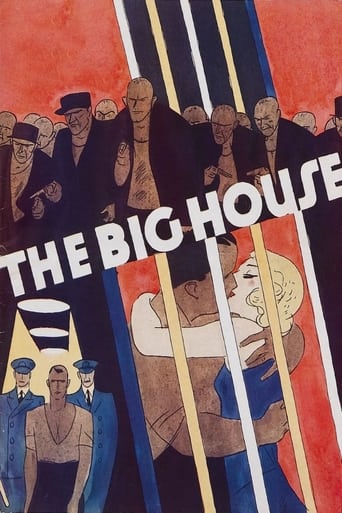
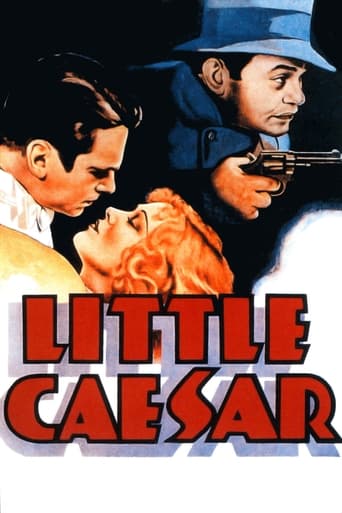
More Crime films
View all →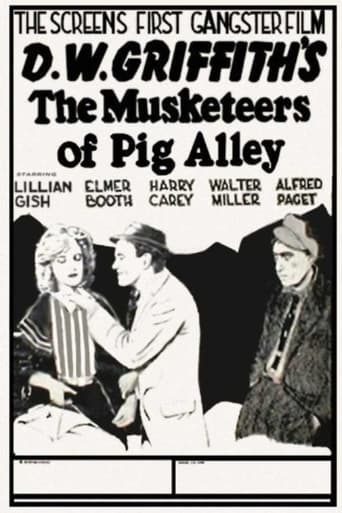


More from Josef von Sternberg
View all →

More about this film
About the production
Release dateMay 4, 1929
Box officeThe film was moderately successful, performing well in major cities but not achieving blockbuster status during the Depression era
ProductionParamount Pictures
Filmed inParamount Studios, Hollywood, California
Thunderbolt was filmed during the challenging transition from silent to sound cinema, requiring the production to create both silent and sound versions. Director Josef von Sternberg, known for his meticulous visual style, had to adapt his techniques to accommodate the new sound technology while maintaining his artistic vision. The prison sequences were filmed on elaborate sets designed to maximize the claustrophobic atmosphere, with special attention to acoustics for the sound version. George Bancroft, who had worked with von Sternberg before, performed his own stunts during the intense prison fight scenes.
Themes
Jealousy and possessive loveJustice versus corruptionRedemption and moral transformationPower dynamics within institutional settingsThe psychological effects of impending death
Themes & topics
prisonexecutiongangsterjealousylove triangledeath rowelectric chairrevengeinnocencecorruptionbetrayalredemptioncrimedramapsychological thriller
Historical background
Made in its country of production around 1929, Thunderbolt belongs to the late silent period. Its story of a criminal known as thunderbolt is imprisoned and facing execution spoke to audiences of the day through familiar genres and topical settings.
Why this film matters
Archivists and historians still cite Thunderbolt when tracing how the late silent period filmmakers staged criminal and known on screen.
Making of
The production of Thunderbolt was fraught with challenges typical of the early sound era. Director Josef von Sternberg, renowned for his visual mastery in silent films, had to completely rethink his approach to accommodate sound recording. The studio insisted on both silent and sound versions being shot simultaneously, essentially requiring two productions. Von Sternberg fought with studio executives over artistic control, particularly regarding the use of sound effects and dialogue. George Bancroft, playing the intimidating Thunderbolt, reportedly stayed in character throughout filming, intimidating crew members and extras. The prison sets were designed with removable walls to accommodate the bulky sound equipment of the era. Fay Wray and Richard Arlen had to undergo extensive voice coaching for their dialogue scenes, as early sound recording was unforgiving of vocal imperfections. The electric chair scene required special effects that were groundbreaking for the time, using a combination of practical effects and camera tricks to create the illusion of electrocution without endangering the actors.
What critics said
Reviews from 1929 weighed Thunderbolt on pacing, performance, and novelty. Later criticism reads its emphasis on criminal, known, thunderbolt through modern standards of craft and representation.
Did you know?
- Thunderbolt was released in both silent and sound versions during the industry's transition period, with the sound version featuring synchronized dialogue and sound effects
- George Bancroft won the Academy Award for Best Actor for his performance, though it was technically for his body of work that year including
- Director Josef von Sternberg originally wanted Marlene Dietrich for the female lead, but Paramount insisted on Fay Wray, who was under contract
- The prison cell scenes were filmed with real microphones hidden in props, a revolutionary technique for early sound recording
- The film's success helped establish the gangster film genre, which would flourish in the early 1930s with films like Little Caesar and The Public Enemy
- Thunderbolt was one of the first films to use sound for psychological tension rather than just musical accompaniment
- The electric chair execution sequence was so realistic that it caused several audience members to faint during early screenings
- Fay Wray would later become famous for her role in King Kong (1933), but considered Thunderbolt one of her most challenging roles
- The film's original title was 'The Murderer' but was changed to Thunderbolt to emphasize Bancroft's character nickname
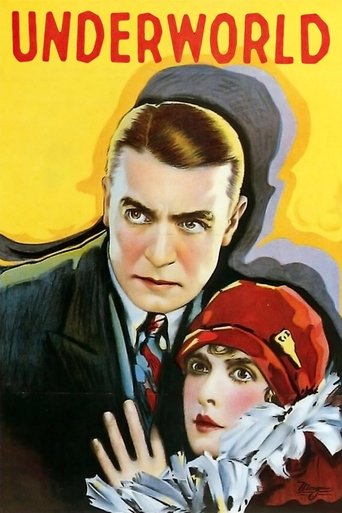
- Von Sternberg and Bancroft had previously collaborated on Underworld (1927), which helped establish the gangster film genre
Awards & recognition
- Academy Award for Best Writing (Original Story) - Jules Furthman
- Academy Award for Best Actor - George Bancroft (honorary, for body of work including Thunderbolt)
Visual style
The cinematography of Thunderbolt, handled by Harold Rosson, the visual sophistication of late silent cinema adapting to sound requirements. Rosson employed dramatic low-key lighting that would later influence film noir, particularly in the prison sequences where shadows create a sense of confinement and menace. The camera work is more restrained than typical silent films, as the need to accommodate sound recording equipment limited camera movement, but von Sternberg and Rosson turned this limitation into a strength, creating a more intense, claustrophobic visual style. The film features striking compositions that emphasize power dynamics, with Thunderbolt often shot from low angles to emphasize his dominance, while Bob is frequently shown in vulnerable positions. The electric chair sequence uses innovative lighting effects to simulate electricity without revealing the technical tricks. Despite the technical constraints of early sound filming, the cinematography maintains von Sternberg's characteristic visual poetry, with carefully composed frames that tell the story through images as much as through dialogue.
Innovations
Thunderbolt pioneered several technical innovations in early sound cinema. The production developed new microphone placement techniques, hiding recording devices in props and set pieces to allow for more natural actor movement and positioning. The film experimented with post-production sound mixing, layering dialogue, music, and effects to create a more complex auditory experience than typical early talkies. The prison sequences required innovative sound design to create the illusion of a large facility while recording on studio sets. The electric chair scene featured groundbreaking sound effects that simulated electrical discharge using a combination of mechanical devices and audio manipulation. The production also developed new methods for synchronizing sound with picture during editing, allowing for more precise timing of audio cues with visual elements. These technical achievements contributed to the film's reputation as among the leading sophisticated early sound productions and influenced subsequent developments in film sound technology.
Music
The soundtrack of Thunderbolt represents a significant achievement in early sound cinema. The musical score, composed by John Leipold, was one of the first to integrate music with diegetic sound in a sophisticated manner. Rather than simply providing background music, the score actively participates in the storytelling, with themes associated with each character that evolve throughout the film. The prison environment is brought to life through carefully crafted sound effects - the clanging of cell doors, the echoing footsteps in corridors, and the distant shouts of other prisoners create an immersive auditory experience. The film uses silence strategically, particularly in moments of tension, demonstrating an early understanding of how the absence of sound could be as powerful as its presence. The dialogue recording, while limited by early microphone technology, captures the raw emotion of the performances, with Bancroft's voice conveying menace and vulnerability in equal measure. The electric chair sequence features groundbreaking sound design that uses both musical and technical elements to create a terrifying auditory experience.
Famous quotes
Thunderbolt: 'They call me Thunderbolt because when I strike, it's like lightning from a clear sky.'
Thunderbolt: 'In here, we're all dead men. Some just don't know it yet.'
Ritzy: 'You can't own people, Thunderbolt. Love doesn't work that way.'
Bob: 'I may die innocent, but I won't live guilty.'
Thunderbolt: 'The only thing worse than dying is knowing she'll be with you when I'm gone.'
Warden: 'Justice isn't about what you deserve. It's about what the system demands.'
Thunderbolt: 'In this place, hope is the cruelest torture of all.'
Memorable scenes
- The opening sequence where Thunderbolt is captured in a dramatic police raid, showcasing von Sternberg's visual style and establishing the character's menacing presence
- The prison yard confrontation where Thunderbolt first learns of Bob's relationship with Ritzy, building tension through subtle glances and positioning
- The electric chair preparation scene, which uses sound design and lighting to create unbearable tension as Thunderbolt faces his execution
- The cell block sequence where Thunderbolt manipulates other inmates to isolate and terrorize Bob, demonstrating his power even in confinement
- The final confrontation between Thunderbolt and Bob, where both men face their mortality and find unexpected understanding
- Ritzy's desperate attempts to prove Bob's innocence from outside the prison, creating parallel action that heightens the drama
What audiences thought
Thunderbolt performed moderately well at the box office, particularly in urban areas where audiences were eager for sophisticated sound films. The film's adult themes and intense violence limited its appeal in smaller markets, where more family-friendly fare was preferred. Contemporary audience reactions were strong, with many viewers reportedly being deeply affected by the prison sequences and the execution scene. The dual release strategy (silent and sound versions) helped maximize attendance, as theaters not yet equipped for sound could still show the film. In major cities, the sound version drew larger crowds, with audiences particularly impressed by the quality of the audio and its integration with the visual storytelling. Modern audiences rediscovering Thunderbolt through film festivals and classic cinema screenings often express surprise at its sophistication and power, with many noting how it transcends the limitations of early sound technology to deliver a compelling dramatic experience. The film has developed a cult following among enthusiasts of early sound cinema and gangster film aficionados.
Film connections
Influenced by
- Underworld (1927) - von Sternberg's earlier gangster film
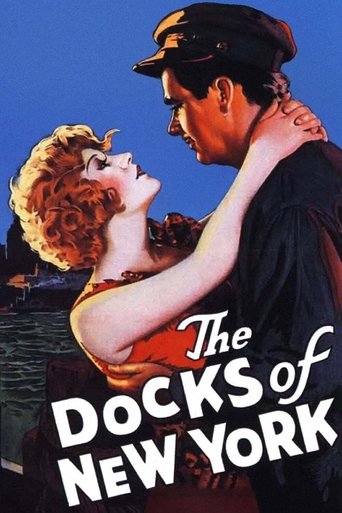
- The Docks of New York (1928) - another von Sternberg film exploring similar themes
- German Expressionist cinema - particularly in its use of shadows and psychological tension
- The Big House (1930) - influenced by Thunderbolt's prison setting
- Little Caesar (1931) - built on the gangster film foundation Thunderbolt helped establish
This film influenced
- The Big House (1930) - expanded on prison drama elements
- Scarface (1932) - developed the gangster genre Thunderbolt helped establish
- I Am a Fugitive from a Chain Gang (1932) - explored institutional corruption themes
- Brute Force (1947) - prison drama with similar psychological elements
- Cool Hand Luke (1967) - explored similar themes of institutional dehumanization
- The Shawshank Redemption (1994) - prison drama with themes of hope and redemption
Film restoration
Thunderbolt is preserved in the archives of major film institutions including the Library of Congress and the UCLA Film and Television Archive. Both the silent and sound versions have survived, though the sound version required significant restoration work due to deterioration of the early sound-on-disc recordings. In 2018, The Criterion Collection released a restored version on Blu-ray, featuring both versions of the film and extensive supplemental materials. The restoration process involved combining elements from multiple surviving prints to create the most complete version possible. The film is considered to be in good preservation status, with no risk of being lost, though some minor scenes remain missing from both versions. The restoration has been praised for its clarity and faithfulness to the original theatrical presentation.
Where to watch
- The Criterion Collection Blu-ray release (includes both silent and sound versions)
- Streaming on The Criterion Channel
- Available for digital purchase on Amazon Prime Video and iTunes
- Occasionally screened at film festivals and classic cinema venues
- Accessible through some university film archives and library collections
- Available on DVD through Kino Lorber Classics