
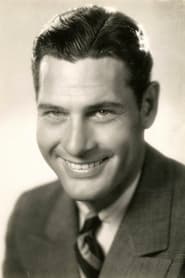
Richard Arlen
Actor
Born: September 1, 1898 in Charlottesville, Virginia, USA Died: March 28, 1976 Active: 1924-1966 Birth Name: Cornelius Richard Van Mattimore
Films
8 films
About Richard Arlen
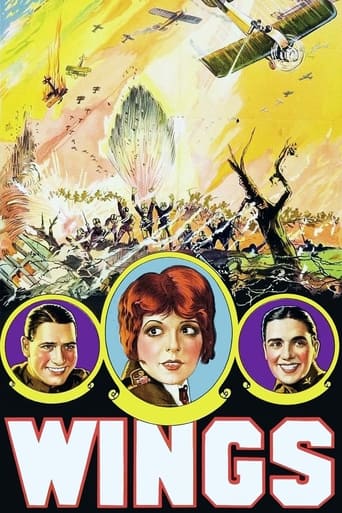
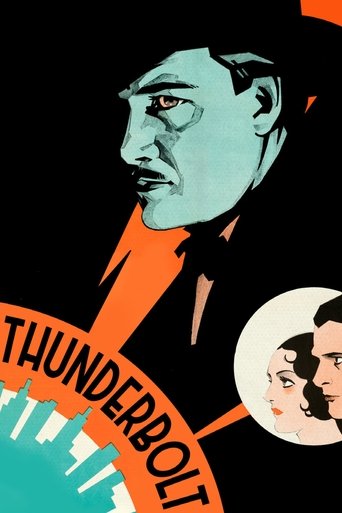
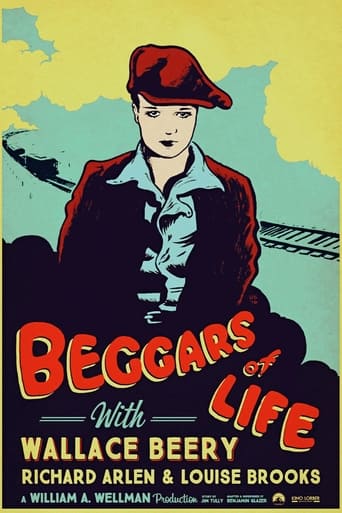
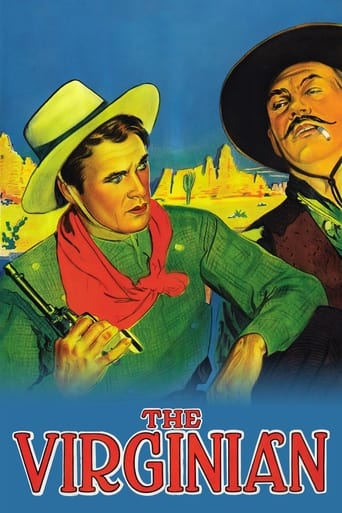
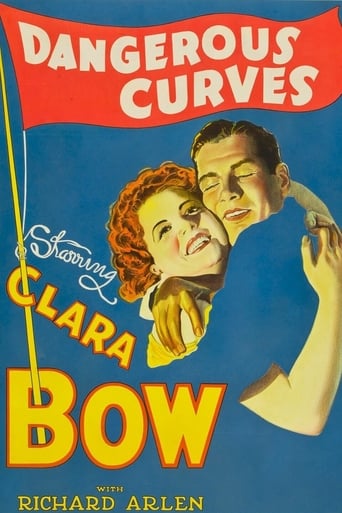
Richard Arlen, born Cornelius Richard Van Mattimore, was a leading man of Hollywood's silent and early sound era who rose to prominence with his performance in the Academy Award-winning film 'Wings' (1927). After serving as a pilot in the Royal Canadian Flying Corps during World War I, his aviation experience helped him secure his breakthrough role as the cocky pilot in 'Wings', which became the first film to win the Academy Award for Best Picture. Throughout the late 1920s and 1930s, Arlen established himself as a reliable and popular leading man, appearing in over 140 films including notable works like 'Beggars of Life' (1928) with Louise Brooks, 'Thunderbolt' (1929), and 'The Virginian' (1929). He successfully navigated the transition from silent films to talkies, though his career gradually shifted from A-list productions to B-movies and serials by the 1940s. Arlen was known for his athletic build, rugged good looks, and naturalistic acting style that made him particularly effective in adventure and western films. His nearly three decades, with his final film appearances coming in the mid-1960s, though his most significant contributions to cinema came during the Golden Age of Hollywood. Despite never achieving the status of some contemporaries, Arlen remained a respected character actor and beloved figure among classic film enthusiasts until his death in 1976.
The Craft
On Screen
Richard Arlen was known for his naturalistic and understated acting style, particularly effective in conveying masculine vulnerability beneath his rugged exterior. His performances were characterized by a quiet intensity and athletic physicality that made him believable in action and adventure roles. Unlike many silent era actors who struggled with the transition to sound, Arlen's natural screen presence and clear, resonant voice allowed him to maintain his leading man status. He had a particular talent for portraying complex heroes who balanced toughness with sensitivity, making him especially effective in war films and westerns. His background as a real pilot lent authenticity to his aviation roles, while his athletic build and natural charisma made him a convincing romantic lead.
Milestones
- Breakthrough role in 'Wings' (1927), first Best Picture Oscar winner
- Successful transition from silent films to talkies
- Leading man status at Paramount Pictures in late 1920s
- Memorable performance in 'Beggars of Life' (1928) opposite Louise Brooks
- Starred in early sound Western 'The Virginian' (1929)
- Appeared in over 140 films throughout his career
Best Known For
Iconic Roles
Must-See Films
Accolades
Won
- Photoplay Medal of Honor for 'Wings' (1927)
Special Recognition
- Star on Hollywood Walk of Fame (located at 1701 Vine Street)
- Wings (1927) inducted into National Film Registry
Working Relationships
Worked Often With
Studios
Why They Matter
Impact on Culture
Richard Arlen played a significant role in Hollywood's transition from silent films to talkies, serving as a bridge between the two eras with his successful career spanning both periods. His performance in 'Wings' helped establish the aviation film as a popular genre and contributed to the film's historic win as the first Best Picture Oscar winner. Arlen represented the ideal masculine hero of his era - athletic, brave, yet emotionally accessible - helping to define the leading man archetype for adventure films of the late 1920s and 1930s. His natural acting style influenced how male leads approached the new medium of sound film, demonstrating that subtlety and authenticity could be more effective than the exaggerated gestures common in silent cinema. Though never reaching the legendary status of some contemporaries, Arlen's consistent presence in popular films of his era made him a recognizable and respected figure during Hollywood's Golden Age.
Lasting Legacy
Richard Arlen's legacy lies primarily in his contribution to early Hollywood cinema during a transformative period in film history. His role in 'Wings' ensures his place in cinema history as part of the first Best Picture winner, while his extensive filmography provides a valuable record of popular entertainment from the silent and early sound eras. Arlen is remembered by film historians and classic cinema enthusiasts as a reliable leading man who embodied the masculine ideals of his time and successfully navigated the technical and artistic challenges of the sound revolution. His work in westerns and adventure films helped establish popular genres that would dominate Hollywood for decades. Though largely forgotten by mainstream audiences, Arlen remains an important figure in the study of Hollywood's Golden Age, representing the journeyman actor who contributed significantly to cinema's development without achieving superstar status.
Who They Inspired
Richard Arlen influenced subsequent generations of actors through his naturalistic approach to film acting, particularly in demonstrating how to adapt silent film techniques to sound cinema. His successful transition from silent to talkie films provided a model for other actors facing the same challenge, showing that authentic performance could transcend the limitations of either medium. Arlen's work in aviation films influenced how subsequent actors approached roles requiring technical authenticity, with his real flying experience setting a standard for method-like preparation. His portrayal of complex, emotionally accessible male characters helped expand the possibilities for leading men in Hollywood, moving beyond the simple hero archetype to more nuanced performances. While not as widely recognized as some contemporaries, Arlen's consistent professionalism and adaptability influenced industry standards for actor reliability and career longevity.
Off Screen
Richard Arlen was married three times throughout his life, with his most notable marriage being to fellow silent film actress Jobyna Ralston from 1927 to 1945. He met Ralston while working at Paramount Pictures, and their marriage lasted nearly two decades before ending in divorce. After Ralston, he married Margaret Kinsella in 1946, and following her death, he married Jane Grein in 1969, who survived him. Arlen had one son, Richard Arlen Jr., from his marriage to Jobyna Ralston. Despite his Hollywood success, Arlen was known for being relatively private about his personal life and maintained a reputation as a reliable, professional actor who avoided the typical Hollywood scandals of his era.
Education
Attended Staunton Military Academy in Virginia before serving in World War I
Family
- Jobyna Ralston (1927-1945)
- Margaret Kinsella (1946-1967)
- Jane Grein (1969-1976)
Did You Know?
- His real name was Cornelius Richard Van Mattimore, which he shortened for his film career
- He served as a pilot in the Royal Canadian Flying Corps during World War I before becoming an actor
- He got his breakthrough role in 'Wings' partly because of his real flying experience
- He appeared in the first film to win the Academy Award for Best Picture ('Wings', 1927)
- He was married to silent film star Jobyna Ralston, who was previously Harold Lloyd's leading lady
- He made over 140 films during his career but was never nominated for an Academy Award personally
- He successfully transitioned from A-list leading man to B-movie star as his career progressed
- He worked with director William A. Wellman on multiple occasions, including 'Wings' and 'The Last Flight'
- He was one of the few silent era stars who successfully adapted to sound films without significant career interruption
- His son, Richard Arlen Jr., also briefly worked in Hollywood as an actor
- He received a star on the Hollywood Walk of Fame at 1701 Vine Street
- Despite his rugged screen image, he was known as a gentle and soft-spoken person in real life
In Their Own Words
On his aviation experience: 'I learned to fly before I learned to act, and I think the flying came easier.'
On the transition to sound: 'Talkies didn't scare me. I'd been talking all my life, but I hadn't been acting all my life.'
On 'Wings': 'We didn't know we were making history. We were just trying to make a good picture and not get killed in the process.'
On his career longevity: 'In this business, you're only as good as your last picture. I've been lucky to have a lot of good pictures.'
Frequently Asked Questions
Who was Richard Arlen?
Prominent American with credits in this catalog. He appeared in over 140 films throughout his career, specializing in adventure films, westerns, and aviation movies.
What films is Richard Arlen best known for?
Titles linked here include Wings (1927), Beggars of Life (1928).
When was Richard Arlen born and when did he die?
Born September 1, 1898; died March 28, 1976.
What awards did Richard Arlen win?
What was Richard Arlen's acting style?
Richard Arlen was known for his naturalistic and understated acting style, characterized by quiet intensity and athletic physicality. His performances balanced toughness with emotional vulnerability, making him particularly effective in adventure and western films, and his authentic screen presence helped him successfully transition from silent films to talkies.
How did Richard Arlen get his start in films?
Richard Arlen got his start in films after serving as a pilot in the Royal Canadian Flying Corps during World War I. His aviation experience helped him land his breakthrough role in 'Wings' (1927), which was directed by William A. Wellman and launched his career as a leading man.
Was Richard Arlen married?
Richard Arlen was married three times. His most notable marriage was to silent film actress Jobyna Ralston from 1927 to 1945. He later married Margaret Kinsella (1946-1967) and Jane Grein (1969-1976). He had one son, Richard Arlen Jr., with Ralston.
What was Richard Arlen's contribution to early cinema?
Richard Arlen contributed significantly to early cinema by successfully bridging the silent and sound eras, helping establish the aviation film genre, and representing the masculine ideal of the late 1920s and 1930s. His work in 'Wings' and other films helped define popular genres and acting styles during Hollywood's transition to sound.