

That's My Baby!
"Phineas Moody suffers severe."
Keys: Space play/pause · ←/→ 10s · F fullscreen · M mute · </> speed
About this film
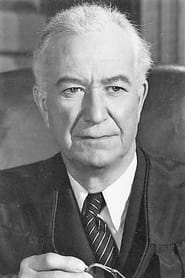
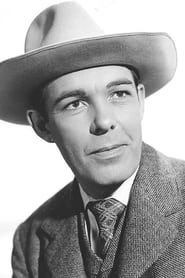
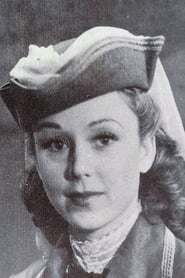
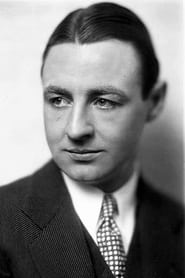
A love triangle occurs between the publisher's daughter Betty Moody. comic book artist Tim Jones, and the company's wily manipulative manager Hilton Payne. In addition, Betty's dad, Phineas Moody suffers from severe melancholy; and an emergency cure of laughter is required to save his health.
Cast & crew
More Comedy films
View all →






More from William Berke
View all →
More about this film
About the production
Release dateSeptember 18, 1944
Box officeUnknown (modest returns typical of PRC releases)
ProductionProducers Releasing Corporation (PRC)
Filmed inHollywood, California
Filmed during the height of World War II, this production faced typical wartime constraints including limited resources, film stock rationing, and several cast and crew members potentially serving in the military. The film was shot quickly on a tight schedule, typical of PRC's business model of producing efficient, low-budget features. The comic book elements in the story were particularly timely, as comics were experiencing a massive surge in popularity during the 1940s.
Themes
Healing power of laughterLove trianglesComic book cultureFamily relationshipsProfessional ambition
Themes & topics
comic book artistpublisher's daughtermelancholylaughter therapylove trianglemanipulative managerwartime entertainmentmusical numbersromantic comedyB-movie
Historical background
By 1944, competing studios crowded weekly bills, and That's My Baby! had to win attention alongside newsreels and shorts.
Why this film matters
For historians, That's My Baby! documents what typical program fare looked like in 1944, not only marquee blockbusters.
Making of
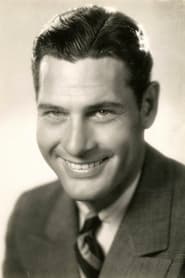
The production of 'That's My Baby!' was characteristic of PRC's efficient assembly-line approach to filmmaking. Director William Berke was known for his ability to complete films quickly and under budget, often shooting scenes in single takes to save time and resources. The cast, while not A-list stars by 1944, brought considerable experience to the project. Richard Arlen, a former silent film star who successfully transitioned to talkies, was reportedly a professional on set who knew his lines and hit his marks efficiently. Ellen Drew, who had worked with major directors like Preston Sturges, brought polish to her performance despite the limited production values. The comic book elements required some creative set design and props, as the film industry was still figuring out how to portray the emerging art form on screen. The musical numbers were choreographed simply but effectively, working within the film's budgetary constraints while still providing the entertainment value audiences expected.
What critics said
Press files from 1944 rarely give That's My Baby! extended review space; mentions appear in roundup columns.
Did you know?
- This was one of many films directed by William Berke in 1944 alone, as he was known for his prolific output, often directing 8-10 films per year.
- Richard Arlen, though a major star in the 1920s and early 1930s, was by this time working primarily in B-movies for smaller studios like PRC.
- The film's premise about using comedy as medicine reflected real wartime efforts to maintain public morale through entertainment.
- PRC (Producers Releasing Corporation) was one of the smaller Hollywood studios often referred to as 'Poverty Row' due to their minimal budgets.
- The comic book industry was experiencing its golden age in 1944, making the film's setting particularly contemporary and relevant to audiences.
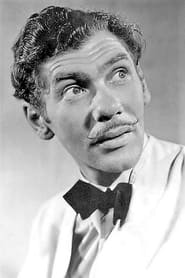
- Leonid Kinskey, who plays the antagonist, was a Russian-born actor known for his distinctive accent and often played comic relief roles in major films.
- Ellen Drew had previously been a contract player at Paramount Pictures but by 1944 was working freelance at various studios.
- The film's short runtime of 64 minutes was typical of PRC productions, which were designed to fill out double bills as the second feature.
- Despite its low budget, the film managed to include several musical numbers, showcasing the era's love for musical entertainment.
- The film was released just a few months before D-Day, when American audiences were hungry for light-hearted entertainment to escape wartime tensions.
Visual style
The cinematography for 'That's My Baby!' was handled by Jack Greenhalgh, a prolific cinematographer who worked extensively on PRC productions. Given the studio's budget constraints, the visual approach was straightforward and functional rather than innovative. Greenhalgh employed standard three-point lighting techniques to ensure proper exposure while minimizing setup time. The camera work was primarily static with basic pans and follows, avoiding complex movements that would require additional time and equipment. The comic book elements provided opportunities for slightly more stylized shots, including close-ups of artwork and potentially some subjective camera work to simulate the experience of reading comics. The musical numbers would have featured more dynamic lighting to enhance their visual appeal. While not visually groundbreaking, the cinematography served the story effectively and maintained visual consistency throughout the production, reflecting the professional competence of journeyman filmmakers working within the limitations of B-movie production.
Innovations
As a low-budget B-movie from 1944, 'That's My Baby!' did not feature significant technical innovations or groundbreaking achievements. The film utilized standard production techniques and equipment common to Hollywood studios of the era, adapted to PRC's budgetary constraints. The technical aspects were characterized by efficiency and reliability rather than innovation. The sound recording would have used standard optical mono tracks, while the cinematography employed typical 35mm black and white film stock. The film's most notable technical challenge may have been creating convincing comic book artwork and props within limited means, requiring creative solutions from the art department. The musical numbers would have been recorded using standard practices of the period, likely with pre-recording of vocals and post-production synchronization. While not technically ambitious, the film represents the competent application of existing film technology to produce entertainment efficiently, reflecting the industry's adaptation to wartime resource limitations while maintaining production quality standards.
Music
The musical elements of 'That's My Baby!' were typical of 1944 B-movie musical productions, featuring a mix of original songs and standard musical numbers designed to showcase the talents of the cast. The score was likely composed by PRC's regular musical director, though specific credit details are scarce. The film's soundtrack would have included upbeat, optimistic numbers that reinforced the theme of laughter as medicine, along with romantic ballads for the love story scenes. Given Leonid Kinskey's presence in the cast, there may have been comedic musical numbers that utilized his distinctive persona. The recording techniques of 1944 meant the soundtrack was mono, with post-production dubbing common for musical numbers to ensure audio quality. The background music would have followed the conventions of the era, using leitmotifs for different characters and emotional cues to guide audience responses. While not a major musical production, the songs and score would have provided the expected entertainment value that 1940s audiences anticipated from films containing musical elements.
Famous quotes
Laughter is the best prescription for what ails you!
In the world of comic books, every problem has a solution - even in real life!
Sometimes the best medicine doesn't come in a bottle, but in a joke!
Love and laughter make the best team in any story!
Memorable scenes
- The sequence where Tim and his colleagues attempt to make the melancholy publisher laugh through increasingly elaborate comedic routines
- The romantic moment between Tim and Betty as they collaborate on comic book artwork
- The climactic scene where the manipulative manager's schemes are exposed through a comic book-style revelation
- Any musical numbers that combine comedy with the healing power of entertainment
What audiences thought
Audience reception for 'That's My Baby!' in 1944 was likely positive among its target demographic of moviegoers seeking light entertainment during wartime. As the second feature on double bills, the film would have been seen as a bonus rather than the main attraction, and its breezy 64-minute runtime would have been appreciated by audiences looking for undemanding fun. The combination of romance, comedy, and musical elements provided variety that appealed to broad tastes. The comic book setting would have resonated with younger audience members and reflected the widespread popularity of comics during this period. While the film didn't generate significant word-of-mouth or become a box office hit, it likely satisfied its purpose as reliable, entertaining filler material that kept customers coming back to theaters regularly. In the context of 1944's filmgoing culture, where many Americans attended movies multiple times per week, such modest but enjoyable films formed an important part of the overall cinema experience.
Film connections
Influenced by
- Typical romantic comedy structure of 1940s Hollywood
- Wartime morale-boosting films
- Comic book culture of the Golden Age
- B-movie production conventions
This film influenced
- Limited influence due to its status as a minor B-movie, but it contributed to the tradition of workplace romantic comedies and films about the entertainment industry
Film restoration
The preservation status of 'That's My Baby!' is uncertain, as is typical of many PRC productions from the 1940s. Many films from smaller studios of this era have been lost or exist only in poor-quality copies due to inadequate preservation efforts. However, some PRC films have survived through 16mm television prints and occasional film archive discoveries. The film may exist in the collection of major film archives or in private collector hands, but it is not widely available for viewing. Its survival would depend on whether PRC maintained good master copies or if television syndication in the 1950s helped preserve it through distribution prints. As with many B-movies of the period, restoration efforts have likely been limited due to the film's perceived cultural and commercial value.
Where to watch
- Currently, 'That's My Baby!' appears to be unavailable on major streaming platforms or through official DVD/Blu-ray releases. The film may occasionally appear on specialty channels that air rare classic films, or be available through film archive screenings. Some collector-to-collector trading communities may have copies, though these would be of varying quality. Film enthusiasts seeking to view this movie might need to contact film archives specializing in B-movies or PRC productions, or watch for rare television broadcasts on channels like TCM that occasionally obscure lesser-known films from their library.