
William Berke
Director
Born: July 2, 1903 in Milwaukee, Wisconsin, USA Died: June 17, 1951 Active: 1930s-1940s Birth Name: William A. Berke
Films
3 films
About William Berke
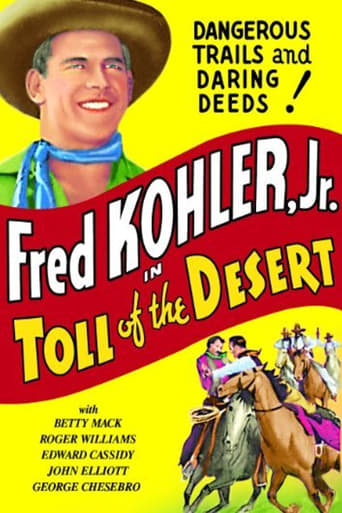
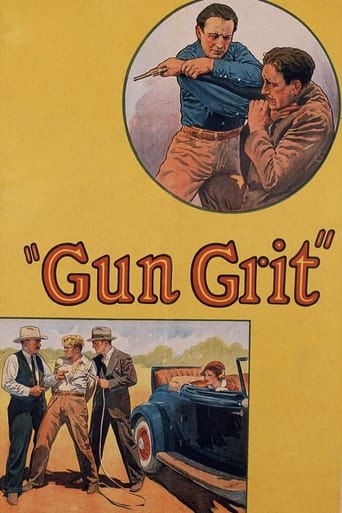
American film producer, director, and occasional writer: career stretched across the late silent era into the Golden Age of Hollywood, with his most active years coming during the 1930s and 1940s. He worked extensively in the realm of low-budget studio production and B-movie filmmaking, becoming especially associated with quick-turnaround westerns, action pictures, and efficient program fare for independent companies and Poverty Row studios. Berke built a reputation as a dependable craft filmmaker who could deliver films on tight schedules and modest budgets, a skill that made him valuable to producers seeking reliable commercial product rather than prestige productions. He directed films such as Toll of the Desert (1935), Gun Grit (1936), and That's My Baby! (1944), illustrating the range of his work from westerns to light comedy and musical entertainment. In addition to directing, he was active as a producer and helped shape the industrial side of minor studio filmmaking, where practicality, speed, and market awareness were essential. His career is representative of a large but often under-credited group of Hollywood craftsmen whose work sustained the studio system beyond its marquee names. Berke's legacy lies less in auteur notoriety than in his steady contribution to the popular cinema ecosystem that kept theaters supplied with dependable entertainment throughout the 1930s and 1940s.
The Craft
Behind the Camera
Berke's directing style was shaped by the demands of low-budget studio production: brisk pacing, economical staging, and an emphasis on delivering clear, crowd-pleasing storytelling within strict time and budget constraints. He was not known for ornate visual experimentation; instead, his films typically favored functional narrative clarity, fast shooting schedules, and reliable genre formulas that would satisfy theater owners and audiences alike. His work often relied on familiar western and action conventions, and he appears to have been especially adept at handling material that needed to be produced quickly and efficiently. In that sense, his style reflects the professional pragmatism of a seasoned studio craftsman rather than a signature-auteur approach.
Milestones
- Built a prolific career in low-budget Hollywood filmmaking as a director and producer
- Directed early sound-era westerns and action films for independent studios and smaller production units
- Worked on a wide range of commercial pictures including westerns, mysteries, comedies, and musical features
- Helped define the efficient, economical style of Poverty Row and B-picture production
- Directed Toll of the Desert (1935), one of the films associated with his early directing career
- Directed Gun Grit (1936), a title that reflects his association with western and action programming
- Directed That's My Baby! (1944), demonstrating his later movement into lighter entertainment and musical-comedy material
Best Known For
Must-See Films
Working Relationships
Worked Often With
Studios
Why They Matter
Impact on Culture
William Berke's cultural impact is tied to the infrastructure of popular cinema rather than to a single landmark masterpiece. He was part of the generation of filmmakers who supplied movie theaters with steady, economical entertainment at a time when double features and weekly program changes made volume as important as prestige. His westerns and action films helped maintain the popularity of genre storytelling in the 1930s and 1940s, especially in markets that depended on modestly budgeted films to fill out programs. Although his name is not widely known outside film scholarship and classic-cinema reference work, his career is an important example of the behind-the-scenes labor that sustained the studio era. Berke's films participated in the broad cultural circulation of American genre myths, especially the frontier western, which remained a durable part of national entertainment culture during his active years.
Lasting Legacy
Berke's legacy rests in his role as a consummate studio workhorse whose output helped define the practical side of B-picture production. He exemplifies the many directors and producers whose careers were essential to the commercial health of Hollywood but whose names rarely appeared above the title in popular memory. For historians of classic cinema, Berke is valuable because he illustrates how the industry functioned beyond its star system, particularly in the world of rapid production and genre specialization. His body of work remains a useful record of the craftsmanship, constraints, and industrial realities of independent and minor-studio filmmaking in mid-century America.
Who They Inspired
Berke influenced the broader tradition of efficient low-budget filmmaking by demonstrating how a director could remain productive across multiple genres while working under severe practical limitations. His approach supported the development of a reliable production model that later filmmakers in television, exploitation cinema, and independent genre film would also recognize: emphasize speed, clarity, and audience satisfaction over expense. While he is not typically cited as a major artistic influence on canonical auteurs, his career is influential in the industrial sense, showing how competent B-movie direction could keep popular genres viable and commercially useful. His films contribute to the historical understanding of how genre cinema was sustained by disciplined professionals working outside the major prestige tiers.
Off Screen
Information on William Berke's personal life is limited in commonly available classic-cinema references, and he is generally documented more thoroughly through his professional credits than through biographical accounts. He was born in Milwaukee, Wisconsin, and later became part of the Hollywood production system, but detailed public information about his family background, marriages, and private life is not widely preserved in standard film histories. Like many working directors and producers of the period, his career was largely defined by studio assignments and freelance production work rather than personal celebrity. He died relatively young in 1951, before the rise of modern historical scholarship could extensively record the lives of many B-picture craftsmen.
Education
No reliably documented formal education details are widely available in standard film references.
Did You Know?
- William Berke worked in both directing and producing, a common path for pragmatic Hollywood craftsmen in low-budget cinema.
- He was especially associated with westerns,.
- His career demonstrates how important B-movie directors were to the studio system even when they did not become household names.
- Berke's work reflects the rapid, efficiency-driven production culture of Poverty Row and independent film companies.
- He directed That's My Baby! in 1944, showing that his career extended beyond straight westerns into lighter entertainment.
- He was born in Milwaukee, Wisconsin, before establishing his career in Hollywood.
- He died in 1951, relatively early, which may have contributed to the limited preservation of personal biographical details about him.
- Many of his films were designed to serve as program pictures rather than prestige attractions, a defining feature of his professional niche.
Frequently Asked Questions
Who was William Berke?
American on YTB.my. He is best remembered for his work on low-budget westerns, action films, and other commercial program pictures that formed an important part of classic Hollywood exhibition.
What films is William Berke best known for?
Titles linked here include Toll of the Desert (1935), Gun Grit (1936).
When was William Berke born and when did he die?
Born July 2, 1903; died June 17, 1951.
What awards did William Berke win?
No major awards or major award nominations are widely documented for William Berke in standard classic-cinema references. His career is better understood through his body of work and his importance as a prolific studio craftsman.
What was William Berke's directing style?
Berke's directing style was practical, fast-moving, and geared toward economical production. He specialized in clear storytelling and efficient genre filmmaking, especially in westerns and other B-picture formats.
What was William Berke's legacy in film history?
His legacy lies in the industrial heart of Hollywood rather than in auteur fame. He represents the skilled directors and producers who kept low-budget genre cinema moving and supplied theaters with dependable entertainment throughout the studio era.