
Toll of the Desert
"1935 William A. Berke"
Keys: Space play/pause · ←/→ 10s · F fullscreen · M mute · </> speed
About this film
When his family is killed by Indians, a bitter cowboy turns into a ruthless hired gunman. Unbeknownst to him, his son had survived the attack, and is now a lawman. The son, not knowing that the killer is his father, is assigned to bring him to justice.
Cast & crew
More films like this

More Western films
View all →

More from William Berke
View all →
More about this film
About the production
Release dateOctober 15, 1935
Box officeUnknown
ProductionReliable Pictures Corporation
Filmed inCalifornia, USA
This was a typical Poverty Row western production, filmed quickly on a minimal budget to capitalize on the popularity of B-westerns during the 1930s. The film was shot in approximately one week, which was standard for productions of this type. Director William Berke was known for his efficiency in completing low-budget westerns on tight schedules.
Themes
Themes & topics
Historical background
Contemporary records classify Toll of the Desert (1935) as 1935 film by william a. berke, placing it within the studio-system peak and early sound decades.
Why this film matters
Toll of the Desert (1935) helps trace genre evolution, performer careers, and the material conditions of sound exhibition.
Making of
The production of 'Toll of the Desert' was typical of Poverty Row western filmmaking in the 1930s. The film was rushed through production in just a few days, with minimal takes and basic lighting setups. Director William Berke was known for his ability to complete films quickly and efficiently, a crucial skill for low-budget productions. The cast was comprised largely of character actors and B-movie regulars who could deliver performances without extensive rehearsal. The film likely utilized stock footage and recycled sets from other western productions to save costs. The Indian attack sequence was probably filmed with a small number of extras and clever camera angles to create the illusion of a larger conflict. Sound recording would have been basic, with dialogue recorded live on set and minimal post-production work.
What critics said
Trade and revival screenings have kept Toll of the Desert (1935) on the map for collectors and scholars rather than mass first-run promotion.
Did you know?
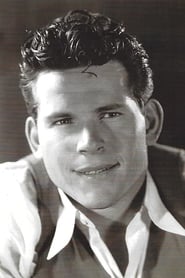
- This was one of Fred Kohler Jr.'s early starring roles, following in the footsteps of his famous father Fred Kohler Sr., who was a well-known villain in silent and early sound films.
- Director William Berke directed over 100 films in his career, mostly B-westerns and action pictures, becoming Prolific directors of the 1930s and 1940s.
- The film was produced by Reliable Pictures, a small studio specializing in low-budget westerns that operated from 1933 to 1937.
- Betty Mack, who played the female lead, was married to actor Roscoe Karns at the time and often appeared in B-movies during the mid-1930s.
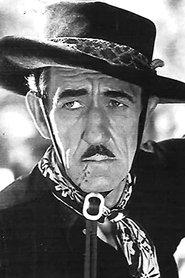
- Earl Dwire, who appeared in the supporting cast, was a character actor who appeared in over 250 films between 1921 and 1940, often in westerns.
- The film's plot bears similarities to later westerns that explored father-son conflicts, though this was likely coincidental given the formulaic nature of B-western plots.
- Like many films of this era, the portrayal of Native Americans reflects the stereotypical and often inaccurate depictions common in 1930s Hollywood westerns.
- The film is now in the public domain, which is why it can be found on various budget DVD releases and streaming platforms.
Visual style
The cinematography of 'Toll of the Desert' was typical of low-budget western productions of the mid-1930s. The film likely utilized basic lighting setups and static camera positions to save time and money. Outdoor scenes would have been shot on location or on studio backlots designed to resemble the American West. The cinematographer would have focused on clear, functional compositions that served the narrative without attempting artistic innovation. Action sequences, particularly the gunfights, would have been shot with straightforward coverage to ensure clarity for the audience. The black and white photography would have emphasized the stark contrasts between good and evil characters through lighting and framing, a common practice in westerns of this period.
Innovations
As a low-budget B-western, 'Toll of the Desert' did not feature any significant technical achievements or innovations. The film utilized standard filmmaking technology and techniques of the mid-1930s, including basic sound recording equipment and standard 35mm film stock. The production would have focused on efficiency and cost-effectiveness rather than technical experimentation. Any technical aspects worth noting would relate to the film's successful completion within the constraints of its limited budget and tight shooting schedule, which was itself an achievement given the resources available to Poverty Row productions.
Music
The musical score for 'Toll of the Desert' would have been typical of B-western productions, featuring stock music cues and minimal original composition. The film likely included background music during action sequences and emotional moments, drawn from the production company's music library. Western-themed motifs, such as galloping rhythms and minor key melodies, would have been used to enhance the frontier atmosphere. The sound design would have focused on clear dialogue recording and exaggerated sound effects for gunshots and horse movements. As was common in low-budget productions, the soundtrack would have been functional rather than innovative, serving primarily to support the on-screen action without drawing attention to itself.
Famous quotes
Justice has a long arm, and it always catches up with a man.
The desert takes its toll from everyone who crosses it.
A man's past is like a shadow - it follows him everywhere.
Memorable scenes
- The climactic showdown where the father and son face each other, not knowing their true relationship until the final moment of confrontation.
What audiences thought
Contemporary audience reception for 'Toll of the Desert' would have been typical of B-westerns of the era - functional entertainment that satisfied the expectations of Saturday matinee crowds. The film likely played in smaller theaters and as part of double bills, where it provided the expected quota of western action, gunfights, and simple moral resolution. Audience response would have been measured in ticket sales rather than critical acclaim, and the film's commercial success would have depended on its ability to deliver the genre conventions that western fans expected. The film's runtime of under an hour made it suitable for inclusion in varied theater programs. Modern audience reception is limited to classic film enthusiasts and western completists who seek out obscure titles from the genre's golden age.
Film connections
Influenced by
- Standard B-western formulas of the 1930s
- Earlier silent western revenge narratives
- Poverty Row production conventions
This film influenced
- The film was too obscure to significantly influence later works, though its father-son conflict theme appears in later westerns
Film restoration
The film exists in the public domain and has survived in various quality prints. While not officially preserved by major archives, copies exist in private collections and have been released on budget DVD labels. The film's survival is likely due to its public domain status rather than formal preservation efforts.
Where to watch
- YouTube (public domain uploads)
- Internet Archive
- Various budget DVD compilations of public domain westerns
- Some free streaming services specializing in classic films