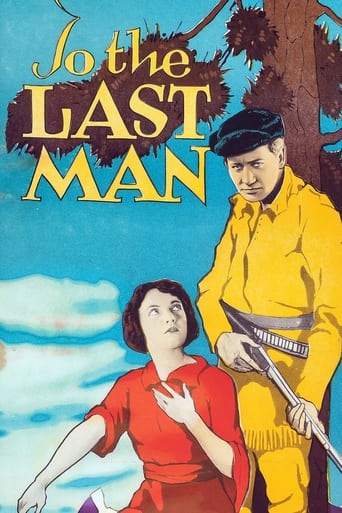
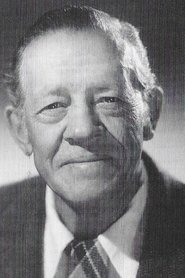
Tom London
Actor
Born: August 24, 1889 in Louisville, Kentucky, USA Died: December 5, 1963 Active: 1915-1963 Birth Name: Leonard Clapham
Films
4 films
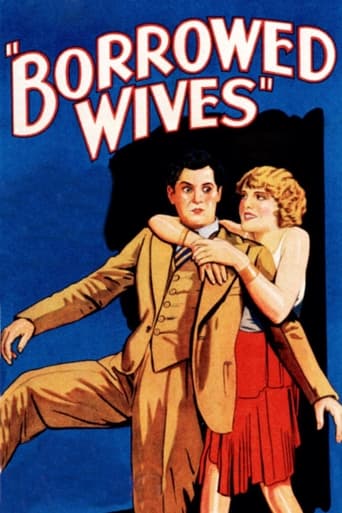
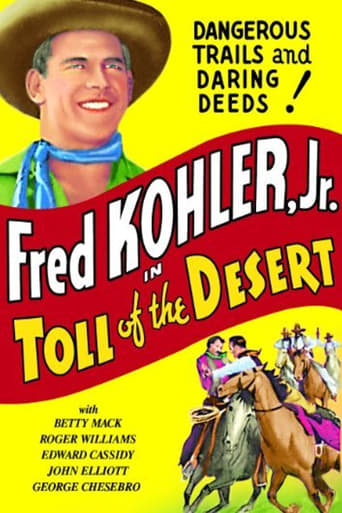
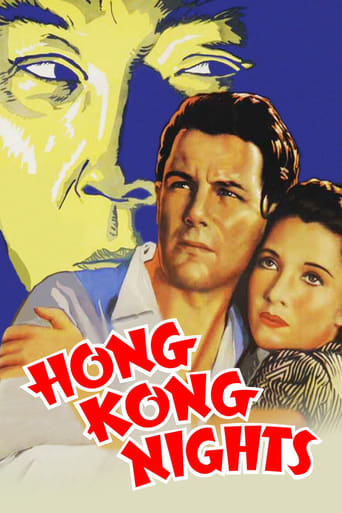
About Tom London
Tom London, born Leonard Clapham, was one of Hollywood's most prolific character actors, appearing in over 600 films during his nearly 40-year career. He began his film career in the silent era of the 1910s and successfully transitioned into sound films, becoming a familiar face in Westerns, serials, and adventure pictures. London specialized in playing villains, henchmen, and authority figures, bringing a distinctive presence to every role regardless of size. His rugged features and commanding voice made him particularly effective in Westerns, where he often portrayed menacing outlaws or stern lawmen. Throughout the 1920s and 1930s, he worked steadily at major studios including Universal, Mascot, and Republic Pictures, becoming a reliable supporting player in countless B-movies and serials. Even as his roles became smaller in later years, he continued working consistently until his health began to fail in the early 1960s. His remarkable longevity and versatility made him an integral part of Hollywood's studio system, contributing to the fabric of American cinema during its golden age.
The Craft
On Screen
London was known for his naturalistic yet commanding presence, often bringing gravitas to even the smallest roles. He had a distinctive deep voice that served him well in talkies, and his rugged features made him particularly convincing as villains or authority figures. His acting was straightforward and professional, never over-the-top, which made him a reliable choice for directors needing a convincing antagonist or supporting character.
Milestones
- Appeared in over 600 films during his career
- Successfully transitioned from silent films to talkies
- Became
- Worked consistently through four decades of Hollywood history
- Featured in numerous film serials during the 1930s and 1940s
Best Known For
Iconic Roles
Must-See Films
Accolades
Special Recognition
- Prolific actors in Hollywood history with over 600 film credits
Working Relationships
Worked Often With
Studios
Why They Matter
Impact on Culture
Tom London represents the unsung heroes of Hollywood's golden age - the reliable character actors who provided the essential foundation for countless films. While never a star, his consistent presence across hundreds of movies helped establish the visual language of American cinema, particularly the Western genre. His work in serials helped shape the Saturday matinee experience for generations of moviegoers, and his transition from silent to sound films exemplified the adaptability required for longevity in the rapidly changing film industry.
Lasting Legacy
London's legacy is that of ultimate reliability and professionalism. His record of over 600 film appearances stands as proof of the demands of the studio system and the importance of character actors in creating believable film worlds. Modern film historians and classic movie enthusiasts recognize him as an essential piece of Hollywood's golden age puzzle, a performer who may never have been a household name but whose contributions to cinema were immeasurable. His career serves as a masterclass in longevity and adaptability in the entertainment industry.
Who They Inspired
London influenced generations of character actors through his example of professionalism and consistency. His ability to transition between genres and mediums (silent to sound) provided a model for actors seeking long-term careers in Hollywood. Many Western character actors of subsequent decades followed the path London helped establish - finding steady work by becoming reliable supporting players rather than chasing stardom.
Off Screen
Tom London was married twice during his lifetime. He was known as a reliable and professional actor who rarely drew attention to himself off-screen, focusing instead on his craft and steady work. He lived modestly in North Hollywood during his later years, continuing to work as long as his health permitted. Despite his extensive filmography, he remained relatively unknown to the general public, though he was well-respected within the industry for his consistency and professionalism.
Education
Limited formal education, largely self-taught in acting through practical experience in silent films
Family
- Edith Roberts (1919-1925)
- Dorothy Dearing (1935-1963, his death)
Did You Know?
- Appeared in more films than any other actor in Hollywood history
- Changed his name from Leonard Clapham to Tom London early in his career
- Often worked multiple films simultaneously during the studio era
- Was a favorite of directors who needed a reliable villain or authority figure
- Never received top billing but was consistently employed for over 40 years
- Appeared in films starring virtually every major Western star of his era
- His deep, distinctive voice made him particularly valuable in talkies
- Worked in serials, feature films, and even early television
- Was known for his professionalism and reliability on set
- Often played characters named 'Tom' in his films
In Their Own Words
I'm not a star, but I've worked with more stars than most stars have worked with.
In this business, it's better to be working than to be famous.
Every picture needs good villains, and I've been happy to provide them.
Frequently Asked Questions
Who was Tom London?
Screen credits include over 600 films from the silent era through the early 1960s. Born Leonard Clapham, he specialized in playing villains and supporting roles, particularly in Westerns and film serials, becoming one of Hollywood's most recognizable and reliable supporting players.
What films is Tom London best known for?
Titles linked here include The Great Train Robbery (1930), The Phantom Empire (1935).
When was Tom London born and when did he die?
Born August 24, 1889; died December 5, 1963.
What awards did Tom London win?
Despite his extensive filmography, Tom London never received major awards or Academy Award nominations. His recognition came in the form of steady employment and respect within the industry, where he was valued as one of Hollywood's most reliable and prolific character actors.
What was Tom London's acting style?
London was known for his naturalistic, straightforward acting style that brought authenticity to his roles as villains and authority figures. He had a commanding presence and distinctive deep voice that made him particularly effective in Westerns, and he approached every role with professionalism regardless of its size.
How many films did Tom London appear in?
Tom London appeared in over 600 films during his career, making him. His filmography spans from the silent era of the 1910s through the early 1960s, including feature films, shorts, and serials across multiple genres.
Did Tom London work in both silent and sound films?
Yes, Tom London successfully transitioned from silent films to talkies, beginning his career in the 1910s and continuing through the sound era. His distinctive voice and professional adaptability made him valuable in both mediums, contributing to his remarkable longevity in the industry.