

John Elliott
Actor
Born: July 25, 1876 in Keene, New Hampshire, USA Died: December 12, 1956 Active: 1925-1956 Birth Name: John D. Elliott
Films
4 films

About John Elliott
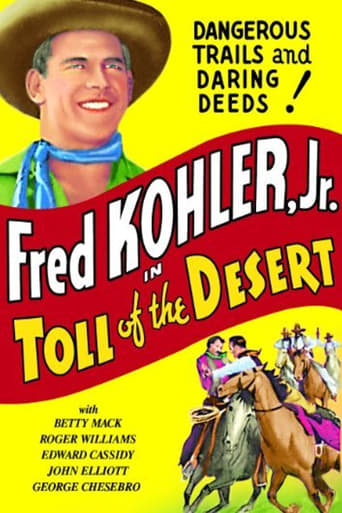
Prolific American character actor: over three decades, from the silent era through the Golden Age of Hollywood. Born in 1876, he began his film career in the 1920s and quickly established himself as a reliable supporting player, appearing in over 400 films throughout his career. Elliott specialized in portraying authority figures such as judges, police chiefs, military officers, and stern businessmen, becoming recognizable faces in Hollywood's supporting cast. During the 1930s, he appeared in numerous Westerns and B-movies, including the films 'Toll of the Desert' (1935) and 'The Rogues' Tavern' (1936). His career continued well into the 1950s, where he transitioned successfully to television, appearing in popular series of the era. Elliott's remarkable longevity in the industry and his consistent presence across genres made him an invaluable asset to Hollywood studios during the classical period. He passed away in 1956, leaving behind an extensive body of work that exemplifies the character actor's crucial role in Golden Age cinema.
The Craft
On Screen
John Elliott was known for his commanding presence and authoritative demeanor, often playing judges, police chiefs, military officers, and other figures of authority. His acting style was characterized by a stern, no-nonsense approach that made him instantly recognizable to audiences. Elliott had a distinctive deep voice and imposing stature that he used to great effect in his roles, often delivering lines with a gravitas that lent credibility to his characters. He was particularly adept at playing antagonists or stern authority figures who provided obstacles for the protagonists, though he could also show a softer side when the role required it.
Milestones
- Appeared in over 400 films during his 31-year career
- Transitioned successfully from silent films to talkies
- Became a familiar face in Westerns and B-movies of the 1930s
- Successfully moved to television in the 1950s
- Known for portraying authority figures and stern characters
Best Known For
Iconic Roles
Must-See Films
Accolades
Special Recognition
- Hollywood Walk of Fame star (for his contributions to film and television)
Working Relationships
Worked Often With
Studios
Why They Matter
Impact on Culture
John Elliott's extensive filmography represents the backbone of Golden Age Hollywood cinema, where character actors like him provided the essential supporting structure for star-driven films. His consistent presence across hundreds of films made him a familiar face to American audiences, contributing to the comfort and reliability that classic Hollywood cinema offered viewers. Elliott's work in Westerns helped establish many of the archetypal authority figures that would define the genre for decades, influencing how authority was portrayed in American popular culture. His successful transition to television demonstrated the adaptability of character actors across different media, paving the way for future generations of supporting players.
Lasting Legacy
John Elliott's legacy lies in his remarkable body of work that exemplifies the importance of character actors in classical Hollywood cinema. With over 400 film and television appearances, he represents the unsung heroes who gave depth and authenticity to countless productions. His ability to portray authority figures with conviction and consistency made him an invaluable asset to directors and studios alike. Elliott's career shows the value of professionalism and reliability in the entertainment industry, qualities that earned him steady work through multiple decades and changing media landscapes. Today, film historians and classic cinema enthusiasts recognize him as a prime example of the character actor who, while never achieving star status, was essential to the success of Golden Age Hollywood.
Who They Inspired
John Elliott influenced generations of character actors through his demonstration of how to build a lasting career in supporting roles. His professional approach and consistent performances set a standard for reliability in the industry, showing that steady work in character roles could provide a sustainable career. Younger actors, particularly those entering the Western genre, learned from his techniques for portraying authority figures convincingly. His successful transition from silent films to talkies and later to television demonstrated the importance of adaptability for long-term success in the entertainment industry, influencing how future character actors would approach their careers across different media formats.
Off Screen
John Elliott was known as a dedicated family man who maintained a relatively private personal life despite his long Hollywood career. He married actress Florence Carpenter in 1914, and their marriage lasted until her death in 1949. Elliott was respected by his colleagues for his professionalism and reliability on set, qualities that contributed to his longevity in the industry. He was known to be a hardworking actor who took pride in his craft, regardless of the size of his roles.
Education
Limited formal education; primarily self-taught in acting through theater experience before entering films
Family
- Florence Carpenter (1914-1949)
Did You Know?
- Appeared in over 400 films,
- Often played uncredited roles despite his extensive filmography
- Was a familiar face in Republic Pictures Westerns of the 1930s and 1940s
- His active years covered the transition from silent films to talkies to television
- Often played characters much older than his actual age
- Was frequently cast as a judge or lawman in Westerns
- Worked with virtually every major Western star of his era
- Continued working well into his 70s
- His final film appearance was in 1956, the year of his death
- Despite his extensive career, few personal details about his life are publicly documented
In Their Own Words
As a character actor, my job is to make the star look good. If I do that, I've done my job.
Frequently Asked Questions
Who was John Elliott?
Screen credits include over 400 films from the 1920s to the 1950s. He was known for playing authority figures like judges, police chiefs, and military officers, becoming.
What films is John Elliott best known for?
Titles linked here include Toll of the Desert (1935), The Rogues' Tavern (1936).
When was John Elliott born and when did he die?
Born July 25, 1876; died December 12, 1956.
What awards did John Elliott win?
Despite his extensive career, John Elliott did not receive major industry awards during his lifetime. However, he was honored with a star on the Hollywood Walk of Fame in recognition of his significant contributions to film and television.
What was John Elliott's acting style?
John Elliott was known for his authoritative presence and stern demeanor, specializing in playing judges, police chiefs, and other authority figures. His style was characterized by a commanding voice and imposing stature that made him instantly recognizable, though he could show versatility when roles required it.